
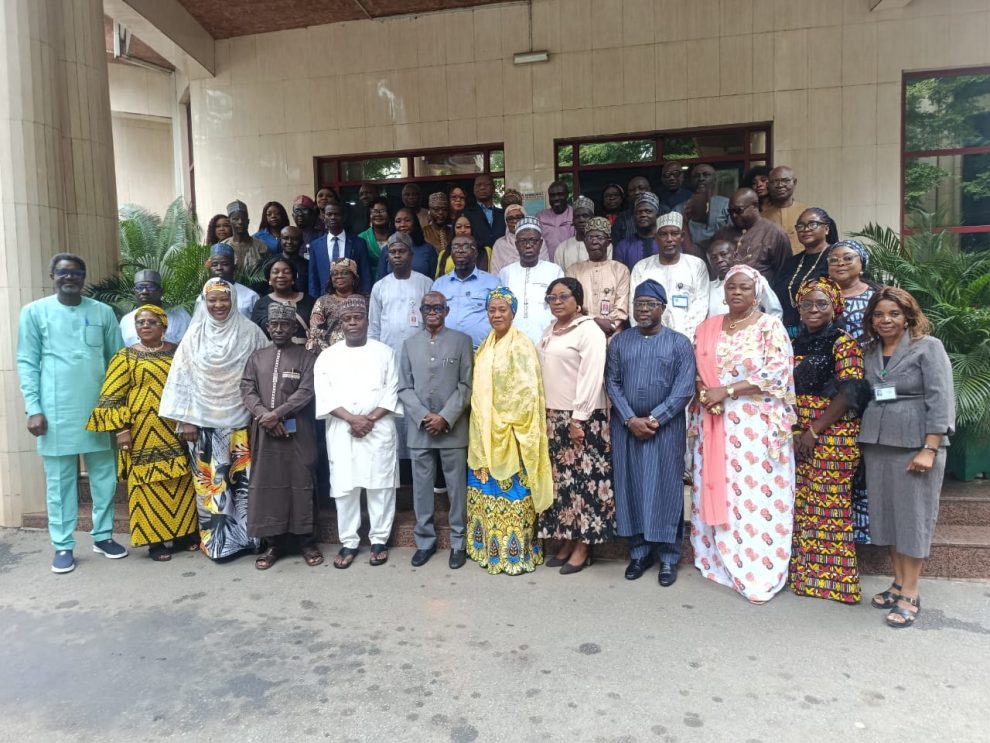

The Independent National Electoral Commission has projected that Nigeria’s voter register will cross the 100 million mark ahead of the 2027 general elections, solidifying the country’s position as the largest electoral democracy on the African continent. The projection was announced on Tuesday in Abuja by Mohammed Haruna, INEC National Commissioner and Chairman of the Information and Voter Education Committee, during a joint implementation meeting organized by the Departments of Voter Education and Publicity alongside Gender and Inclusivity. The meeting was convened to establish an actionable communication, public engagement, and inclusivity strategy aimed at deepening public trust, combating misinformation, and expanding democratic access for marginalized groups ahead of the next general election cycle.
Mr. Haruna explained that following the finalization of the recently concluded nationwide Continuous Voter Registration exercise, the national voter database is expected to expand from its previous figure of over 93 million to well over 100 million registered citizens. Addressing state heads of publicity and inclusivity across the 36 states and the Federal Capital Territory, the National Commissioner stressed that managing information for an electorate of this scale demands heightened professional rigour, thorough legal literacy, and civil public engagement. He urged information officers to master relevant statutory frameworks, including the Constitution, the Electoral Act, INEC Guidelines, the Freedom of Information Act, and the Data Protection Act, noting that effective civic education remains the foundation for peaceful, credible, and inclusive polls.
Echoing these priorities, the Chief Press Secretary to the INEC Chairman, Mr. Adedayo Oketola, emphasized that while operational logistics and technological tools like the Bimodal Voter Accreditation System and the INEC Result Viewing Portal form the operational backbone of the Commission, the communication and inclusivity departments represent its human voice. Oketola warned that the buildup to the 2027 polls will face significant threats from coordinated misinformation designed to erode public confidence and drive voter apathy. He called for a transition from traditional administrative announcements to continuous, aggressive civic education that demystifies electoral technology, safeguards the open secret ballot system, and guarantees physical accessibility, specialized voting materials, and prioritized queues for women, youths, elderly voters, and persons living with disabilities.
In her opening remarks, the Director of Voter Education and Publicity, Victoria Eta-Messi, noted that the conclusion of recent off-cycle governorship elections shifts the Commission’s primary focus directly to the 2027 general elections. She stated that the joint strategy session provides a unified operational roadmap for state departments to execute approved Commission activities within strict timelines. Mrs. Eta-Messi reaffirmed that grassroots voter enlightenment relies heavily on the technical capacity and proactive leadership of state-level officers, adding that the newly developed communication framework will ensure standardized, continuous, and transparent public messaging across every electoral district in the federation.




Add Comment