
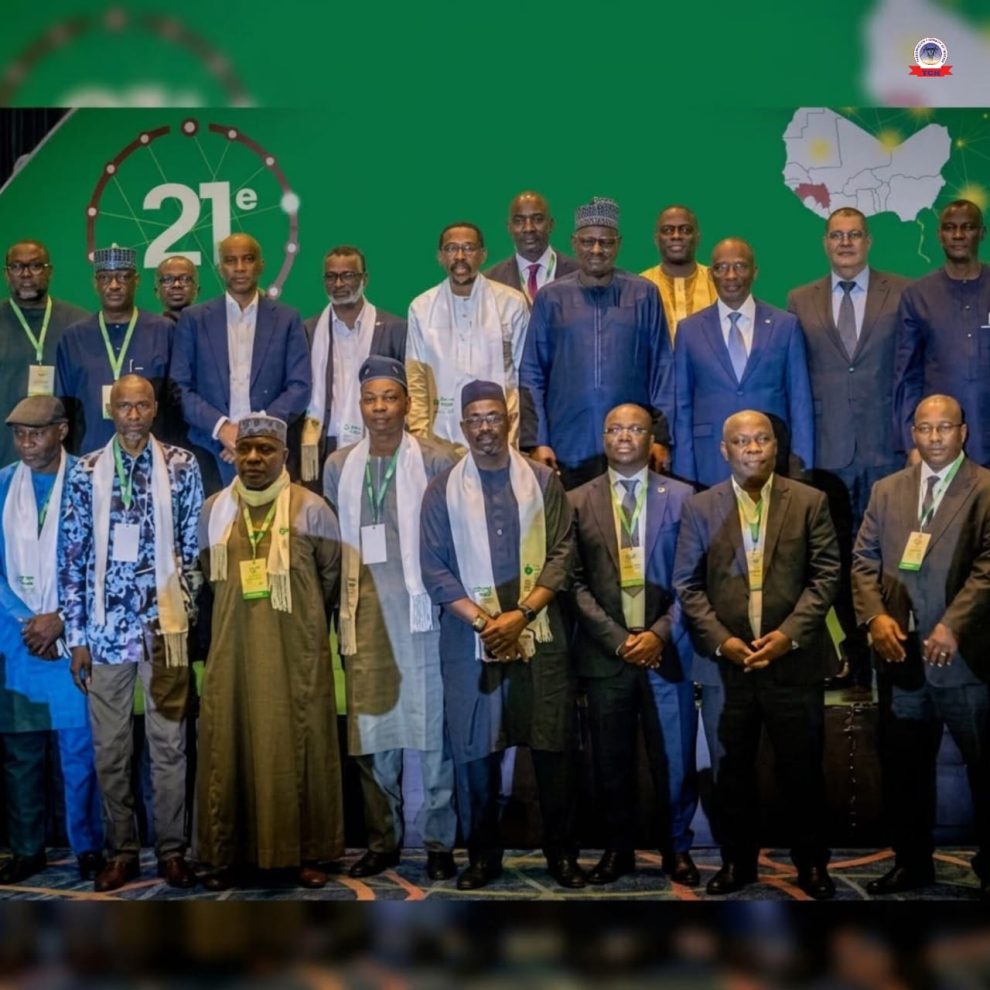

West Africa’s regional power systems body has reported major progress in technical training and clean energy funding as the region pushes to integrate its national electricity grids.
Speaking at the 7th General Assembly of the CIGRE West Africa National Committee in Guinea’s capital, Conakry, Chairman Sule Ahmed Abdulaziz said the achievements mark a critical step towards building a unified, competitive regional electricity market. However, he warned that West Africa’s power infrastructure remains weakly interconnected with limited reserve capacity, urging member states to prioritise technical training and secure long-term funding for regional grid development.
Clean energy training and regional milestones
CIGRE – the International Council on Large Electric Systems – is a global network of more than 15,000 power industry professionals across over 90 countries. Its West African branch brings together regional utilities and experts to share technical expertise. Reviewing progress since the committee’s previous meeting in Togo in January 2026, Mr. Abdulaziz highlighted two major milestones:Women in solar: A joint initiative with Ghana’s VRA Academy and Nigeria’s National Power Training Institute (NAPTIN) secured an €88,700 ($96,000) grant to train young women in solar energy and mini-grid technologies.
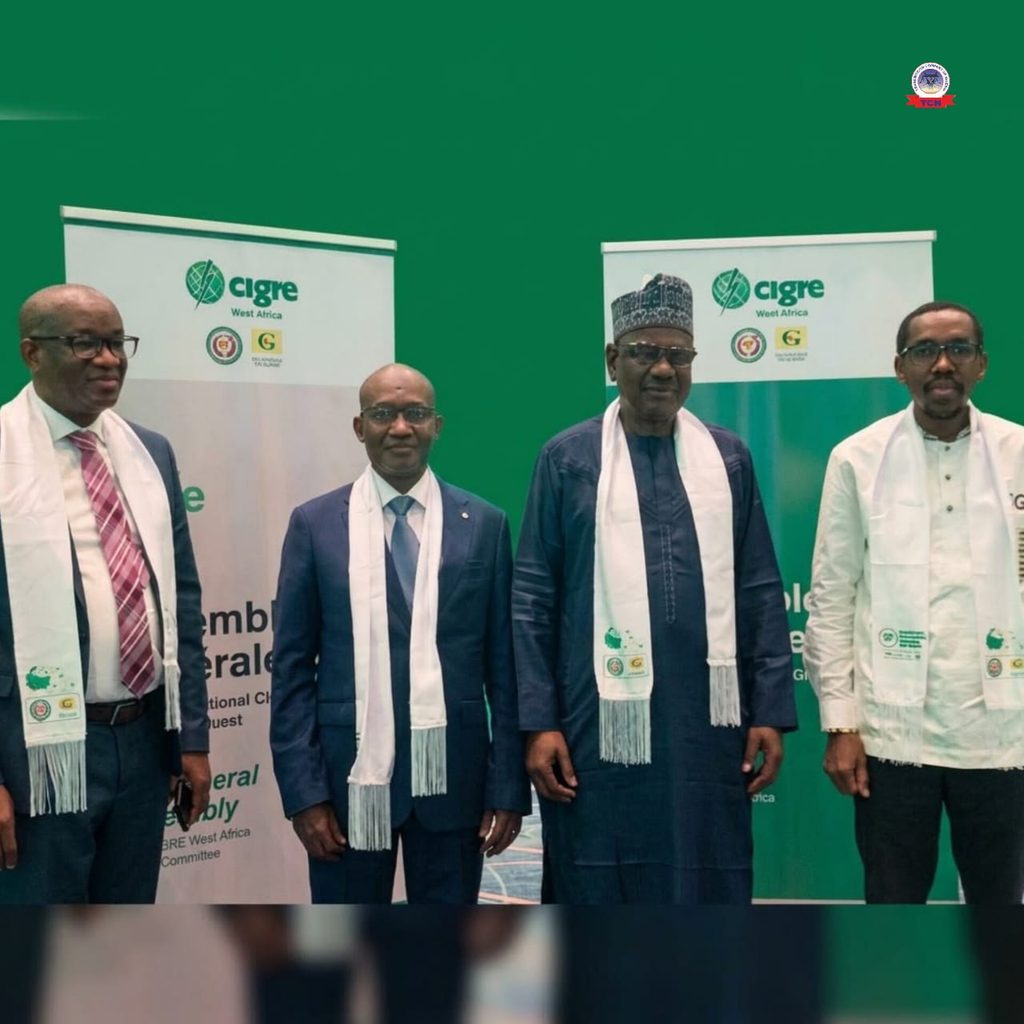
Technical summits: The successful hosting of regional training sessions and study committee meetings in Dakar, Senegal, in March 2026.”Capacity building must be regarded not merely as a technical requirement, but as a strategic investment in system security, improved utility performance and the overall success of the Regional Electricity Market,” Mr. Abdulaziz told delegates.
Push for a unified grid
The developments come as West Africa prepares to enter the second phase of its Regional Electricity Market. The ambitious project aims to link individual national power grids into a single, synchronised network operating at a common frequency. To keep the committee’s programmes running, Mr. Abdulaziz urged member utilities to implement a previously agreed pooled funding mechanism and meet a minimum annual operating budget of €213,940 ($231,000).
Earlier, the committee’s Secretary General, Abdoulaye Dia, told delegates that strengthening regional technical collaboration was essential to overcoming West Africa’s energy challenges.
Founded in 2019 by utilities affiliated with the West African Power Pool (WAPP), the West Africa National Committee gives regional engineers voting rights and direct access to global power-system research.



Add Comment