
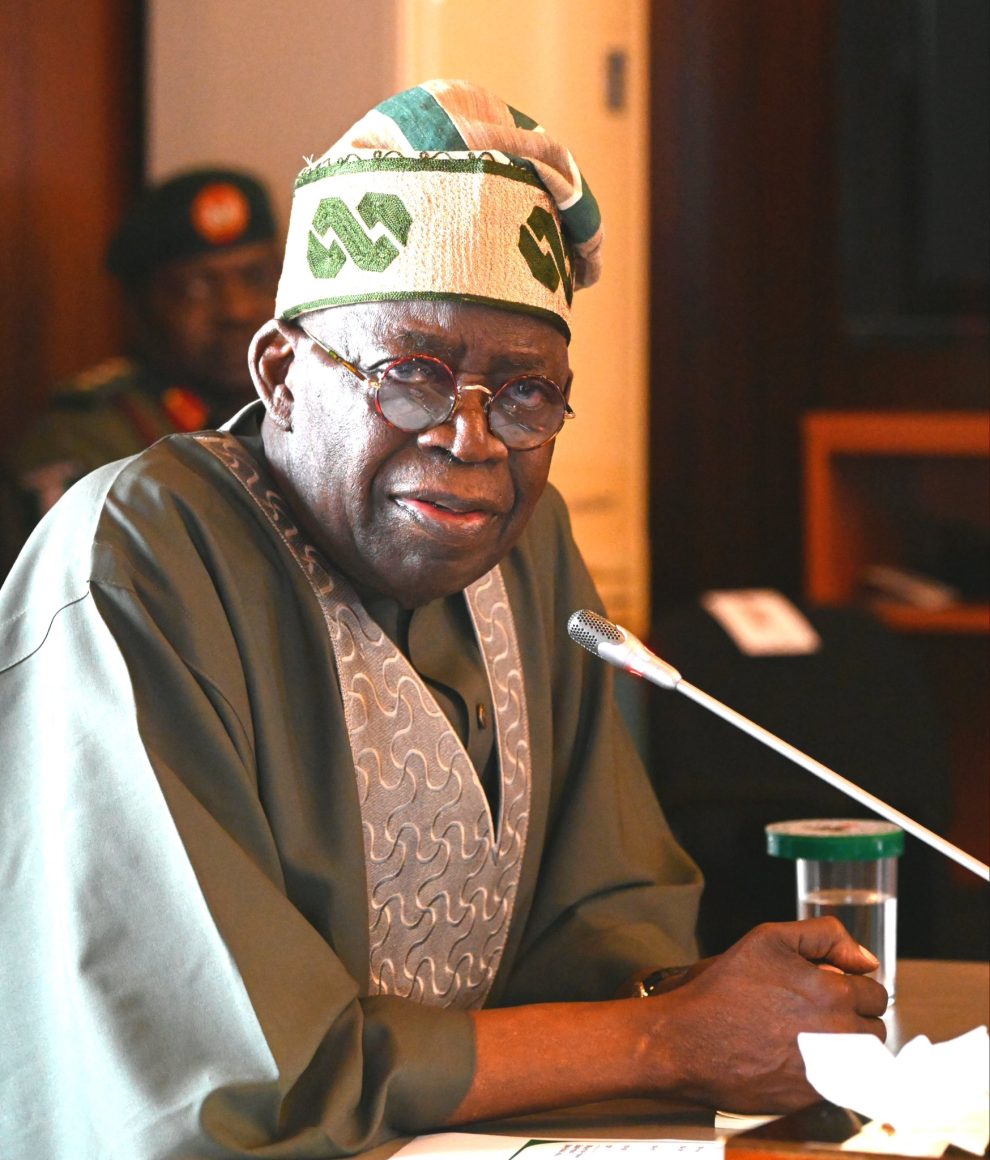

The Independent Media and Policy Initiative (IMPI) has released a comprehensive economic evaluation identifying the Nigerian public as the primary shock absorbers and true executors of President Bola Tinubu’s ongoing structural reforms.
In the policy statement issued in August 2026 and signed by IMPI Chairman Omoniyi Akinsiju, the policy group detailed how the administration’s market-driven policy shift is steering Nigeria away from decades of consumption-heavy, rent-seeking practices toward a self-sustaining, production-based economy.
According to the analysis, the economic transition follows a classic “J-curve” trajectory. Following the initial shock phase of fuel subsidy removal and exchange rate unification during 2023–2024, macroeconomic indicators reflect stabilization. Headline inflation moderated to 15.91% in June 2026, real GDP growth reached 3.89% in Q1 2026, and gross foreign reserves expanded to approximately $52 billion.
IMPI emphasized that these gains would have faltered without the endurance and patriotism of Nigerians, who absorbed initial price pressures, demanded public accountability for saved revenues, and spurred domestic enterprise by prioritizing local production and import substitution.
The report also pointed to strong structural milestones, including a record ₦21.6 trillion in revenue collected by the Nigerian Revenue Service (NRS) in the first half of 2026, increased subnational industrialization through power sector reforms, and surging international investor confidence—marked by $23.22 billion in foreign capital inflows in 2025 and top-ranking growth on the Nigerian Stock Exchange (NGX).
Reaffirming its support for market-driven governance, IMPI concluded that the collective sacrifices made during this transitional era are laying an irreversible foundation for Nigeria’s long-term economic independence and industrial expansion.




Add Comment