
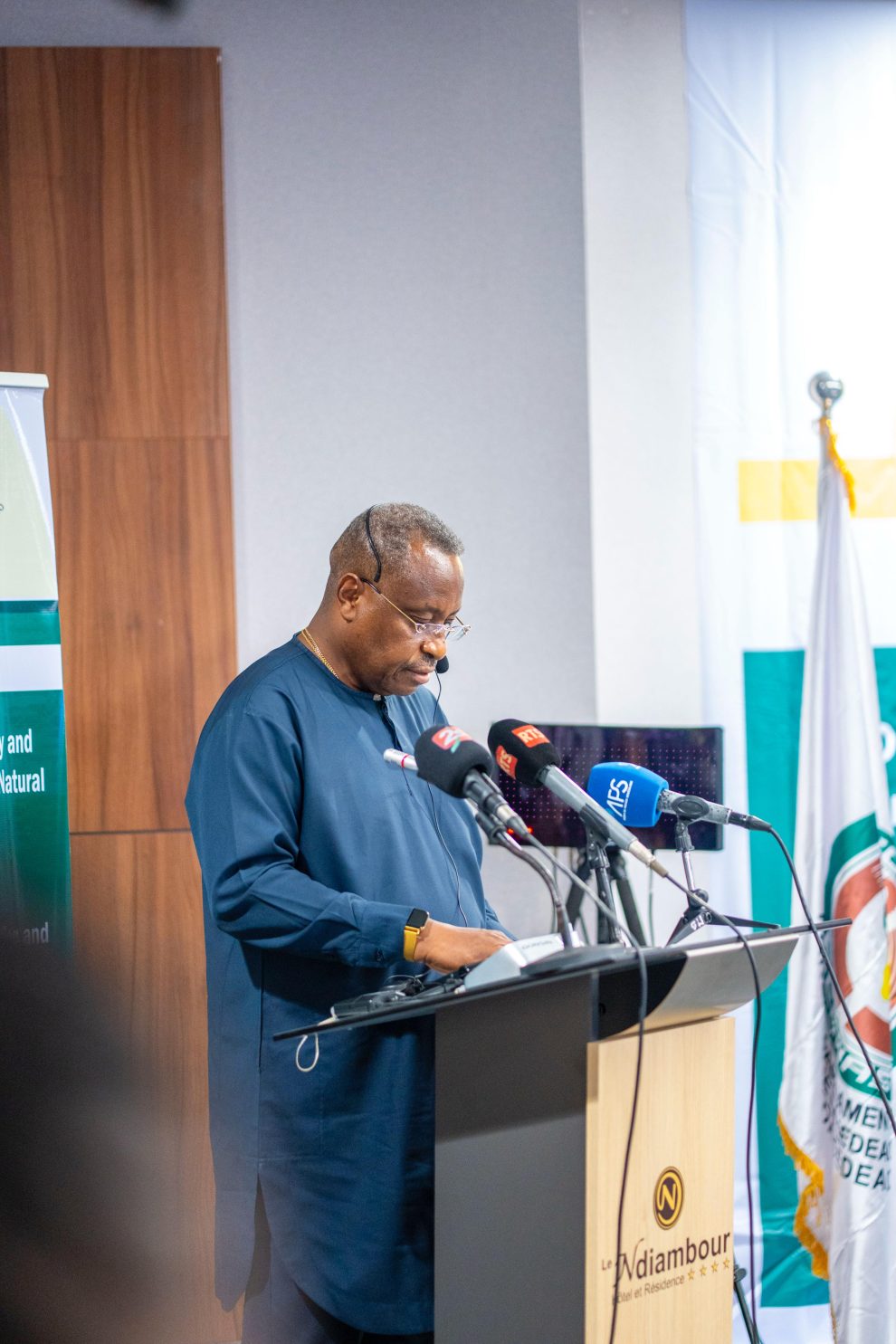

West Africa has set its sights on a major green transition, targeting a 48% renewable energy share by 2030 to tackle widespread power outages and drive economic growth.
The Economic Community of West African States (ECOWAS) announced the ambitious target at a parliamentary meeting in Dakar, Senegal, emphasizing the need for reliable, affordable, and sustainable electricity across the bloc. Currently, the region’s power sector faces severe bottlenecks, with electricity losses stretching between 35% and 40% due to aging and obsolete infrastructure.
‘Illuminated with hope’
Speaking on behalf of the ECOWAS Commission, Williams Baidoe, the Acting Director of Energy and Mines, argued that power access is about far more than just keeping the lights on.”We continuously imagine the lives of families being illuminated with hope, students able to study after sunset, health centres able to save more lives, and citizens finding new economic opportunities in their own communities,” he told lawmakers. The regional body is leaning into a gender-responsive policy framework, combining a newly updated climate strategy with aggressive renewable energy and energy efficiency targets. The 48% green energy goal is set to rely heavily on a mix of large-scale hydropower and localized rural electrification projects.
The Infrastructure Challenge
West Africa’s energy landscape has long been hampered by fragmentation and underfunding. To combat this, ECOWAS is attempting to pool resources across several regional bodies, including: The West African Power Pool (WAPP) to integrate national grids, ECREEE, a dedicated center for renewable energy and efficiency and ERERA, the regional electricity regulatory authority. Officials also issued a blunt warning to the public, urging citizens to protect existing energy infrastructure and clamp down on illegal connections, which continue to drain utility revenues and destabilize the grid. While funding the transition remains a monumental task, the Commission stated it is actively collaborating with international financial partners to mobilize resources and build out clean energy markets before the 2030 deadline.


Add Comment