
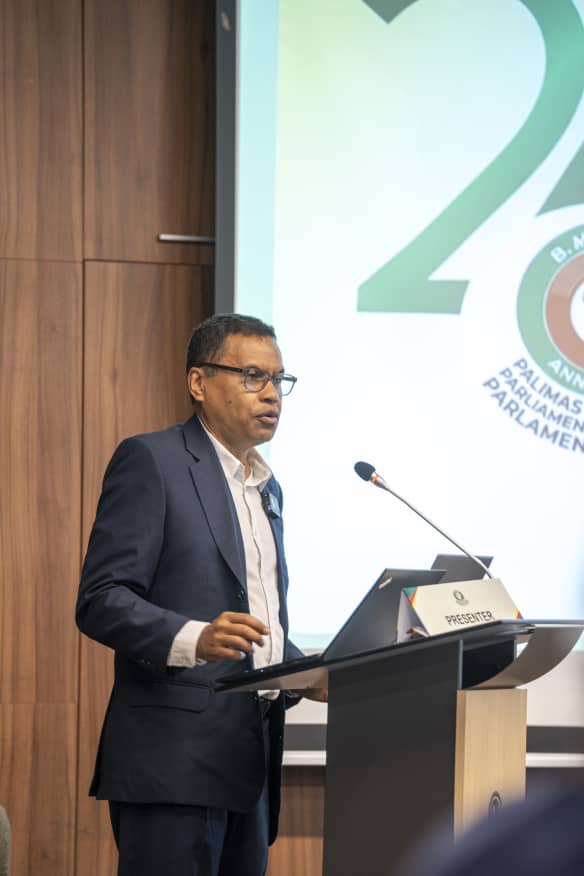

Electricity in rural West Africa must be treated as an economic engine rather than a mere household amenity, experts have warned regional lawmakers.
Speaking at an ECOWAS parliamentary summit in Dakar, Senegal, development specialists argued that bringing electricity to isolated communities is the single most effective way to crush extreme poverty, modernise farming, and halt rural brain drain. Currently, the lack of reliable power across the bloc remains one of the starkest indicators of poverty, crippling local clinics, limiting schools, and trapping farmers in subsistence cycles.
More than just lighting
Hary Andriantavy, representing the African Association for Rural Electrification (CLUB-ER), told MPs that the traditional view of rural electrification is far too narrow.”Energy access has impacts across four key areas: economic development, basic social services, quality of life, and environmental sustainability,” Mr Andriantavy said. He pointed to international initiatives like Mission 300—which aims to connect 300 million Africans to electricity by 2030—to illustrate that power is the backbone of modern society, critical for everything from preserving life-saving vaccines to driving digital inclusion.
Real-world success
The summit heard how green-powered initiatives are already changing lives in the region:
Mali: Solar-powered “Electrified Activity Zones” have boosted local business revenues and allowed farmers to process crops locally.
Benin & Togo: Community mini-grid projects have spurred job creation, improved financial inclusion, and helped retain young talent in rural villages.
Experts noted that when small businesses—such as grain mills and welding shops—gain access to reliable power, women are disproportionately empowered, and local economies quickly stabilise.
A call for tax breaks
However, turning these success stories into regional norms requires political will. Parliamentarians were urged to use their “power of the purse” to pass aggressive reforms.
The summit concluded with calls for West African governments to slash value-added tax (VAT) on solar and hydroelectric equipment, set up dedicated national renewable energy funds, and slash the red tape that currently holds back decentralized mini-grids.




Add Comment