
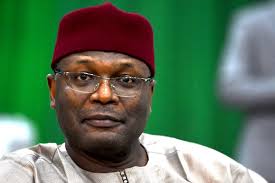

Nigeria’s new ambassador to Qatar, Professor Mahmood Yakubu, has vowed to transform the energy ties between the two nations, declaring that “energy consolidation” and “national security” will be the pillars of his mission to the Gulf state.
Speaking at a high-level diplomatic induction in Abuja on Monday, the former electoral chief emphasized that Nigeria and Qatar—two of the world’s most significant holders of natural gas—must synchronize their transition to Liquefied Natural Gas (LNG) to drive mutual economic growth.
Professor Yakubu’s appointment comes at a pivotal moment, as the geopolitical importance of Doha reaches new heights amid shifting regional security dynamics.
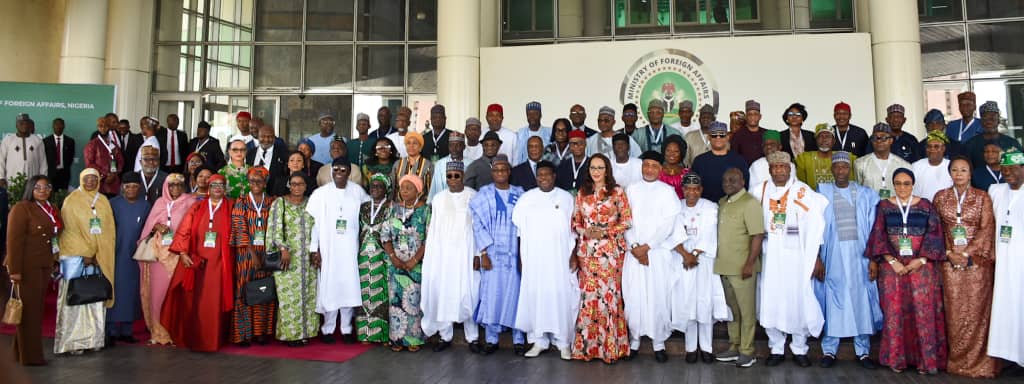
A Partnership of ‘Energy Giants’
The Ambassador-designate framed his mission as a move to turn historical agreements into active investment, particularly in the infrastructure required to harness Nigeria’s vast, underutilized gas reserves.
Strategic Priorities for the Doha Mission:
- The LNG Pivot: Consolidating existing energy pacts to mirror Qatar’s world-leading LNG export model.
- The Professional Diaspora: Protecting the interests of the 12,000 Nigerians in Qatar—a group Yakubu described as a “high-caliber” community of doctors, engineers, and professors.
- Conflict Mediation: Utilizing Qatar’s reputation as a “global mediator” to assist Nigeria in its ongoing battle against domestic insecurity.
Analysis: Why Qatar Matters Now
Professor Yakubu is entering one of the world’s most delicate diplomatic arenas. Qatar is no longer just a gas station for the West; it is a critical “back-channel” for global peace. For Nigeria, the move to send a high-profile figure like the former INEC Chairman to Doha signals a desire for a “sophisticated” partnership that goes beyond oil.
Professor Yakubu’s focus on “Consular Support for Professionals” is a strategic shift; by catering to the 12,000-strong elite workforce in Doha, Nigeria is looking to secure the intellectual and financial “remittance” that these professionals provide. However, the true test of his mission will be whether he can leverage Qatar’s mediation expertise—often used in the Middle East and Central Africa—to bring fresh perspectives to Nigeria’s internal security crisis.
Context: The Shadow of War and Qatar’s Balancing Act
Professor Yakubu’s resumption in Doha occurs against the backdrop of the 2025-2026 Conflict in the Middle East, specifically the heightened tensions surrounding Iran.
1. The Iranian Factor
As of early 2026, the region has been on edge following a series of direct and indirect military exchanges between Iran and various regional actors. Qatar finds itself in an incredibly complex position: it shares the massive South Pars/North Dome gas field with Iran—the largest in the world—making economic cooperation with Tehran a geographical necessity.
2. Qatar as the ‘Invisible Bridge’
While the conflict has threatened to disrupt maritime traffic in the Strait of Hormuz, Qatar has maintained its role as the primary mediator between Iran and the West. Doha has frequently hosted clandestine “proximity talks” to prevent a full-scale regional war that would paralyze global energy markets.
3. Impact on Nigeria’s Mission
For Nigeria, a “Gas-First” diplomacy with Qatar is a double-edged sword. While instability in the Persian Gulf can drive global gas prices up (benefiting Nigeria’s revenue), it also threatens the technical partnerships Nigeria needs from Qatari state firms. Professor Yakubu’s mission will likely involve ensuring that Nigerian energy interests remain insulated from any potential spillover of the Iran-related conflict while simultaneously tapping into the Qatari “peace-making” machinery that is currently working overtime to de-escalate the Gulf.


Add Comment