
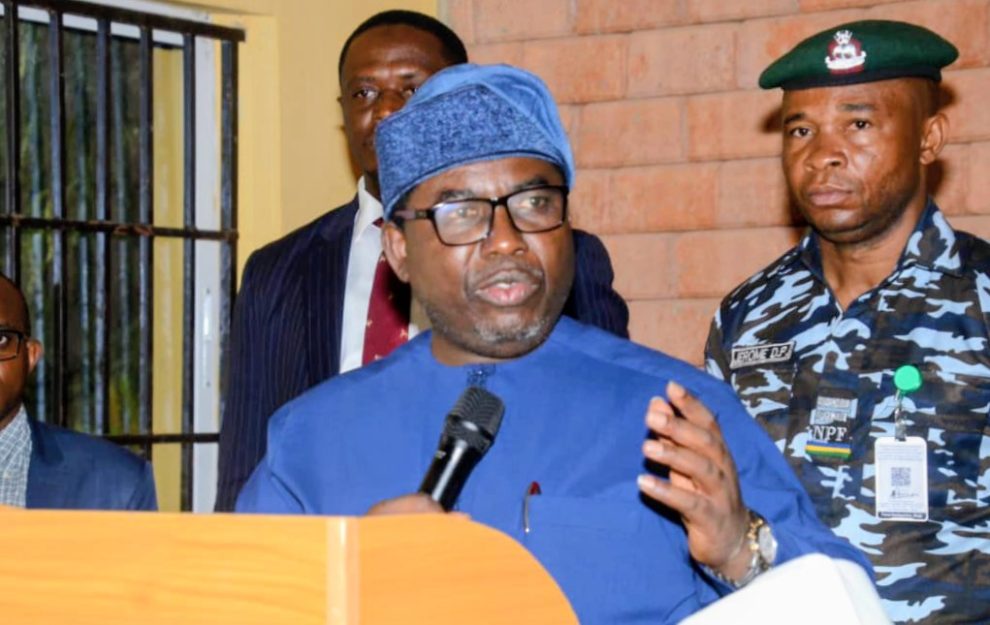

ADO EKITI, Nigeria — Nigeria’s upcoming regional elections will serve as a crucial “litmus test” for the country’s next general election in 2027, the head of the nation’s electoral body has warned.
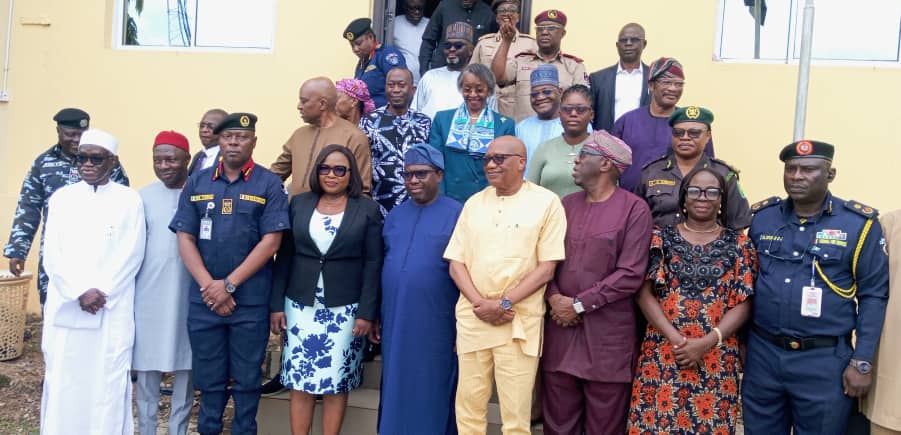
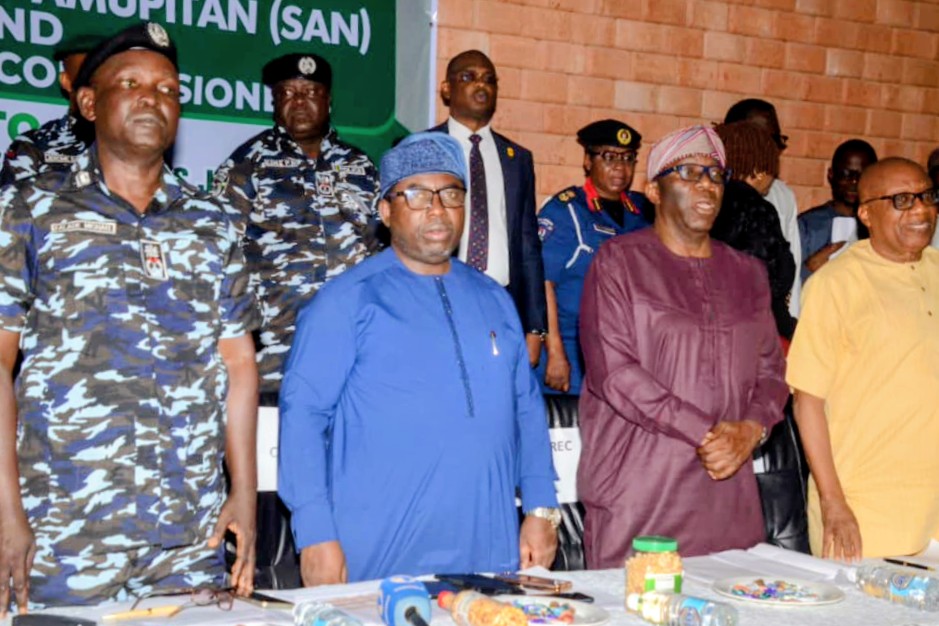
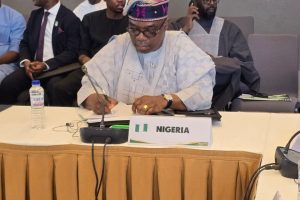
Prof Joash Amupitan, Chairman of the Independent National Electoral Commission (INEC), said the governorship polls in the western states of Ekiti and Osun would provide a mirror for the country’s democratic trajectory. Speaking at a high-level election security meeting in Ado Ekiti, Prof. Amupitan warned that the spread of fake news and misinformation designed to spark panic was a major threat to the votes.
He urged security forces to remain vigilant against individuals attempting to frustrate the democratic process.”We must all make conscious efforts to ensure that this country works,” Prof. Amupitan told security chiefs, promising that the commission would deliver a free, fair, and transparent election.
High-Tech Voting and Security Risks
Nigeria’s electoral commission has faced intense scrutiny in recent years over logistical delays and technological hitches during major polls. To address these concerns, Prof Amupitan announced that tech officials are already configuring the Bimodal Voter Accreditation System (BVAS)—the facial and fingerprint recognition technology designed to prevent identity fraud at the ballot box. However, major logistical and security challenges remain for the West African nation:
Difficult Terrain: Election officials must navigate the uniquely hilly geography of Ekiti State to deliver ballot materials.
Volatile Hotspots: Officials have mapped out several high-risk areas prone to political thuggery, ballot-box snatching, and kidnapping.
Vulnerable Polling Stations: Nearly 470 polling units have been identified as being within 500 metres of known security risk zones.
To mitigate these threats, the electoral body says it has secured transport agreements with national logistics unions and is drawing on lessons from the relatively smooth governorship election in Anambra State in November 2025.
Crackdown on ‘Vote Buying’
The electoral chief also issued a stern warning against voter inducement, a persistent issue in Nigerian politics where voters are offered cash or food in exchange for their ballots.”Any attempt to disrupt the level playing field through vote buying before or during the election must be aggressively resisted and neutralised,” Prof. Amupitan said. He added that INEC is working directly with Nigeria’s anti-graft agencies, including the Economic and Financial Crimes Commission (EFCC), to arrest offenders at polling stations.
The Battle Against Fake News
Security officials share the commission’s concerns regarding the information war surrounding the election. Ekiti State Police Commissioner, Falade Micheal, confirmed that while police are guarding INEC offices and mapping out border flashpoints, the most unpredictable threat remains digital. Misinformation and fake news, he warned, are actively creating tension and fear among the electorate. This sentiment was echoed by Ekiti’s Resident Electoral Commissioner, Bunmi Omoseyindemi, who warned that disinformation was fueling voter apathy and damaging public trust in the democratic process. Local authorities are now calling on national orientation agencies to launch mass public sensitisation campaigns to counter fake news before voters head to the polls.

Add Comment