
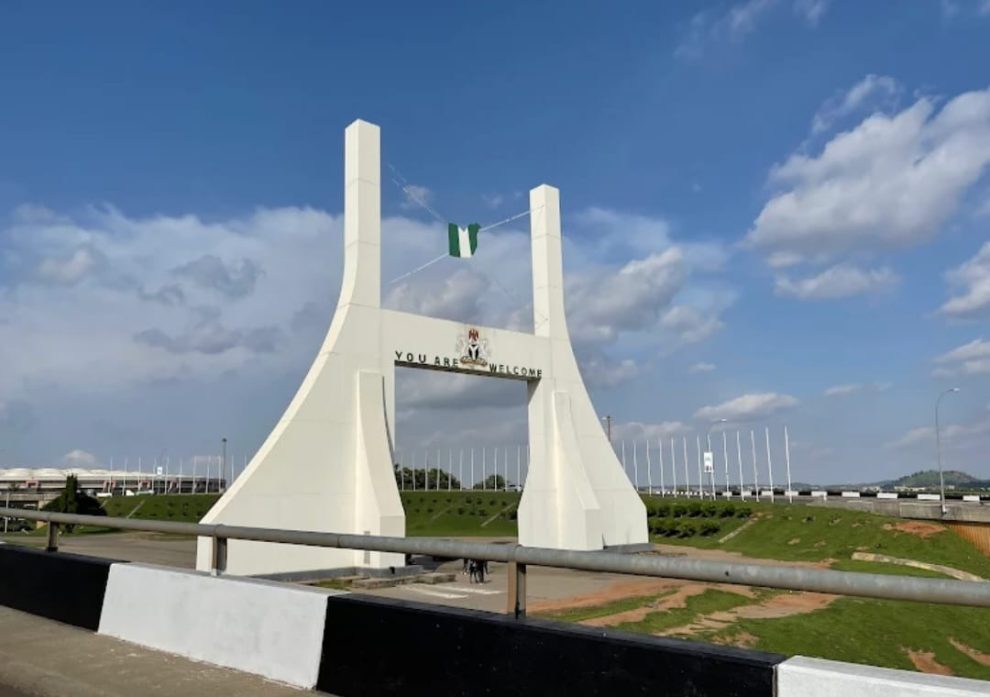

The professional body for Nigeria’s urban planners has sounded the alarm over what it calls a “distortion” of the capital city’s original design, warning that the loss of green spaces is making Abuja less livable.
The Nigerian Institute of Town Planners (NITP) expressed deep concern on Monday regarding the “indiscriminate conversion” of land reserved for parks, forests, and infrastructure into commercial and residential developments.
The Abuja Master Plan, drafted in the 1970s, was designed to create a functional and resilient administrative capital. Still, experts say short-term interests and incompatible land uses are undermining the vision.
A ‘Master Plan’ Under Pressure
The FCT Chairperson of the NITP, Queen Phillips, stated that the ongoing changes to land use are not just an aesthetic issue but a serious threat to the city’s environmental balance.
Key Concerns Raised by the Institute:
- Loss of Green Belts: Designated “green areas” intended to act as the city’s lungs are being reallocated for building projects.
- Infrastructure Strain: Land originally set aside for future roads and utilities is being developed, potentially leading to long-term logistical chaos.
- Sustainability Risk: The institute warns that ignoring the plan undermines Abuja’s ability to remain a “well-structured and functional” capital.

Analysis: The Cost of Urban Encroachment
Abuja was once hailed as one of the few “planned” cities in Africa, designed to avoid the legendary congestion of Lagos. However, as the population explodes, the pressure to find buildable land has led to a quiet war between developers and town planners.
The “Master Plan” has long been a sacred document in the FCT Administration, but planners argue it is being treated more like a suggestion than a law. By taking this complaint to their national body, the NITP is moving beyond a local grievance to a national debate on how Nigeria’s elite cities should grow. If the “green lungs” of the city are paved over, Abuja risks becoming a concrete heat island, losing the very environmental resilience that made it an attractive capital in the first place.
A Call for Federal Intervention
The NITP has now formally lodged a complaint with its national leadership, calling for high-level engagement with the FCT Administration.
“The objective is to prevail on the authorities to reconsider these actions,” Ms. Phillips said. She stressed that strict adherence to the original framework is the only way to “safeguard the long-term sustainability of the city.”
The institute has vowed to work with government stakeholders to protect the integrity of the urban development framework, as the capital faces one of its most challenging periods of expansion.




Add Comment