

Nigeria’s electoral body has launched a high-stakes campaign to combat digital misinformation and increase voter turnout ahead of a key governorship election in the south-west of the country.
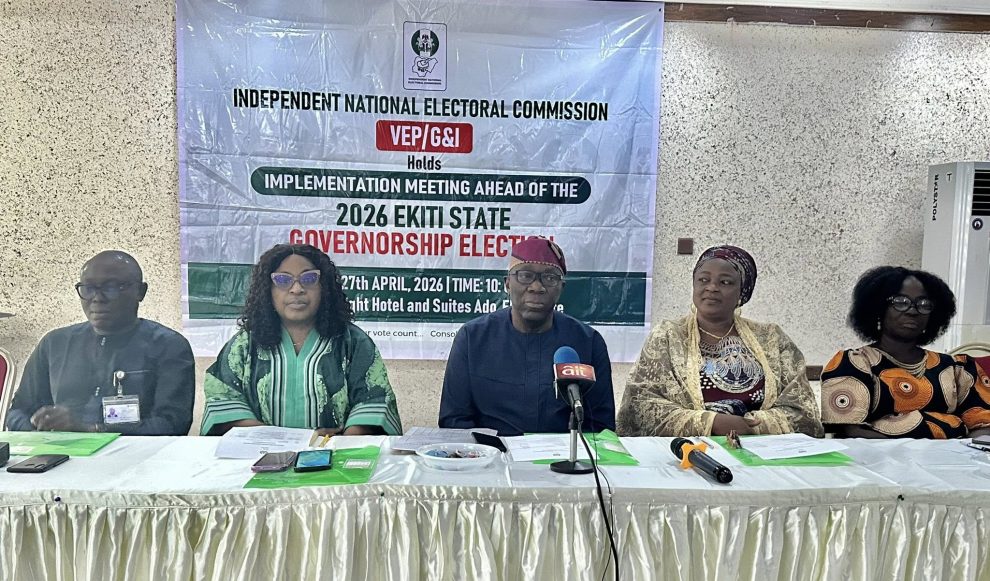
The Independent National Electoral Commission (INEC) held a strategic summit on Monday as part of preparations for the Ekiti State governorship election, scheduled for June 20, 2026. Officials warned that “fake news” and politically motivated narratives remain the greatest threats to the peace and credibility of the upcoming vote.
The commission is pivoting its strategy toward “inclusive democracy,” specifically targeting rural communities, first-time voters, and persons with disabilities (PWDs) to ensure the election results are truly representative.
The Battle for the ‘Digital Truth’
The Resident Electoral Commissioner (REC) for Ekiti State, Dr. Bunmi Omoseyindemi, described voter education as the “backbone” of the process. He stressed that informing the public is no longer enough; the commission must now actively dismantle false information that could trigger violence.
Key Strategic Priorities for the Ekiti Polls:
- Misinformation Shield: Collaborating with the National Orientation Agency (NOA) to fact-check viral claims in real-time.
- Inclusivity Mandate: Proactive measures to ensure women, youth, and PWDs face fewer sociocultural barriers at the ballot box.
- Security ‘Flashpoints’: Identifying areas prone to tension to ensure voters feel safe enough to participate without fear.
- Register Validation: Addressing discrepancies in the voter register to prevent disenfranchisement.
Analysis: A Test for Nigeria’s Democratic Resilience
The Ekiti election is often seen as a “litmus test” for the general elections that follow. In a state known for its high literacy rates and fierce political debates, the surge in “fake news” presents a unique challenge. By framing the battle against misinformation as a security priority, INEC is acknowledging that a “digital lie” can be just as dangerous as a physical ballot-snatcher.
Furthermore, the focus on “marginalized groups” is an attempt to fix a persistent problem in Nigerian politics: voter apathy. If INEC can prove that the process is accessible to everyone—from the rural farmer to the student in the city—they may finally be able to push turnout figures above the dismal lows seen in recent years. For the international community, Ekiti will serve as a bellwether for whether Nigeria’s electoral institutions have evolved to handle the complexities of the 2020s.
‘Inclusivity is the Law’
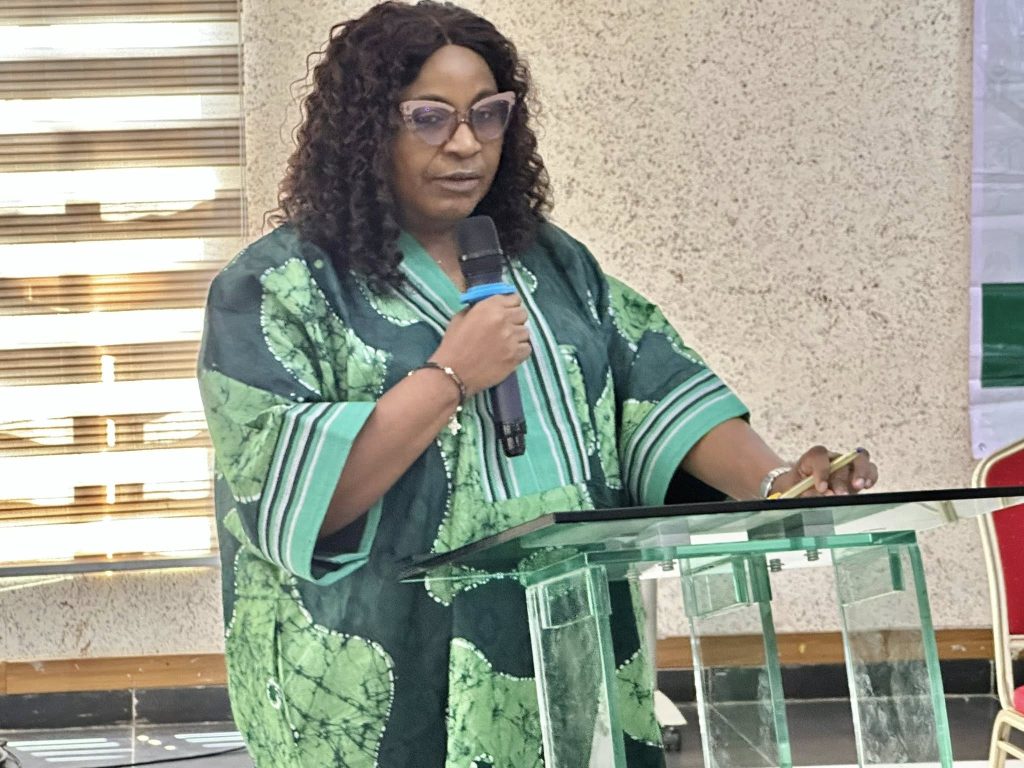
The Director of Gender and Inclusivity, Mrs. Lakunuya Dorothy, reminded stakeholders that providing access to all citizens is not a “privilege” but a legal obligation under the Electoral Act.
Echoing this, Mrs. Victoria Eta-Messi, Director of Voter Education and Publicity, stated that the commission’s outreach would now go “deep into every community” through targeted interventions.
The National Orientation Agency has already deployed sensitisation teams across Ekiti’s local governments, with a specific focus on encouraging women and youth not just to vote but to stand as candidates. As the June deadline approaches, the success of the Ekiti poll may well depend on whether the truth can travel faster than the “politically motivated narratives” designed to stop it.



Add Comment