

By Segun Ojumu
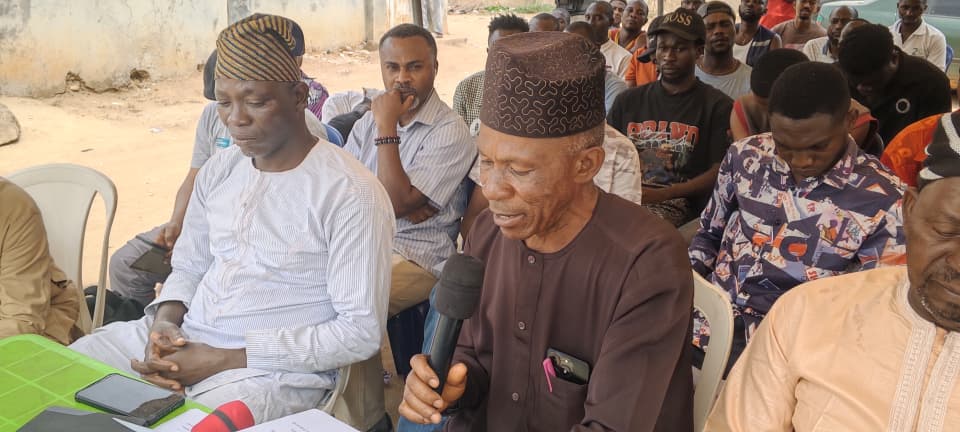
ABUJA, Nigeria — In a country often defined by its vibrant energy and rapid urbanization, a new organization is sounding the alarm on a silent killer: stress. Dr. Fredrick Obidigwe, President of the newly formed Institute of Stress Management Nigeria, officially launched a national campaign this week to address what he calls a “rampaging monster” that is actively sabotaging the country’s socio-economic development. While delivering a keynote address at a Seminar on Stress Management in Abuja at the weekend, Dr. Obidigwe argued that stress in Nigeria has transcended personal health issues and has become a matter of national security and economic stability.
A Nation Under Pressure
The Institute, registered with Nigeria’s Corporate Affairs Commission in late 2024, aims to bridge the gap between mental health and community productivity. According to Dr. Obidigwe, the “prevailing circumstances” of modern Nigerian life—ranging from intense traffic and economic instability to marital pressures and “struggle for status”—have created a toxic environment that breeds conflict.”Stress is an enemy of peace,” Dr. Obidigwe told the assembly. “It is an independent variable that changes the minds of its victims for destruction. Stress gives birth to violence, and where there is violence, there will be no peace.”

The “Cost” of Stress
The Institute’s mission is built on the premise that a stressed workforce is an inefficient one. The President highlighted several key areas where stress is eroding the fabric of Nigerian society:
Economic Impact: Declining productivity and “under socio-economic development.”
Health Crisis: A rise in cardiovascular diseases and physical manifestations such as nausea and chronic pain.
Social Stability: Increased instances of “violent conflict” linked to emotional frustration.
Breaking the Stigma
In many parts of West Africa, mental health and stress management are often overlooked or stigmatized. The Institute plans to combat this by establishing health centers and conducting nationwide workshops to “impact knowledge on stress management.”The goal, according to the Institute’s leadership, is not to eliminate stress entirely—which they acknowledge is an “integral part of everyday life”—but to equip Nigerians with the tools to “seize opportunities of life without suffering its hurts.”
The Domestic Pressure Cooker
Mrs. Lynda Ibeabuchi-Michael, a specialist in marital dynamics, joined the Institute’s President, Dr. Fredrick Abuchi Obidigwe, to highlight how “the rampaging monster” of stress filters into the Nigerian bedroom.
Addressing the diverse audience, Mrs. Lynda Ibeabuchi-Michael detailed how the daily struggle for survival in Nigeria—from the grueling Abuja traffic to the rising cost of living—creates a “spillover effect” that leads to marital erosion.
“Stress is an invisible third party in many Nigerian marriages today,” she noted. “When a partner returns home exhausted from a system that provides little support, the home ceases to be a sanctuary and instead becomes a theater of conflict.”
Key Effects of Stress on Nigerian Marriages
According to the experts, the manifestation of stress within the family unit often follows a predictable, yet destructive, pattern:
Communication Breakdown: Stress triggers a “fight or flight” response, leading to defensive or aggressive interactions rather than constructive dialogue.
Then there is the “Silent Treatment” and Emotional Withdrawal: As individuals struggle to cope with external pressures, they often lack the “emotional bandwidth” to support their spouses, leading to isolation within the home.
Next is Physical and Mental Health Decline: Chronic stress in the home is linked to insomnia, hypertension, and a weakened immune system, further straining family finances through medical bills.
Impact on the Next Generation: Mrs. Ibeabuchi-Michael emphasized that children in “high-stress households” are more likely to experience developmental delays and behavioral issues, perpetuating a cycle of community instability.
A Call for Governance
The seminar concluded with a direct appeal to the Nigerian government. Dr. Obidigwe insisted that sustainable peace and the “nascent democracy” of the nation depend on the mental well-being of its citizens. He called for “total commitment” from government agencies to integrate stress management into the national development agenda. As Nigeria continues to navigate its role as a leading African economy, the Institute of Stress Management Nigeria insists that the country’s greatest resource—its people—must be mentally resilient to succeed.


Add Comment