
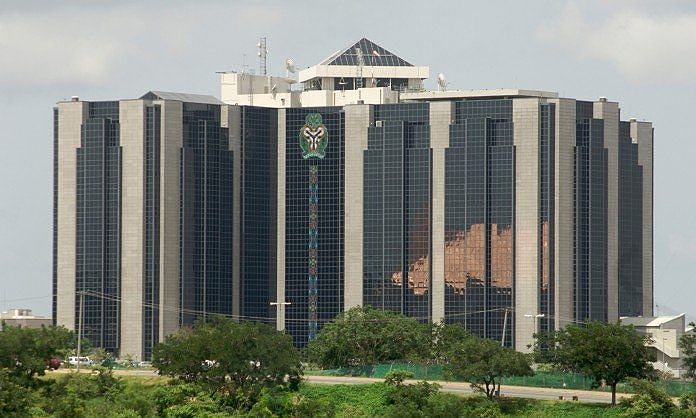

A support group for President Bola Tinubu has described the surge in Nigeria’s net foreign reserves to over $40bn (£31bn) as clear evidence that ongoing macroeconomic reforms are restoring international investor confidence.
In a joint statement issued by chairman Ahmad Sajoh and secretary Danjuma Sada, the Tinubu Stakeholders Forum (TSF) highlighted that net reserves have risen from roughly $3bn in 2023 to more than $40bn over three years.
The group described the growth as one of the most significant turnarounds in Nigeria’s external financial position in recent history.
Unification and FX transparency
Unlike gross reserves, which include short-term liabilities and other financial obligations, net foreign reserves represent the actual liquid currency buffers available to defend the local currency and absorb external shocks.
The group attributed the sharp recovery to several key policy interventions:
- Exchange Rate Alignment: Unification of the foreign exchange market to eliminate multiple exchange rate windows.
- Monetary Policy: Tighter coordination between fiscal authorities and the Central Bank of Nigeria (CBN).
- Market Transparency: Measures implemented to rebuild liquidity and clear backlogs in foreign exchange management.
Impact on business and inflation
The TSF noted that stronger foreign exchange buffers directly benefit domestic businesses by improving access to capital for critical imports, raw materials, and industrial machinery.
“As exchange-rate stability improves, businesses are better able to plan, production costs become more predictable, and inflationary pressures arising from exchange-rate volatility are moderated,” the statement read.
The forum commended President Tinubu and the central bank leadership for maintaining policy discipline, urging the government to continue prioritizing export promotion and domestic manufacturing to sustain the gains.




Add Comment