
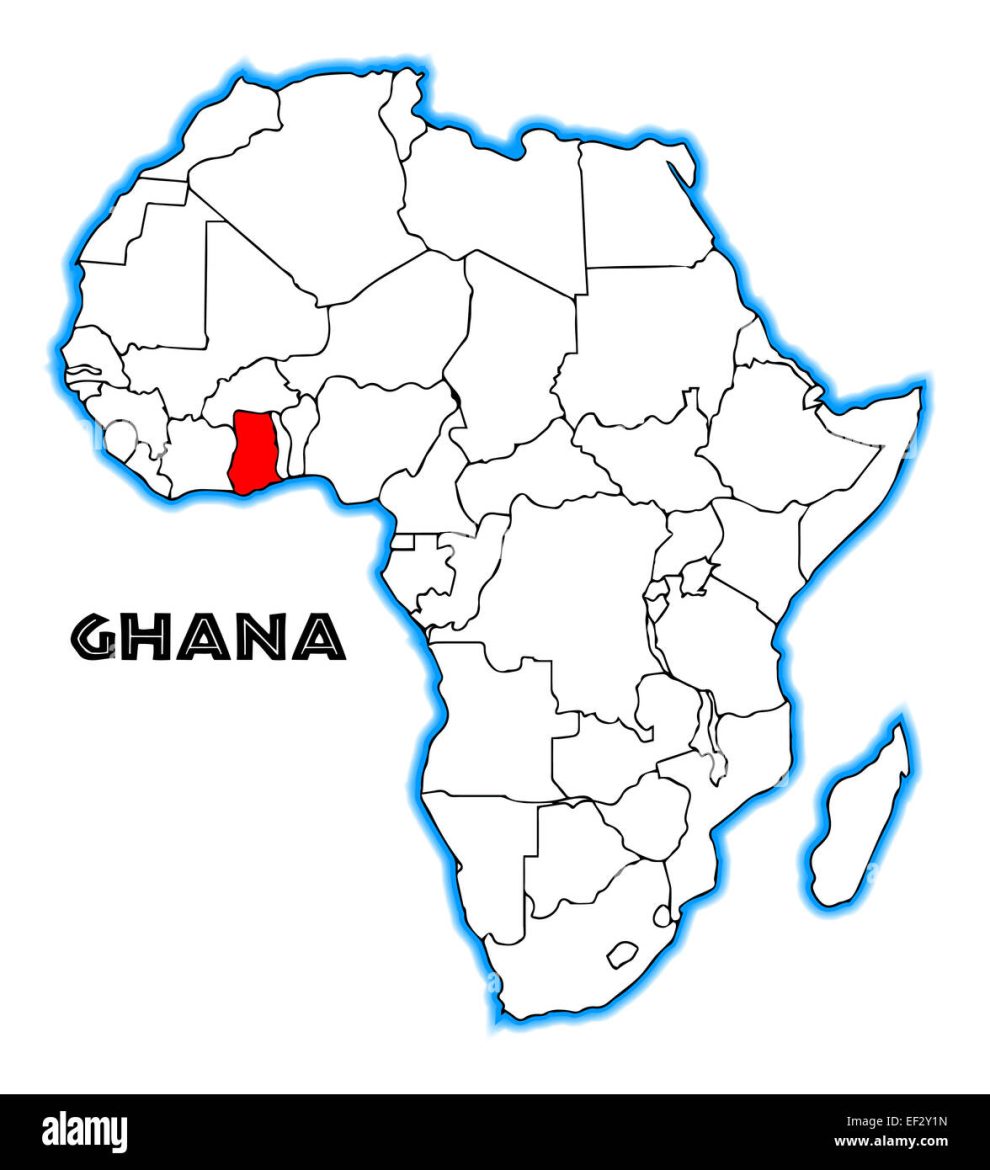

Ghana has become the latest nation to walk away from a bilateral health agreement with the United States, dealing a fresh blow to the Trump administration’s radical restructuring of foreign aid.
Sources familiar with the negotiations told Reuters that the government of President John Dramani Mahama balked at terms requiring Ghana to share sensitive health data with Washington. The collapse of the talks follows similar failures in Zimbabwe and a legal challenge in Kenya, as African nations push back against the new conditions of American assistance.
While the US State Department declined to disclose details of the private negotiations, a spokesperson stated that Washington remains committed to “strengthening the bilateral partnership” between the two countries.
‘America First’ vs. Sovereign Data
The dispute centers on the “America First Global Health Strategy,” a policy launched in September that demands poorer nations “co-invest” in fighting diseases like HIV/AIDS and malaria while transitioning toward “self-reliance”.
The Road to Rejection:
- The Funding Gap: The proposed five-year deal was worth $109m in US assistance—a significant shift from 2024, when Ghana received $96m for health in a single year before the Trump administration’s aid cuts.
- The ‘Pressure’ Cooker: Negotiations began last November, but sources say Washington applied intense pressure as an April 24 deadline approached.
- Data Security: Accra reportedly decided it could not agree to the mandatory sharing of national health data, a move mirrored by Zimbabwe earlier this year.
Analysis: The End of the USAID Era
The rejection by Accra is more than a mere diplomatic spat; it is a symptom of a fundamental shift in how Washington interacts with the developing world. Following the dismantling of the U.S. Agency for International Development (USAID) earlier this year, the Trump administration has replaced traditional aid with a “transactional” model.
For Ghana, a country that has long been a stable partner for Western health initiatives, the demand for “sensitive data” in exchange for reduced funding appears to have been a bridge too far. This “co-investment” model has already seen 32 deals signed globally, worth some $20.6bn. However, the resistance in Ghana, Zimbabwe, and Kenya suggests that for many African capitals, the price of “America First” aid—specifically the surrender of biological and health data—is currently too high to pay.
A Growing Trend of Resistance
Ghana has officially communicated its position to the Trump administration, joining a growing list of countries skeptical of the new terms.



Add Comment