
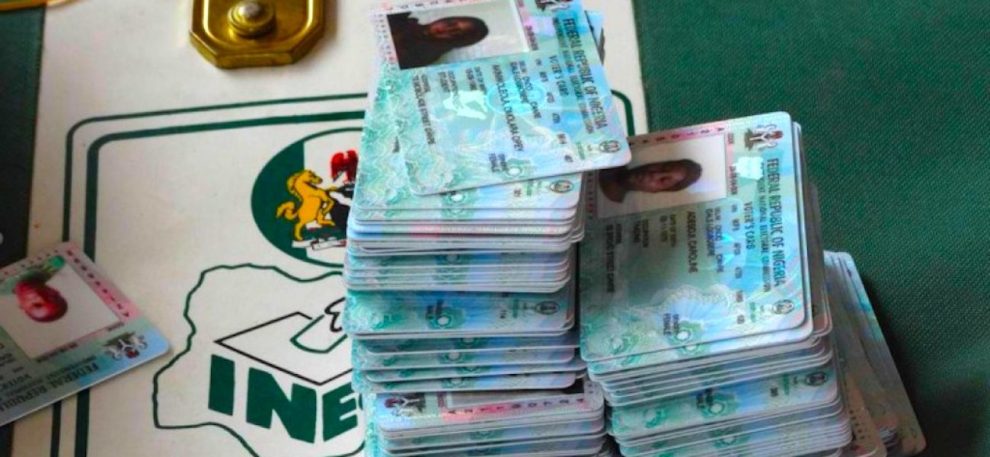

Nigeria’s electoral commission has officially concluded the second phase of its nationwide voter registration drive, adding nearly four million citizens to the preliminary database.
The Independent National Electoral Commission (INEC) confirmed on Friday that 3,748,704 Nigerians completed their registration during the four-month window. The figures signal significant engagement ahead of the 2027 general election, with a notable shift toward digital participation.
According to the commission’s data, over 2.2 million people began their registration via the online portal, while roughly 1.4 million opted for physical registration at designated centres.
The Cleanup Begins
With the registration window now shut, the focus shifts to the “Claims and Objections” period—a vital democratic safeguard designed to purge the register of errors and fraud.
Key Dates for the Next Phase:
- Display of Register: 29 April to 5 May 2026.
- Purpose: To allow citizens to verify their details and report ineligible entries, such as deceased persons, non-citizens, or duplicate registrations.
- Verification: INEC stressed that the current registration figures are “preliminary” and will undergo further technical vetting.
Analysis: A ‘Clean Slate’ for 2027?
For INEC, the credibility of the 2027 elections begins with the integrity of the voter list. Nigeria has historically struggled with “ghost voters” and administrative errors that have fueled post-election litigation. By breaking the registration process into distinct phases and allowing for a dedicated public audit in late April, the commission is attempting to build institutional trust.
The high volume of online pre-registrations suggests that the Nigerian electorate is becoming increasingly tech-savvy. However, the true test of this digital transition will be whether the “Claims and Objections” phase can effectively identify and remove fraudulent entries before the final register is certified. For an agency often accused of being “pro-establishment,” this transparent cleanup is a critical opportunity to prove its neutrality.
The Road Ahead
The registration process is being conducted in waves. The first phase concluded in December 2025, and this second phase, which began in January, has now drawn to a close.
While the commission has not yet announced the start date for the third phase, it reaffirmed that a “clean and credible” register remains the bedrock of a transparent election.
As the 29 April deadline for public verification approaches, civil society groups are expected to ramp up their monitoring efforts to ensure that every “objection” raised by a citizen is handled with the “renewed vigour” the commission has promised.



Add Comment