
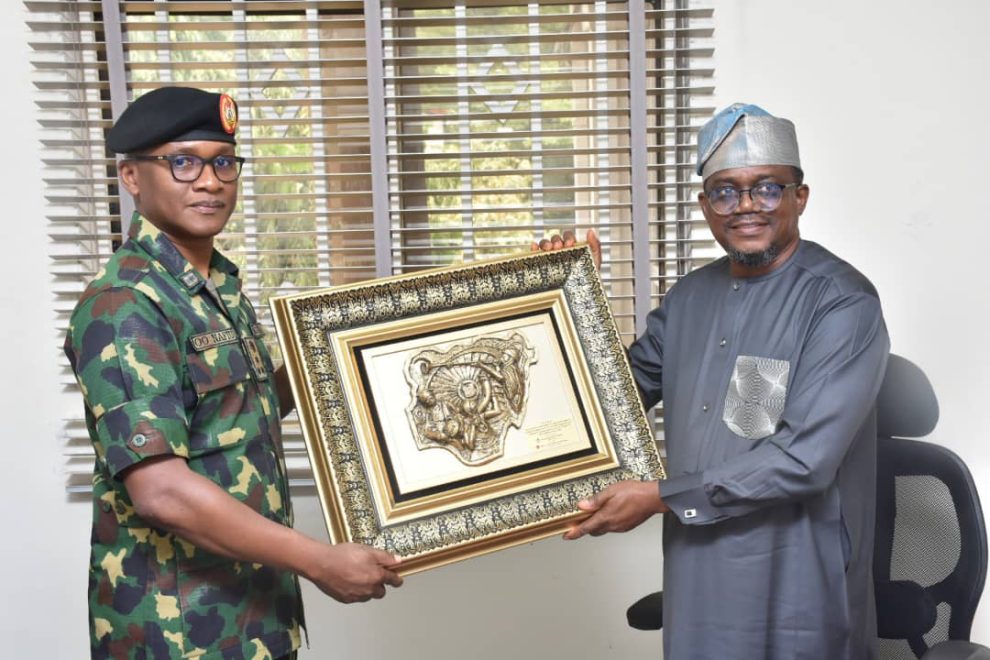

A former Director-General of the National Youth Service Corps (NYSC), Major General Johnson Olawunmi (Rtd), has defended the scheme’s relevance, insisting it remains a cornerstone of Nigerian integration more than 50 years after its founding.
Speaking in Abuja, General Olawunmi dismissed suggestions that the scheme had outlived its purpose, stating that it continues to meet national expectations despite modern-day challenges.
Building bridges
During a meeting with the current Director-General, Brigadier General Olakunle Nafiu, the retired general described the NYSC as a “national instrument” for unity. He argued that the scheme’s ability to foster relationships across religious and socio-economic lines is more critical now than ever. He highlighted several key areas where the NYSC continues to make an impact:
Community Development: Providing essential services in remote areas.
National Interventions: Supporting government programmes in health and education.
Cultural Integration: Encouraging young Nigerians to live and work in states far from their homes.
A legacy of innovation
The current Director-General, General Nafiu, paid tribute to his predecessor’s tenure (2014–2016), specifically noting two landmark reforms that transformed the scheme:
Health Initiative for Rural Dwellers (HIRD): A programme that deployed corps members to provide medical care to indigent Nigerians in rural communities.
E-Registration: The digitisation of the corps member registration process, which modernised the scheme’s operations.”The NYSC has continued to live up to the ideals that informed its establishment… building bridges across religious, socio-economic and cultural affiliations,” General Olawunmi said.
Praise for personnel
General Olawunmi also took the opportunity to praise the NYSC workforce, describing them as some of the “best crop of personnel” he had encountered during his military career. He urged the current leadership to fully harness the potential of the staff to ensure the scheme continues to evolve and meet the needs of a changing Nigeria.

Add Comment