
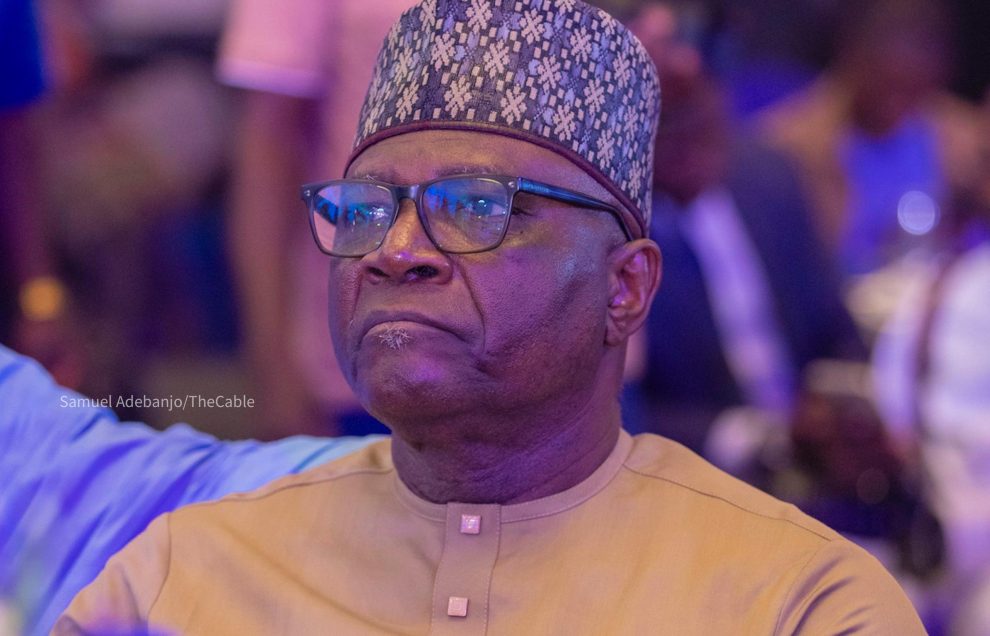

The Nigerian presidency has accused former Vice President Atiku Abubakar of political opportunism and contradictory statements following shifting positions on petrol subsidy policy by his media team.
In a state house press release signed on Wednesday, 26 August 2026, by Bayo Onanuga, Special Adviser to the President on Information and Strategy, the administration claimed Atiku has made three conflicting policy statements within a single week.
Conflicting Signals from Opposition Camp
The Presidency highlighted contradictory statements issued by the former vice president and his media representatives regarding fuel pricing:
- Initial Proposal: Spokesperson Paul Ibe originally stated that Atiku would restore fuel subsidies temporarily before phasing them out to cushion economic pressures on businesses.
- Aide’s Rebuttal: Senior aide Phrank Shaibu publicly rejected that statement as “unauthorised,” stating instead that subsidies would remain until local refining capacity expanded and market competition stabilized prices.
- Atiku’s Intervention: Hours later, Atiku overruled the clarification, reaffirming his intention to introduce a “targeted subsidy” to boost household purchasing power.
Presidency Questions Market Feasibility
Rejecting Atiku’s proposal, the Presidency argued that fuel costs are dictated by global crude prices, exchange rates, and refining logistics rather than government directives alone:
- Broader Inflation Drivers: The statement rejected claims that petrol prices are the sole driver of food inflation, pointing to agricultural output, security challenges, supply chain logistics, and money supply as critical factors.
- Refining Economics: Onanuga questioned the mechanics of Atiku’s proposal, noting that refined petrol accounts for only 45 percent of a crude barrel, alongside already deregulated by-products like diesel, aviation fuel, and petrochemical bases.
- Call for Clarity: The administration urged Atiku to publish the exact costs, funding mechanisms, and targeting criteria for his proposed subsidy regime rather than engaging in election-season populism.
The Presidency maintained that the removal of fuel subsidies under President Bola Tinubu has restored fiscal stability across all tiers of government while creating a sustainable macroeconomic environment.


Add Comment