
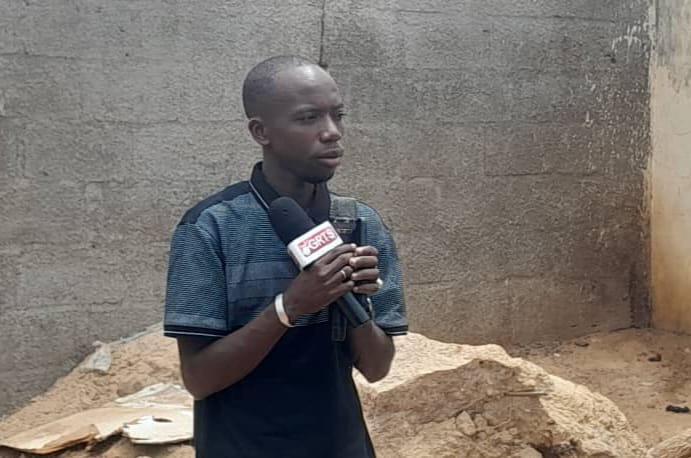

At least 131 Gambian migrants have died trying to reach Europe through irregular routes so far in 2026, a regional parliamentary briefing has heard.
The vast majority of the victims—117 people—perished at sea, highlighting the ongoing peril of the Atlantic migration route. A further 14 deaths were recorded on land.
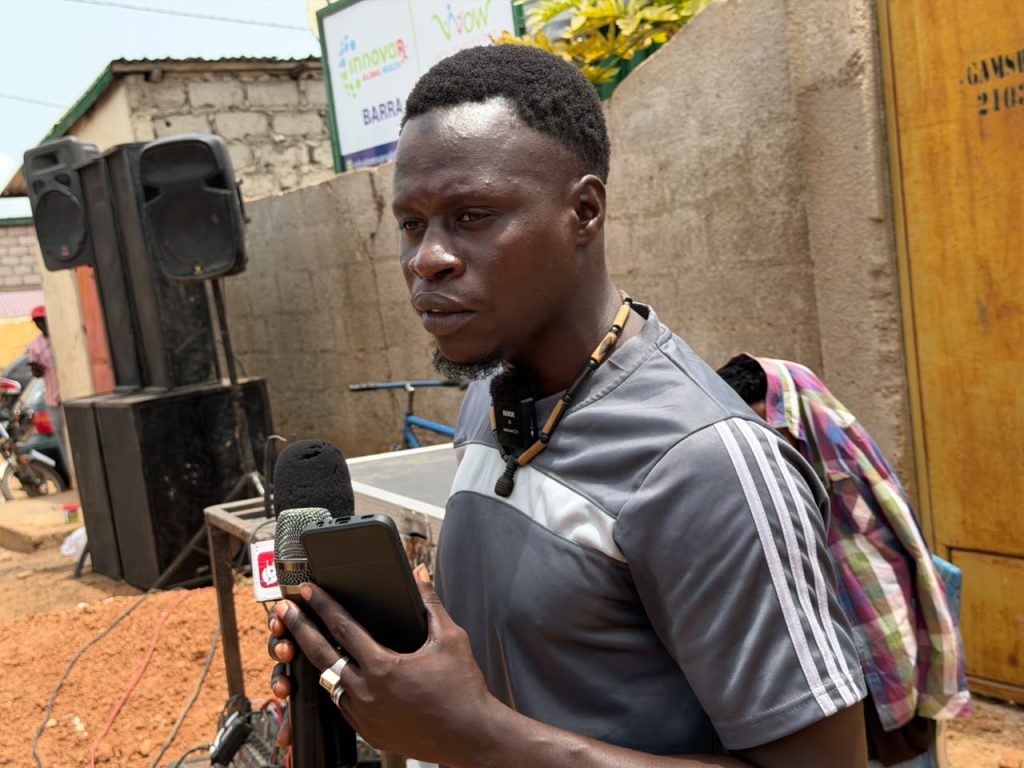
The figures were presented to members of the Ecowas Parliament during a citizen engagement event in Barra, a coastal town in the North Bank Region long known as a primary departure point for smugglers. Baye Gassama, head of the Network of Reintegration and Irregular Migration Data (NRIMD), warned lawmakers that the crisis is accelerating. He revealed that four boats have vanished without a trace this year, leaving 245 Gambians missing.
The Allure of the Backway
The dangerous journey to Europe, locally known as the “backway,” continues to attract thousands of young Gambians fleeing economic hardship. According to NRIMD data:743 Gambians have successfully reached Spain this year, out of 1,860 total migrant arrivals recorded by the organisation. 2,553 migrants were intercepted by authorities before or during their journeys, including 574 Gambians. 1,589 of those interceptions took place before the boats could even launch.
The Ecowas delegation also heard that the closure of a local migration resource centre in Barra had led to a resurgence in departures.”When the project phased out, there were no more awareness-raising activities… which has led to an increase in the number of young people venturing on the backway journey,” Mr. Gassama said. He noted that the town’s geography at the mouth of the River Gambia makes it highly vulnerable to smuggling networks.
Horrible Conditions
‘The briefing included harrowing testimonies from survivors who urged the West African bloc and the Gambian government to intervene. Momodou Lamin Joof, an 11-year veteran of the Gambian Navy who reached the rank of Lance Corporal, revealed he had attempted the journey five times due to intense family pressure and lack of prospects.”It was because of the backway that I lost my job,” Mr. Joof told the delegation, describing the brutal conditions he faced when he was captured and detained en route.”We used the entrance of the prison to urinate because there were no toilet facilities… The conditions were horrible and our suffering continued.”Another survivor, Yamundaw Sarr, who attempted the crossing three times, spoke of starvation and abuse at the hands of traffickers. “Getting food during the journey was almost impossible. They seized all our phones and locked us up from morning until evening,” she said. Both survivors noted that they have received zero state or reintegration support since returning to The Gambia.
Calls for Stronger Laws
The number of returnees to the North Bank Region rose by 38% between 2024 and 2025, a spike Mr. Gassama said underscores the desperate need for psychological services, livelihood programmes, and stricter anti-smuggling laws.”We need a strong law against smuggling so that those found smuggling migrants will face appropriate penalties, which are not currently in place,” Mr. Gassama urged.
Local residents in Barra have called on the Gambian government to invest heavily in youth development and job creation, warning that without economic alternatives, young people will continue to risk their lives at sea.




Add Comment