
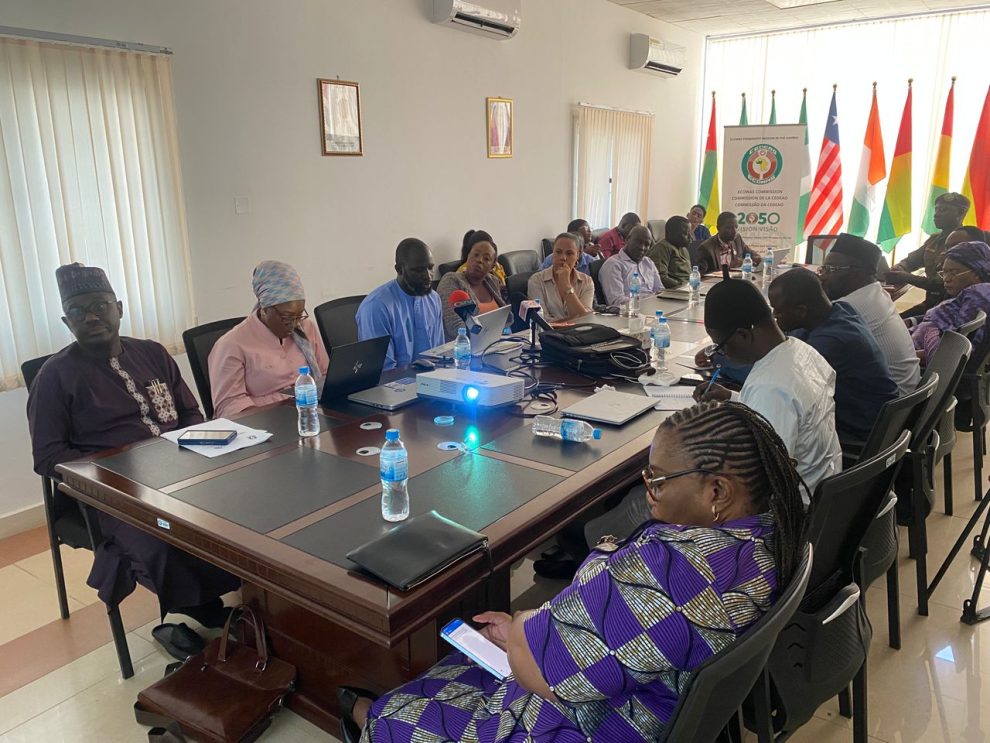

Irregular migration across West Africa is expected to remain high throughout the remainder of 2026, despite stepped-up border enforcement.
That was the warning given by Alkali Jammeh, Assistant Superintendent of the Gambia Immigration Department, to regional parliamentarians during a meeting in Banjul focused on mixed migration and modern slavery.
Mr. Jammeh revealed that operational data confirm that The Gambia continues to serve as both a transit point and a departure country on the Atlantic migration route.
He said there had been a sustained high level of movement during the first half of the year, despite intensified border operations.
Legislators heard that the second quarter had seen significant increases in migrant interceptions, voluntary returns from Libya and Tunisia, and deportations from Europe, primarily from Germany and Italy.
“Organised networks”
Mr. Jammeh argued that this data proves that migration pressures are not only remaining strong but are becoming increasingly organized.
“Smuggling networks continue to exploit coastal communities, unauthorized border crossings, and regional migration corridors, requiring sustained intelligence-led operations and enhanced regional cooperation,” the immigration official said.
While the flows remain predominantly regional—nearly all intercepted migrants originated from ECOWAS Member States—several key trends emerged during Mr Jammeh’s briefing:
- Nationality: Senegalese nationals form the largest group of intercepted migrants (33.7%), followed closely by Gambians (31.3%). Significant numbers also came from Guinea and Mali.
- Vulnerability: Enforcement teams observed an increase in vulnerable migrants. Although the flow is mostly male, female migration is becoming increasingly visible in mixed flows, representing nearly one in five migrants. The presence of children also points toward a rise in family migration.
- Route Usage: There is continued and heavy use of irregular departure points along the coast and regional corridors.
Grim outlook
The Assistant Superintendent also outlined substantial constraints hindering effective enforcement operations.
These included weak legal frameworks and complicity from local communities. He also noted a lack of basic patrol equipment, insufficient funding, and a shortage of fuel to maintain a persistent presence at the borders.
Looking ahead to the next six months, Mr.Jammeh offered legislators a grim outlook, predicting that irregular migration will remain high.
“Smuggling networks are likely to continue exploiting coastal departure areas while adapting their methods to evade law enforcement operations,” he said.
Mr Jammeh concluded that, without sustained enforcement, greater regional cooperation, and improved intelligence gathering, smuggling activities would become even more organized and difficult to disrupt.




Add Comment