
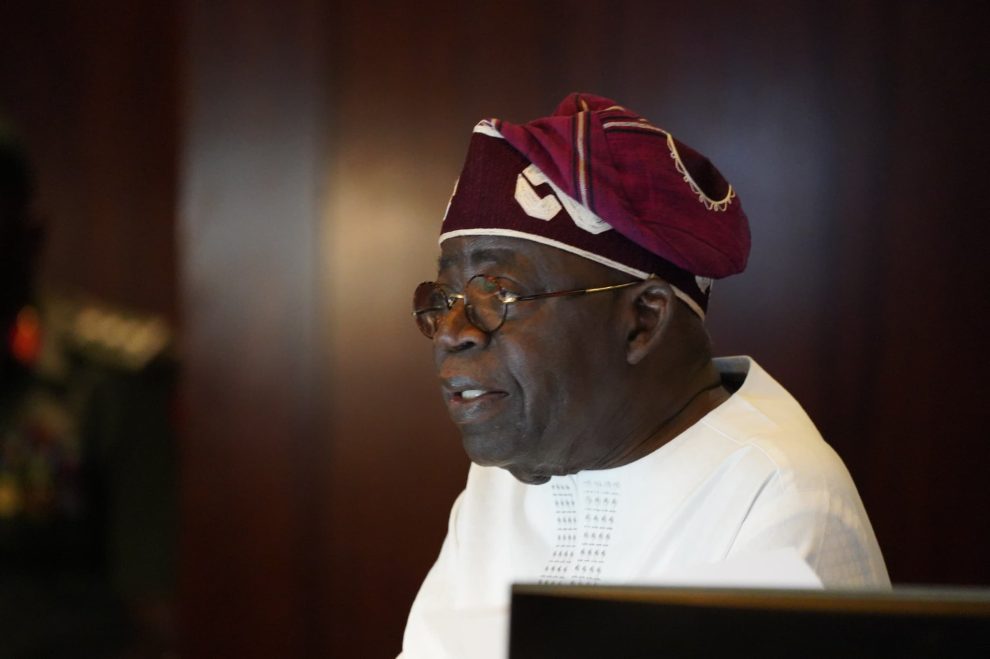

A prominent support group has described President Bola Tinubu’s recent state visit to the United Kingdom as a decisive turning point in Nigeria’s global standing, claiming the trip has “unlocked” critical economic and maritime investment.
The Tinubu Media Volunteers (TMV) stated on Monday, reflecting on the visit, which took place at the invitation of King Charles III. The group argued that the high-level reception at Buckingham Palace—the first for a Nigerian leader in 37 years—was a clear signal that the international community now “rates Nigeria highly” under the current administration.
At the heart of the group’s praise is a £746 million loan deal secured for the comprehensive revitalisation of the Apapa and Tin Can Island ports in Lagos.
Rebuilding the ‘Maritime Gateway’
The TMV highlighted the strategic importance of the port agreement, noting that the two Lagos hubs are Nigeria’s primary gateways for international trade.
“We consider the loan vital in modernising the ports towards boosting Nigeria’s economy,” the group stated. Beyond infrastructure, the volunteers pointed to several key agreements that were finalised during the trip, including:
- Immigration Cooperation: A new framework for the return of deported citizens, which for the first time guarantees that returnees will maintain access to their legally acquired personal belongings.
- Business Mobility: Agreements aimed at easing the movement of professionals and stimulating higher trade volumes between the two nations.
- Security Partnerships: Deepened cooperation on border security and transnational crime.
Analysis: The ‘Royal’ Stamp of Approval
For the President’s supporters, the symbolism of the visit is as important as the trade deals. By framing the trip as a “historic recognition” of Mr. Tinubu’s leadership, the TMV is attempting to push back against domestic critics who have questioned the impact of the President’s frequent foreign travels.
The group’s focus on the maritime loan is a calculated move to show “deliverables.” Apapa and Tin Can Island have long been plagued by congestion and decaying infrastructure, costing the Nigerian economy billions in lost revenue.
However, the migration deal remains a sensitive topic. While the TMV frames it as a “people-centred” agreement that protects the assets of Nigerians abroad, the ease of deportation remains a point of concern for many in the diaspora. As the government prepares to implement these new treaties, the pressure will be on the administration to ensure that the “mutually beneficial gains” promised in London are felt by ordinary Nigerians back home.



Add Comment