
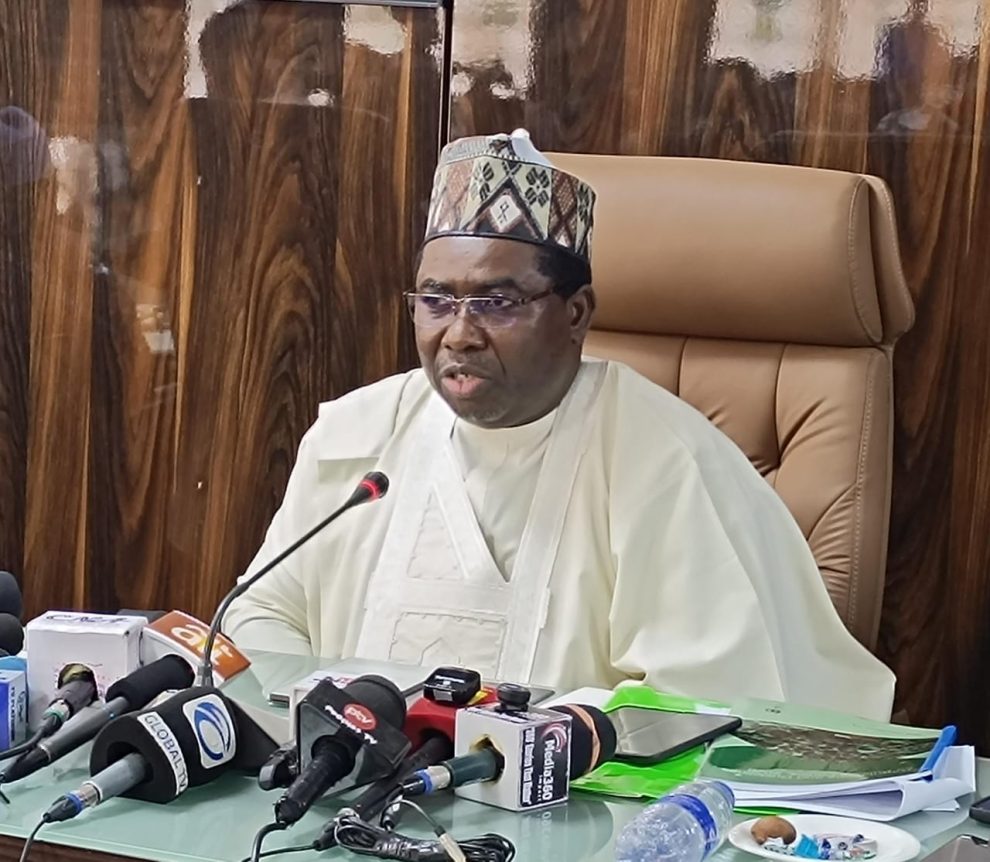

The Independent National Electoral Commission (INEC) and Nigeria’s political leadership have held a critical consultation in Abuja to fine-tune the regulations that will govern the 2027 General Election.
On Tuesday, the Commission’s Chairman, Professor Joash Amupitan SAN, presented the draft 2026 Regulations and Guidelines, signaling the start of a collaborative effort to align party operations with the recently enacted Electoral Act. The meeting served as a primary platform for stakeholders to harmonize their vision for a transparent and inclusive democratic process.
A Modern Map for 2027
Opening the session, Professor Amupitan emphasized that the new guidelines are designed to provide “surgical precision” for an electoral calendar that begins with the Presidential and National Assembly elections on January 16, 2027.
The Chairman framed the updated regulations as a tool for institutional strengthening rather than mere oversight. Key pillars of the draft include:
Strengthening Primaries: New procedures to ensure fairness and transparency in how candidates are nominated.
Operational Accountability: Streamlining party registration and day-to-day functioning to reduce litigation.
Inclusivity Benchmarks: For the first time, the Commission is embedding measurable standards for the participation of women, youth, and Persons with Disabilities (PWDs).
“Credible elections begin long before polling day,” Professor Amupitan noted, describing the Commission and political parties as “joint custodians” of Nigeria’s democratic future.
Constructive Feedback from Party Leaders
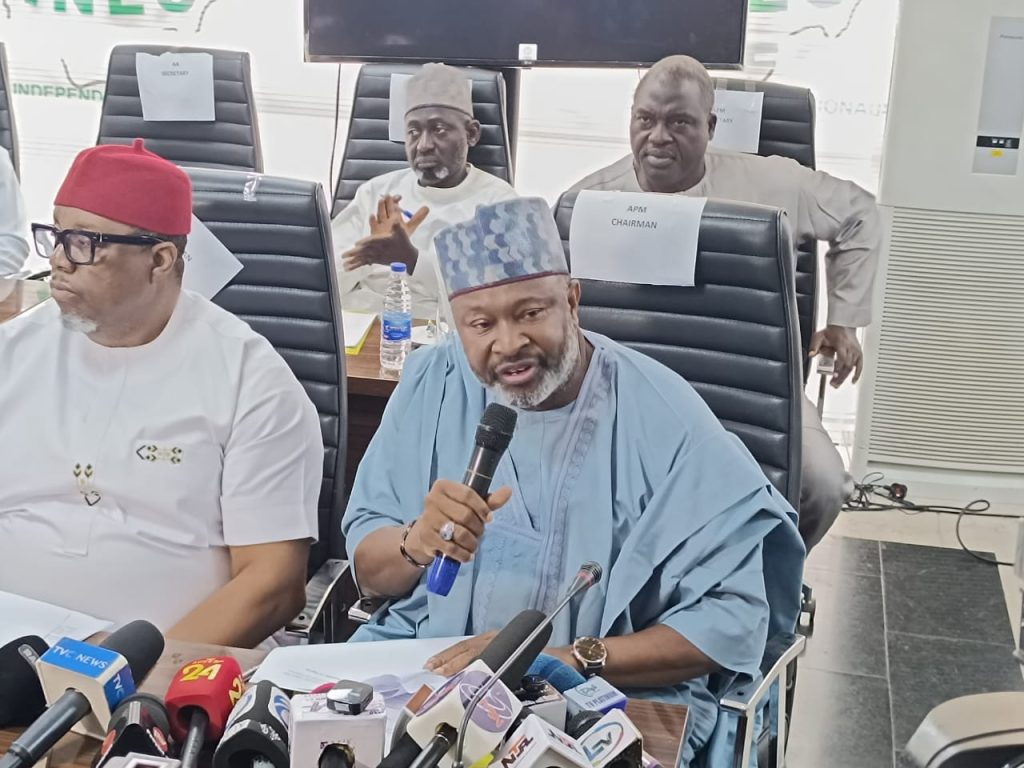
Responding on behalf of the political parties, the National Chairman of the Inter-Party Advisory Council (IPAC), Yusuf Dantalle, acknowledged the importance of the consultation while highlighting specific areas where the parties believe the legal framework could be made more practical.
IPAC’s feedback focused on ensuring the laws remain “people-oriented” and achievable for parties of all sizes. Key points of discussion included:
Administrative Timelines: Concerns regarding the window for submitting membership registers and National Identification Numbers (NIN).
Flexibility in Primaries: A request to maintain various options for candidate selection, including indirect primaries.
Technology & Transparency: A shared commitment to the electronic transmission of results to the IReV portal to bolster public confidence.
Building the “Electoral Ecosystem”
Despite the technical points of debate, the meeting was characterized by a mutual recognition that the integrity of the 2027 polls depends on early and honest engagement. Both INEC and IPAC stressed that the “trust deficit” among voters can only be bridged through a framework that is clear, equitable, and beyond reproach.
As the Commission prepares for the upcoming governorship elections in Ekiti and Osun, these consultations are seen as a vital “dry run” for the technological and administrative reforms that will define the next national cycle.

Add Comment