

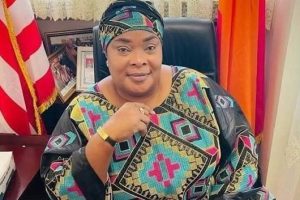
LOME, Togo — The Speaker of the ECOWAS Parliament has called for a radical transformation of the region’s education systems, warning that the “demographic dividend” of West Africa’s young population could turn into a security risk if it is not met with relevant skills.
Speaking at the close of a high-level joint committee meeting in Togo’s capital, Lome, Memunatu Ibrahima described education as the “cornerstone” of regional integration and a strategic necessity for economic survival.
“If ECOWAS intends to be more than a geographical space… then our greatest investment must be in the minds and capacities of our people,” she said in a statement delivered on her behalf by Orlando Pereira Diaz.

Skills vs. Reality
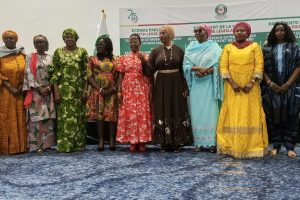
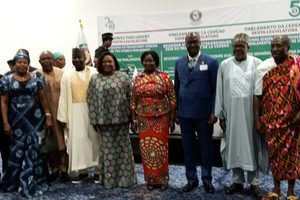
The meeting, which brought together regional committees on education, health, and technology, focused on the theme of “Strengthening Curriculum Alignment with Socio-Economic Needs.”
The Speaker argued that current teaching methods are often detached from the realities of the modern West African economy. She highlighted several sectors that require immediate focus:
- Technology & Digital Literacy: Moving these from “optional” to fundamental subjects.
- Green Energy: Equipping the youth for the growing renewable energy sector.
- Agribusiness: Transforming agriculture from subsistence farming into a high-value industry.
- Creative Industries: Recognising the economic potential of West Africa’s cultural exports.
The Migration Warning
West Africa currently has one of the youngest populations in the world. While this offers a massive potential workforce, Ms Ibrahima warned that failing to provide jobs through education could fuel social instability.
“We must choose to take advantage of this demographic divide or risk the consequences of unemployment, migration, and social instability,” she said, describing curriculum reform as a “security strategy” as much as an economic one.
The Speaker also stressed that integration is not just about political protocols signed in offices, but about the “mobility of workers.” She called for the harmonisation of qualifications across the 15 member states, allowing a graduate from one country to contribute to the economy of another without administrative hurdles.
A Call for Inclusion
The Parliament pledged to provide the necessary political supervision to ensure these reforms are implemented. The Speaker specifically noted that the new “inclusive” curriculum must ensure that women, girls, and those in rural or marginalised communities are not left behind.
“Regional integration ceases to be a political theory and becomes a reality when our people are qualified,” she concluded. “The future of West Africa will not be driven by chance; it will be driven by the decisions we make today in our classrooms.”

Add Comment