
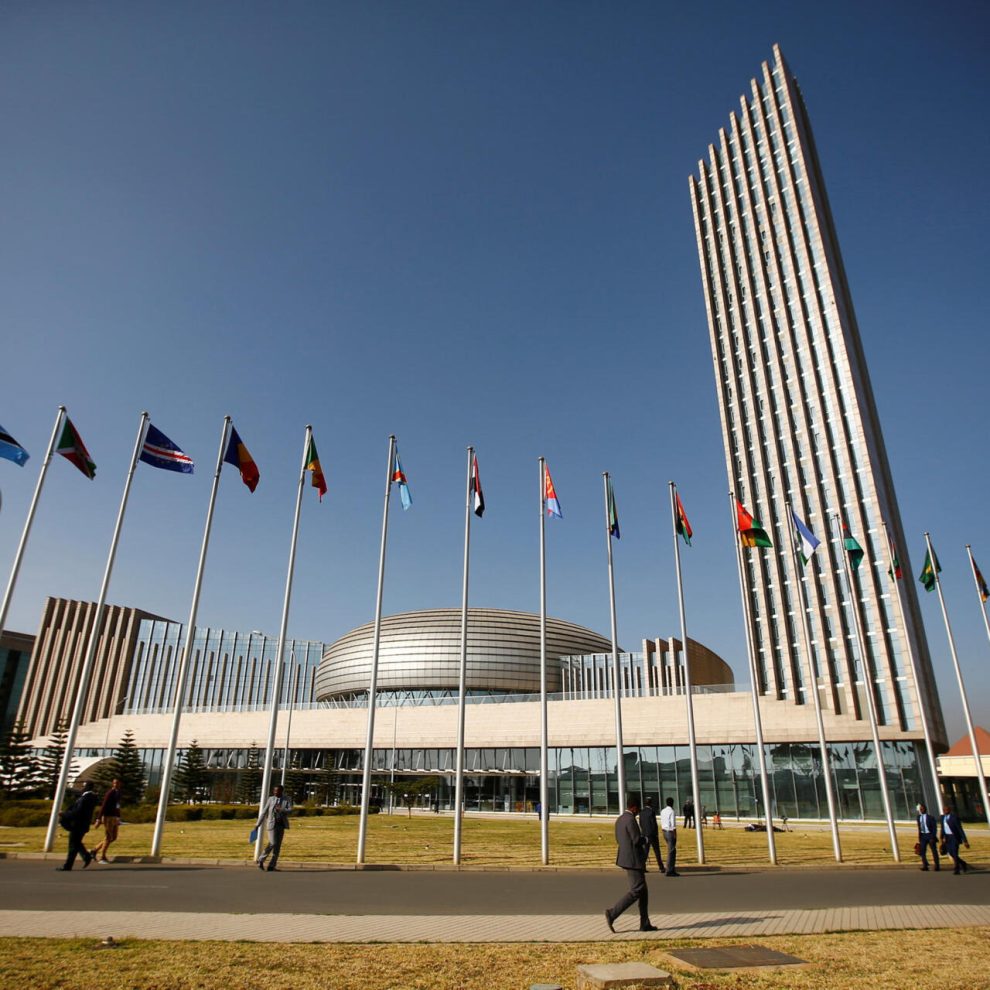

The African Union (AU) has announced that the African Credit Rating Agency (AfCRA) will officially launch on 7 October 2026, in a bid to counter what African leaders describe as biased credit assessments by Western institutions.
The AU confirmed on Wednesday that the long-awaited launch event will take place in Port Louis, Mauritius, where the continental rating agency will be headquartered.
The establishment of AfCRA aims to provide alternative, context-driven credit evaluations for African sovereigns and corporations, challenging the dominance of the “Big Three” global agencies—S&P Global, Moody’s, and Fitch Ratings.
Tackling the ‘Africa Risk Premium’
African governments have long argued that international rating agencies routinely exaggerate risk on the continent, forcing nations to pay an unfair “risk premium” when borrowing on global capital markets.
“For decades, skewed risk perceptions have forced African nations to pay an unfair ‘risk premium’ on global capital,” the AU said in a statement. “AfCRA is created to rewrite that narrative with context-driven credit opinions.”
Countries such as Ghana and Zambia have previously noted that aggressive downgrades by international agencies exacerbated their domestic debt crises by driving up borrowing costs.
More recently, the African Peer Review Mechanism (APRM) criticized Fitch Ratings over its downgrade of the African Export-Import Bank (Afreximbank), accusing the agency of failing to understand local institutional structures.
Independent structure and focus
To ensure international credibility and guard against political interference, AfCRA will not be owned or run by African governments.
The agency is expected to focus primarily on rating local-currency debt instruments, providing deep-market analysis that reflects regional economic realities.
The initiative has received strong backing from regional leaders, including Nigerian President Bola Tinubu, who previously wrote in the Financial Times that the perceived-versus-actual risk gap continues to inflate the cost of capital across the continent, stifling critical infrastructure development.




Add Comment