

Nigeria’s electoral umpire has set out plans to deploy real-time counter-disinformation tools and stress-test its voting technology ahead of the country’s 2027 general election.
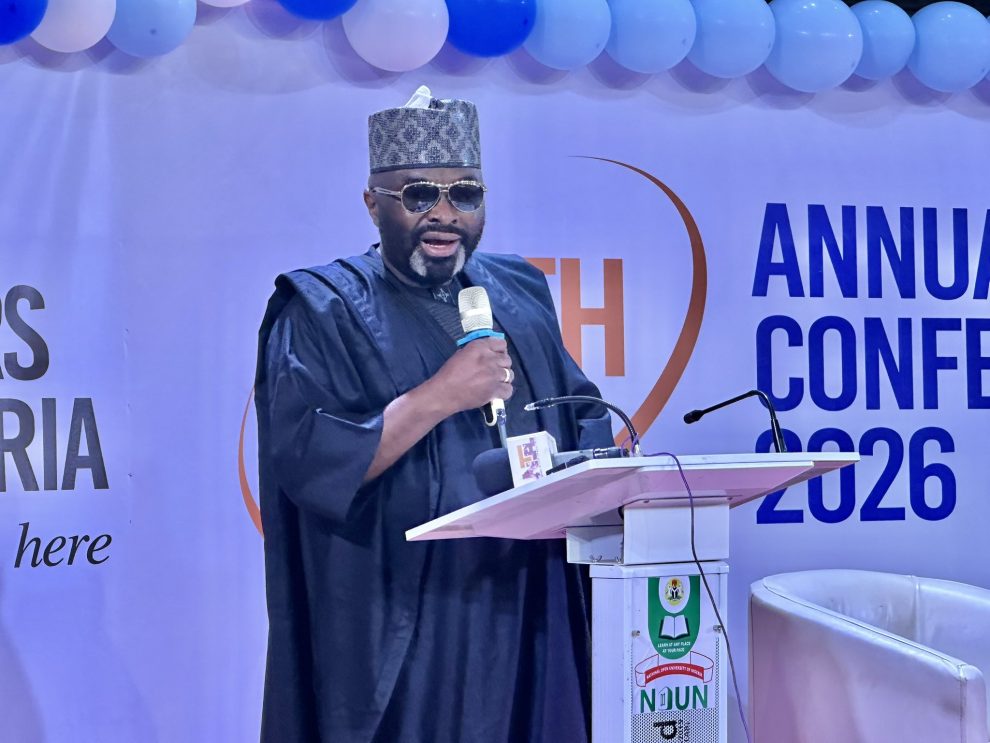
The Independent National Electoral Commission (INEC) announced the measures at the 13th Annual International Conference of the Association of Communication Scholars and Professionals of Nigeria (ACSPN) in Abuja.
Delivering the keynote address on behalf of INEC Chairman Prof Joash Amupitan, National Commissioner Prof. Sani Muhammad Adam said the commission was auditing its digital infrastructure, carrying out penetration testing, and considering a mock presidential election to test its systems under pressure.
Tackling deepfakes and misinformation
Electoral officials warned that the rapid rise of artificial intelligence and deepfake technology posed a major threat to voter trust ahead of the next polls.
To counter manipulated media, INEC is building a rapid-response communication system designed to flag, verify, and counter political misinformation in real time.
“Lessons from the 2023 general election demonstrated that while innovations significantly enhanced transparency, technology alone cannot guarantee public trust unless it performs reliably,” Prof. Adam said.
The move comes amid growing concern across Africa that digital disruption and AI-generated media could be weaponized to undermine democratic processes.
Calls for wider media literacy
Also addressing the summit, the Director-General of Nigeria’s National Orientation Agency (NOA), Lanre Issa-Onilu, warned that uncorrected AI misinformation risked severely damaging public confidence.
“AI-generated misinformation and manipulated digital content could significantly undermine public confidence ahead of the 2027 elections if left unchecked,” Mr. Issa-Onilu said, urging civil society groups and tech platforms to step up media literacy initiatives.
INEC said it was expanding partnerships with fact-checking organizations, tech companies, and universities to ensure voters could distinguish verified news from fabricated content during the campaign.



Add Comment