

Iran has fired a barrage of missiles and drones at US targets and American allies across the Middle East, marking a severe escalation in regional hostilities.
Tehran directed strikes against targets in Kuwait, Jordan, Iraq, and Bahrain. Meanwhile, Iran’s Islamic Revolutionary Guard Corps (IRGC) claimed two oil tankers struck sea mines while navigating the strategic Strait of Hormuz.
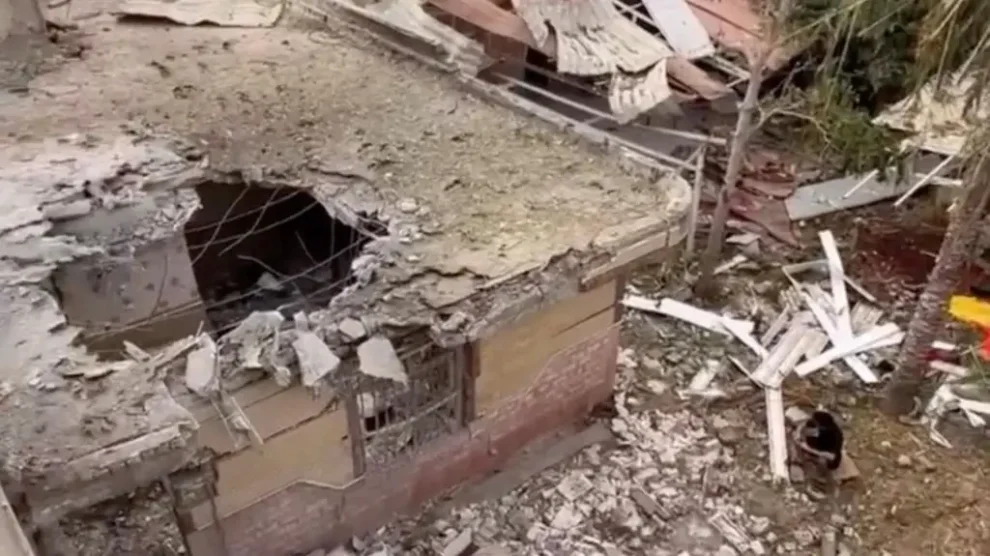
The wave of retaliatory attacks follows allegations from Iranian officials that a US strike hit a house hosting a wedding celebration in Sirik, southern Iran.
According to the Iranian Red Crescent, at least four people—including a child—were killed and dozens injured after missile shrapnel struck the residential property.
US denies targeting civilians
Iran’s foreign ministry spokesman, Esmaeil Baghaei, condemned the ongoing conflict as an “unlawful war of choice” and described the strike on the wedding venue as a “war crime.”
Former Iranian chief negotiator Mohammad Bagher Ghalibaf also denounced the attack, saying, “If a power acts like Satan, picks targets like Satan, and kills like Satan, it’s Satan.”
The US military said it was aware of the reports regarding civilian casualties but insisted it “never targets civilians.”
US Central Command (CENTCOM) confirmed it had conducted a fresh round of strikes against IRGC targets, including air defence systems, radar facilities, and mine-laying operations. Washington stated the military action was in response to Iranian attempts to disrupt commercial shipping in the Strait of Hormuz and target American service personnel.
Mediation efforts and timeline of escalation
The renewed exchanges represent the most intense military flare-up between Washington and Tehran in weeks, effectively collapsing a fragile lull in direct combat:
- 28 February: US and Israeli forces launch large-scale strikes on Iran, killing the country’s Supreme Leader. Tehran retaliates against Gulf infrastructure and regional US targets. The Guardian
- 1 March: Iran restricts passage through the Strait of Hormuz. Amu TV
- 7 April – 21 April: Both sides agree to a temporary ceasefire, which is later extended while a US naval blockade remains active. The Guardian
- 17 June: A Memorandum of Understanding establishes a 60-day window for formal negotiations, leading to the temporary removal of the US blockade.
- 7 July – 24 July: Negotiations falter, prompting a renewed wave of US strikes and the reinstatement of the naval blockade before military action is paused.
- 30 August: US forces destroy Iranian rocket launchers on Larak Island, triggering a direct trade of fire.
- 1 September: Iran responds with broad missile and drone strikes against US military positions across the region. AP News
Despite the heightening tension, diplomatic channels have not been completely severed. Pakistan’s foreign ministry said Islamabad remains in contact with both Washington and Tehran, expressing confidence that both sides will eventually return to the negotiating table to prevent a wider regional war.




Add Comment