
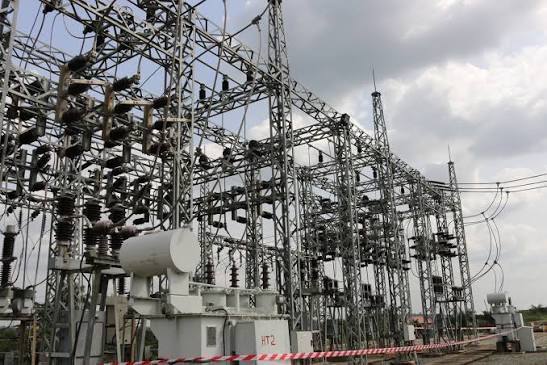

The Transmission Company of Nigeria (TCN) has unveiled an internally developed Load and Outage Analytics platform designed to modernize grid monitoring, reduce technical losses, and eliminate delayed manual reporting across the national network.
The digital system was presented by the company’s Operations Department during a technical demonstration at TCN headquarters in Abuja on Wednesday, 26 August 2026.
Addressing Data Fragmentation and Grid Losses
Representing TCN Managing Director Sule Abdulaziz, Aminu Tahir noted that technical and commercial losses remain major operational challenges, emphasizing that improved load management and real-time network visibility are critical to stabilizing the grid and reducing costly power interruptions.
General Manager of Operations, Godwin Aguiyi, detailed the shortcomings of current reporting methods and explained how the new platform resolves them:
- In-House Innovation: Conceived and built entirely by TCN’s Operations Department, the Streamlit-based platform unifies data across thirteen operational modules, replacing fragmented regional spreadsheets.
- Rapid Reporting & Audit Trails: The application automatically classifies outages, generates reliability Key Performance Indicators (KPIs), and produces board-ready reports in minutes rather than days, using role-based access for full accountability.
- Feeder-Level Visibility: Demonstrating the software using July 2026 raw field data, Aguiyi revealed that 3,714 nationwide outages caused 48,603 MWh of lost load that month. Lagos alone accounted for 20,693 MWh lost, while 22 feeders exceeded allowable outage limits, resulting in financial losses estimated at ₦720.33 million.
- Regulatory Fault Attribution: The system incorporates the Fault Attribution Ratio (FAR) framework under existing Service Level Agreements, which allocates allowable downtime responsibility between TCN (30 percent) and Distribution Companies (70 percent) based on specific fault types.
Infrastructure Support and Future Deployment
Reaffirming executive backing for the project, Executive Director of Human Resources and Corporate Services, Abiodun Afolabi-Fadahunsi, stated that management remains committed to equipping engineers with the modern digital tools required to sustain grid stability.
The Operations Department recommended full nationwide deployment of the platform, alongside IoT integration for real-time automated data capture and necessary hardware upgrades across all transmission stations.




Add Comment