
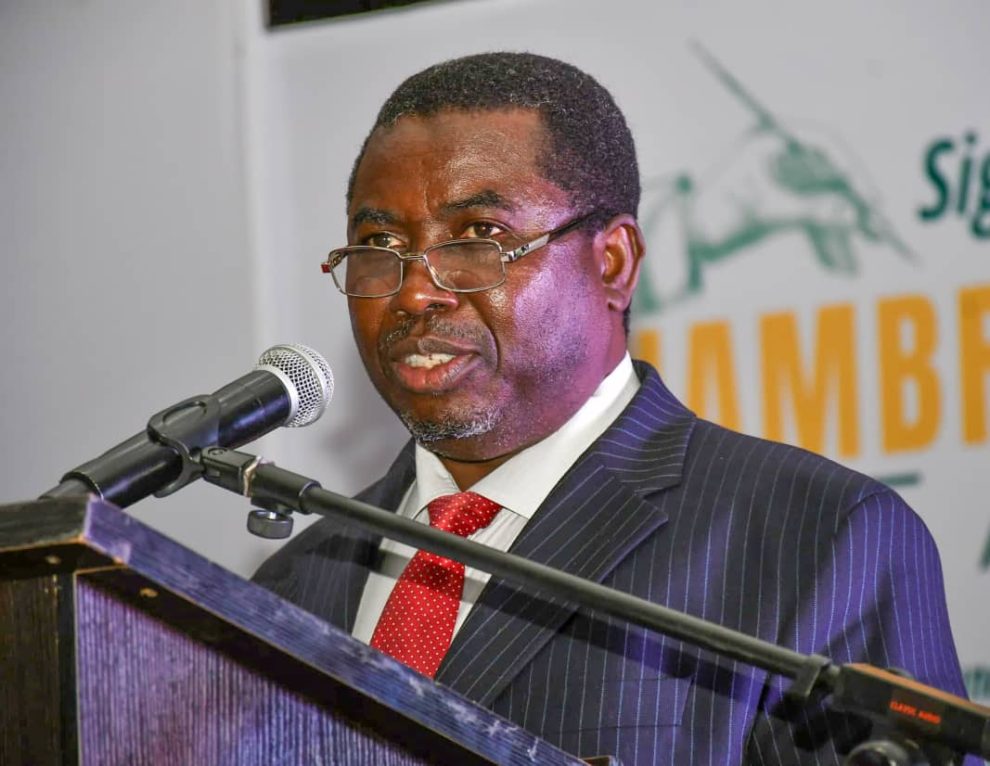

A digital investigation has uncovered a “coordinated disinformation campaign” against Nigeria’s most senior election official, using fabricated social media posts that were proven to be technically impossible.
The Independent National Electoral Commission (INEC) revealed on Monday that its Chairman, Professor Joash Amupitan, SAN, has been the target of a sophisticated impersonation effort on the social media platform X (formerly Twitter).
A viral screenshot had appeared to show the chairman making a partisan comment—stating “Victory is sure”—sparking a firestorm of criticism regarding the commission’s neutrality. However, a multi-layered forensic audit has now proven that the post was a digital forgery.
The ‘Time-Travel’ Error
In a statement issued in Abuja, the Chairman’s spokesperson, Adedayo Oketola, detailed how cybersecurity experts debunked the fraud. The “smoking gun” was a chronological error by the hoaxers: the alleged reply was timestamped 13 minutes before the original post it was supposedly responding to.
Key Findings of the Forensic Report:
- Temporal Impossibility: The “reply” existed before the original post, a feat described as “technically impossible” on the X platform.
- Identity Hijacking: The account was linked to no known email or phone number belonging to the chairman.
- The ‘Pivot’: Once the screenshots went viral, the account was immediately renamed, set to private, and rebranded as a “parody” account.
- Multi-Platform Attack: Investigators identified at least seven additional fake accounts on Facebook and Instagram that used the identity of the chairman.
Analysis: The New Frontline of Election Integrity
In the age of viral misinformation, a single screenshot can do more damage to public trust than a thousand-page report can fix. For INEC, this is not just a case of “fake news”; it is a direct assault on the body’s perceived independence ahead of Nigeria’s 2027 elections.
The use of independent cybersecurity experts marks a shift in how African institutions are fighting back. By moving beyond simple denials and providing technical “receipts”—such as Internet Archive records and OSINT (Open-Source Intelligence) analysis—INEC is attempting to set a new standard for institutional defense. However, as AI tools make digital forgeries easier to create, the battle for the “truth” in Nigeria’s digital town square is becoming an arms race that the authorities are only just beginning to navigate.
Calls for Prosecution
The findings have been handed over to law enforcement agencies, with a formal request for prosecution under Nigeria’s Cybercrimes Act.
Mr. Oketola issued a stern warning to media organisations, urging them to apply “strict forensic verification” before publishing social media screenshots. “Accuracy, not speed, must guide reporting,” he said, noting that the viral nature of content is no guarantee of its authenticity.
INEC has reiterated that the Chairman does not operate a personal X account, and all official communications are disseminated exclusively through the commission’s verified corporate handles.



Add Comment