
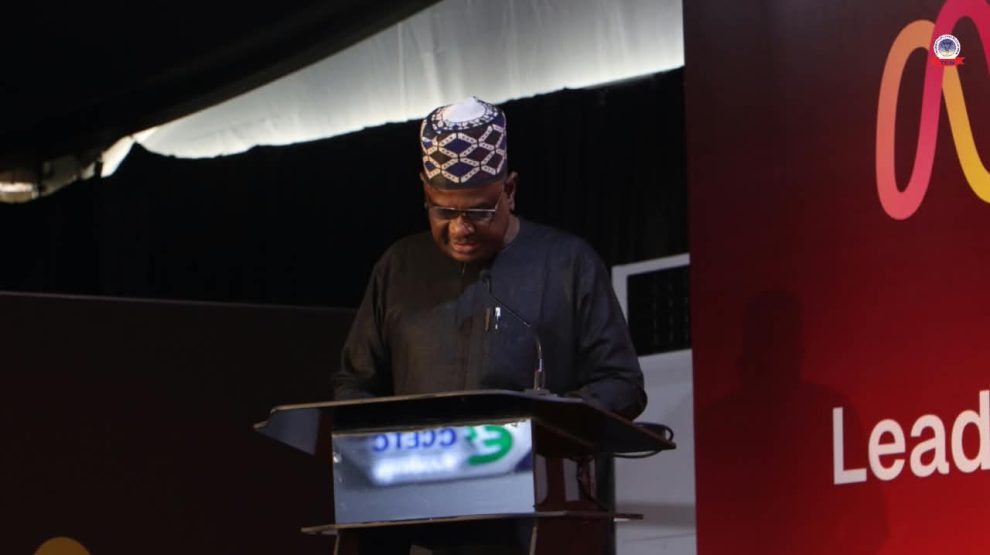

Nigeria needs to pivot from boasting about its theoretical power plant capacity to delivering usable, reliable electricity to homes and businesses, the head of the country’s state power grid company has warned.
Speaking at the 2026 Energy Conference in Lagos, Sule Abdulaziz, Managing Director of the Transmission Company of Nigeria (TCN), outlined a three-step strategy to bridge the stark divide between Nigeria’s energy potential and its reality.While West Africa’s largest economy boasts an installed generation capacity of over 13,000 megawatts (MW), actual daily supply to the grid consistently falls far below that figure—often lingering at a fraction of what is needed to power a nation of more than 200 million people.”Nigeria’s electricity challenge is not simply a question of how much generation capacity has been installed,” Abdulaziz told delegates. “Progress should be measured not by the number of plans produced, but by how much additional electricity becomes available to the grid and reaches consumers.”
The TCN chief set out three immediate priorities to unlock the nation’s idle power
Securing gas supply and plant maintenance: Unlocking dormant generation capacity offers the quickest win. He urged for predictable gas supplies to thermal plants, timely payments across the supply chain, and coordinated maintenance to end frequent plant shutdowns.
Debottlenecking the grid network: TCN’s transmission network currently has a simulated capacity to transfer roughly 8,700MW, though real-world flow remains limited by infrastructure constraints and local distribution bottlenecks. Abdulaziz noted that TCN added 8,500 megavolt-amperes (MVA) of transformer capacity over the past two years, but stressed that real-time digital monitoring and faster fault fixes are urgently required.
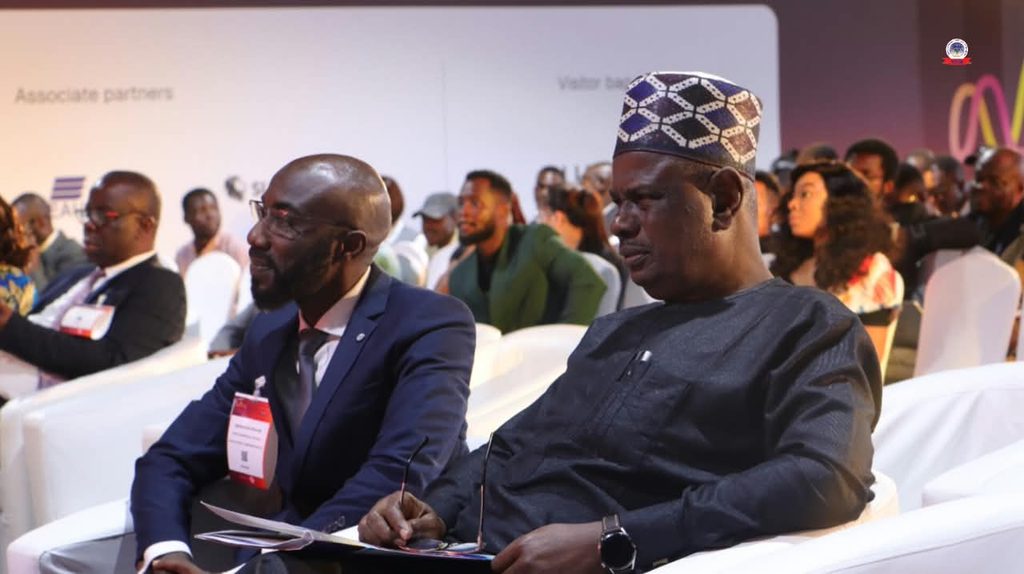
Fixing financial liquidity: The grid chief warned that technical upgrades would crumble without fixing chronic payment defaults across the sector. He called for accurate metering, transparent bill settlements, and strict regulatory enforcement to guarantee that energy generated is actually paid for.
To ensure accountability, Abdulaziz proposed a 100-day public scorecard tracking available megawatts, network bottlenecks, and commercial recovery efforts, with specific deadlines assigned to key institutions.
Nigeria’s power sector continues to face severe structural challenges, including inadequate gas supply to thermal generators, fragile transmission infrastructure, and systemic cash shortages that leave power producers unpaid.


Add Comment