
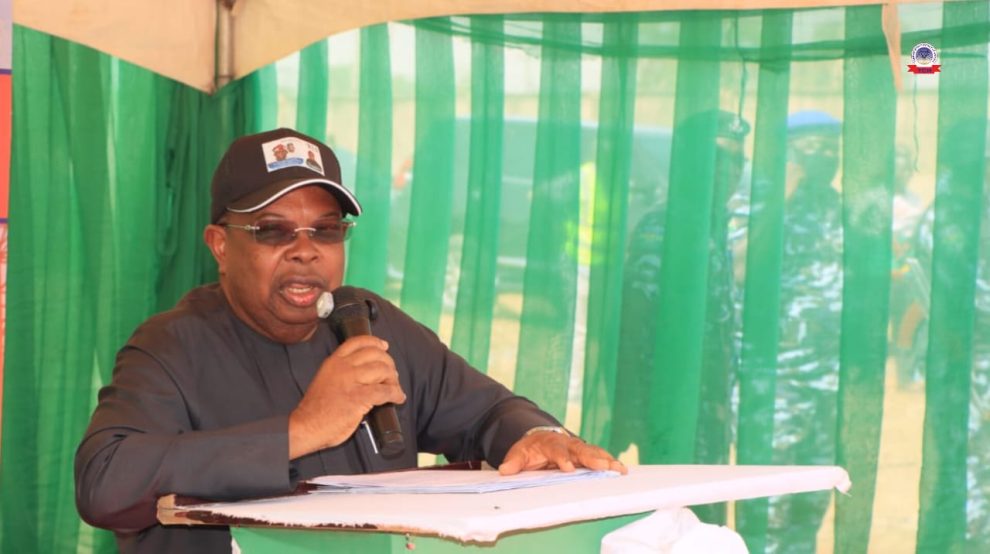

Nigeria has commissioned a major World Bank-backed upgrade to a key electricity transmission substation in the north-eastern state of Bauchi, expanding grid capacity to improve power supply for more than 75,000 additional households.
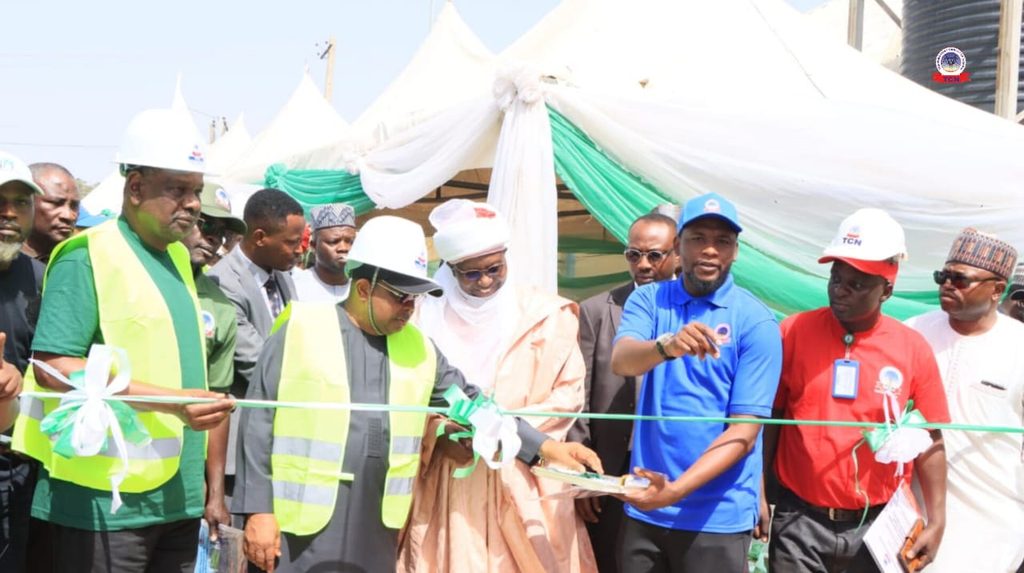
Power Minister Joseph Tegbe inaugurated the expanded Bauchi Transmission Substation on Friday, a day after commissioning similar grid upgrades in neighbouring Gombe State. The project transforms the facility from a 112.5-megavolt-ampere (MVA) station into a high-capacity 330/132/33-kilovolt (kV) hub—raising transformation capacity to 300MVA at the higher voltage level and 180MVA at the lower level.
Officials say the expansion, which links directly into the regional Jos–Gombe high-voltage line, will deliver more reliable electricity to commercial centres, farming communities, and residential areas including Ningi, Dass, and Yankari.
Vandalism threat
The Transmission Company of Nigeria (TCN) said the project—awarded in 2021 to a joint venture of MBH Power and Shreem Electric and completed in June—gives grid operators greater flexibility to route bulk electricity across the region. However, Mr. Tegbe warned that the economic gains could be undermined by infrastructure vandalism, a persistent challenge across Nigeria’s power network. “The cost of vandalism is felt in interrupted trade, lost working hours and disrupted family life,” he told local residents, urging communities to safeguard the facility.
In response, Bauchi State Governor Bala Mohammed, represented by state power commissioner Mohammed Rimin Zayam, pledged to provide security to protect the upgraded site.
Chronic power deficit
The Bauchi and Gombe inaugurations form part of President Bola Tinubu’s broader push to overhaul Nigeria’s fragile national grid—a cornerstone of his administration’s goal to build a $1 trillion economy.
The Emir of Bauchi, Rilwanu Suleiman Adamu, welcomed the project calling on residents to report any suspicious activity around the power station to security authorities.


Add Comment