

Nigeria has called for stronger economic cooperation among African nations and urged immediate diplomatic de-escalation between regional countries on the brink of conflict.
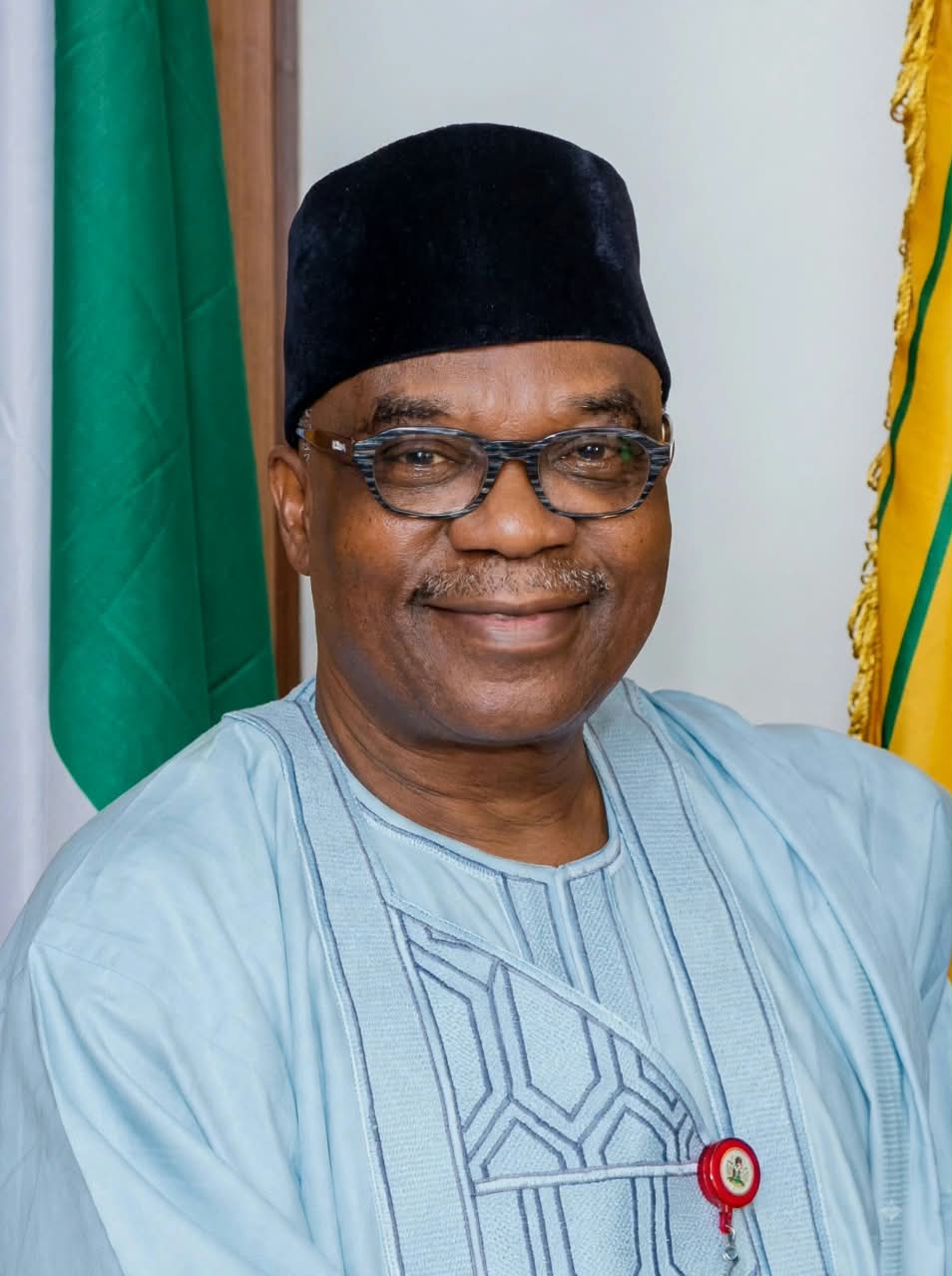
Delivering Nigeria’s national statement on behalf of President Bola Tinubu at the NEPAD Founding Member States’ Summit in Alamein, Egypt, Minister of State for Foreign Affairs Amb. Sola Enikanolaiye emphasized that Africa must take ownership of its economic future amidst growing geopolitical tensions, climate change, and tight global financing.
The summit, hosted by Egyptian President Abdel Fattah El-Sisi, marked the 25th anniversary of the New Partnership for Africa’s Development (NEPAD).
In an apparent reference to rising military tensions between Ethiopia and Eritrea, Nigeria made a direct appeal for sister-nations to halt potential hostilities, warning that sustained economic prosperity is impossible without regional peace and stability.
Key proposals delivered on behalf of the Nigerian presidency include:
- Five-Point Continental Strategy: Nigeria outlined five strategic priorities for NEPAD founding states, focusing on accelerating the African Continental Free Trade Area (AfCFTA), bridging cross-border infrastructure gaps, unlocking local development financing, investing in youth education and technology, and strengthening regional governance.
- Security & Defense Cooperation: To combat rising terrorism and political instability across the continent, Nigeria called for enhanced intelligence-sharing, tighter border security management, and the fast-tracked operationalization of the African Standby Force.
- Institutional Support: The statement commended AUDA-NEPAD leadership for progress under the African Union’s Agenda 2063, while proposing a structured cooperation mechanism among founding states to support regional energy, trade, and food security initiatives.
Reaffirming its commitment to pan-African development, Nigeria urged leaders to transition from policy strategy to direct execution, prioritizing economic integration and peaceful diplomacy to protect the continent’s growing youth population.



Add Comment