
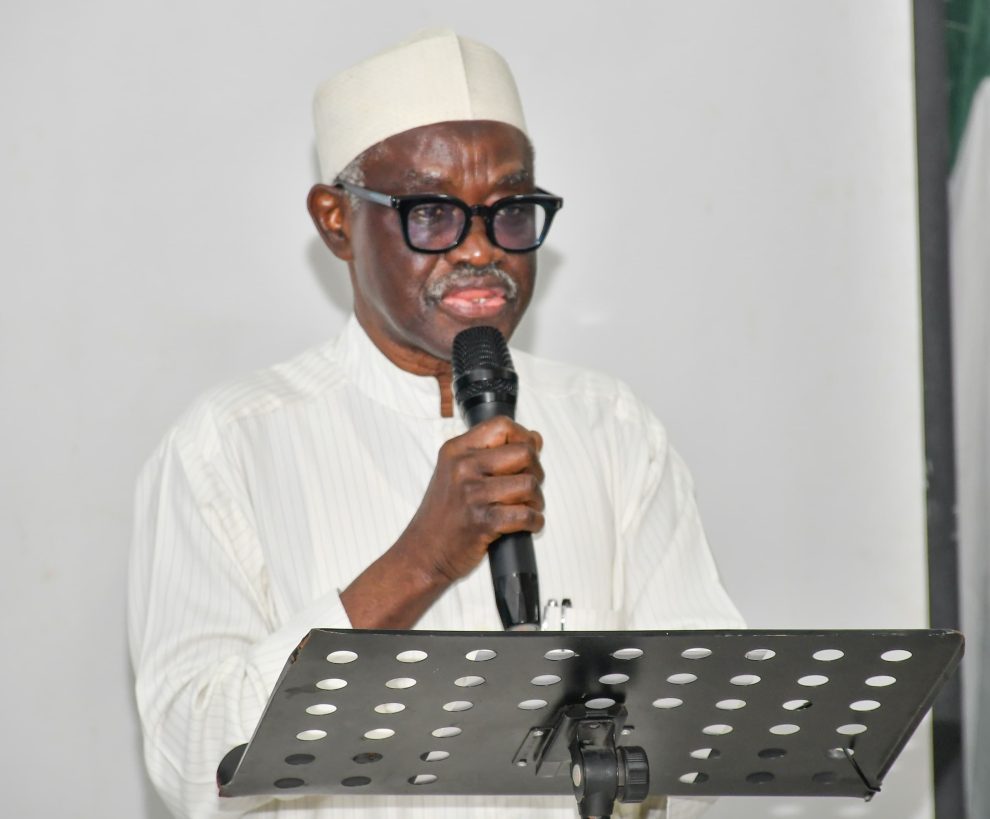

ABUJA — Nigeria’s electoral commission has warned that artificial intelligence-driven misinformation is no longer a distant threat, but an immediate risk to the integrity of the country’s upcoming 2027 general elections.
Speaking on Monday at a training workshop for public affairs officers in the capital, Abuja, Mohammed Haruna, a national commissioner for the Independent National Electoral Commission (INEC), said generative AI was making it cheaper and harder to detect manipulated audio, video, and images. He warned that deepfakes and micro-targeted messaging are increasingly being weaponised to feed conflicting narratives to different groups of voters, threatening to undermine public trust in the democratic process.”Election credibility today no longer depends only on ballot papers, BVAS [bimodal voter accreditation] machines, and result sheets,” Mr. Haruna said, quoting recent remarks by senior INEC officials, adding that it now depends equally on the information environment in which voters form their judgments.
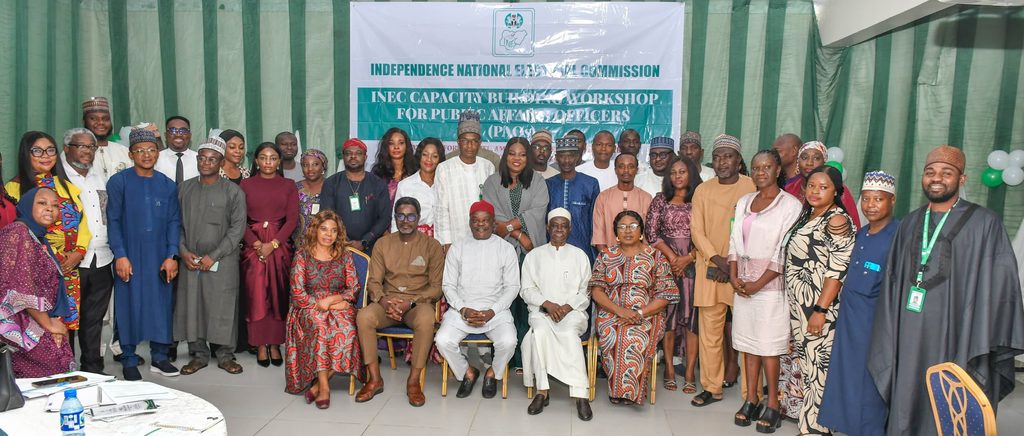
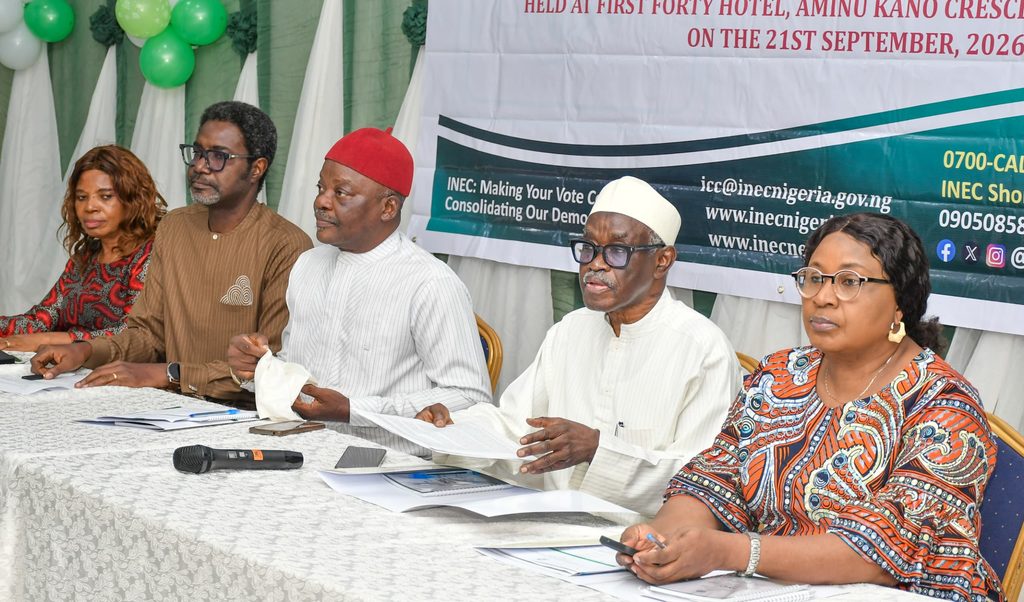
To counter the growing threat, INEC has launched a capacity-building programme designed to equip state-level spokespersons with skills in digital verification, rapid escalation of false claims, and monitoring the online ecosystem.
Victoria Eta-Messi, INEC’s director of voter education and publicity, noted that the commission operates under “constant public scrutiny” and faces continuous attempts to misrepresent its work. She said the training marks the start of a sustained series of capacity-building initiatives supported by international development partners.
Nigeria, Africa’s most populous democracy, has increasingly seen digital misinformation play a central role in recent election cycles, with political actors using social media platforms to spread altered media and false claims to influence voters along ethnic and religious lines.



Add Comment