
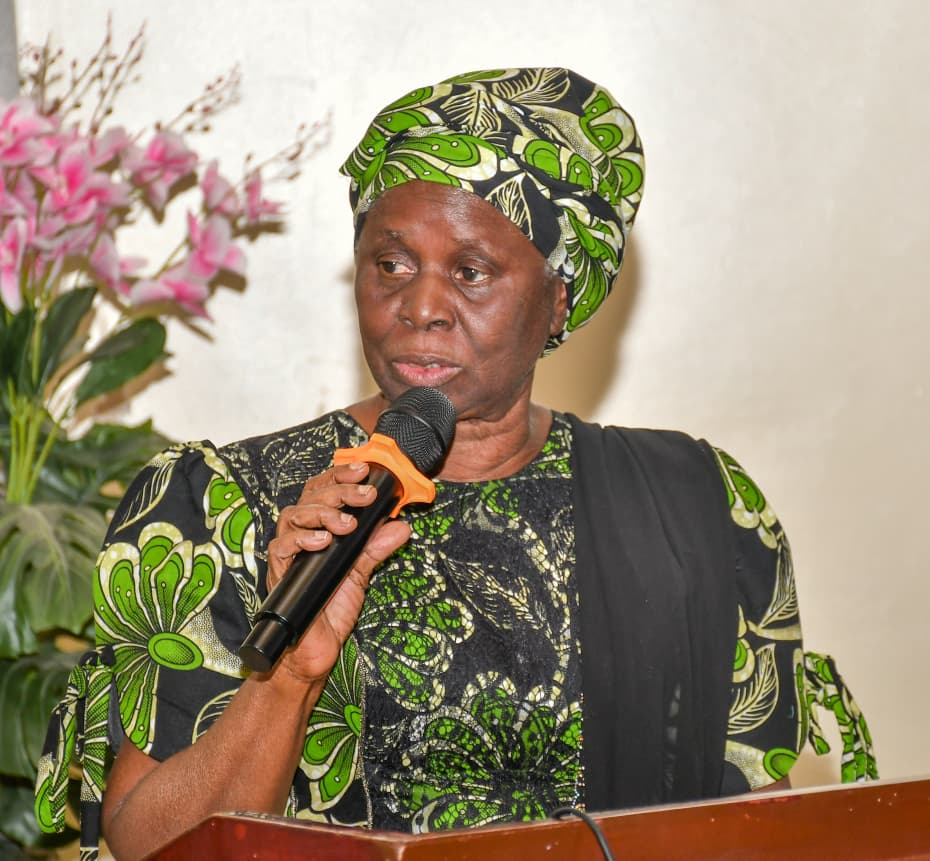

ABUJA — Nigeria’s electoral commission has called on the country’s political parties to move beyond “lip service” and take concrete action to increase the number of women in political leadership ahead of the 2027 general elections.
Speaking at a strategic meeting in Abuja on Wednesday, officials from the Independent National Electoral Commission (INEC) highlighted a stark mismatch between the high number of female voters and their low representation in elected office.
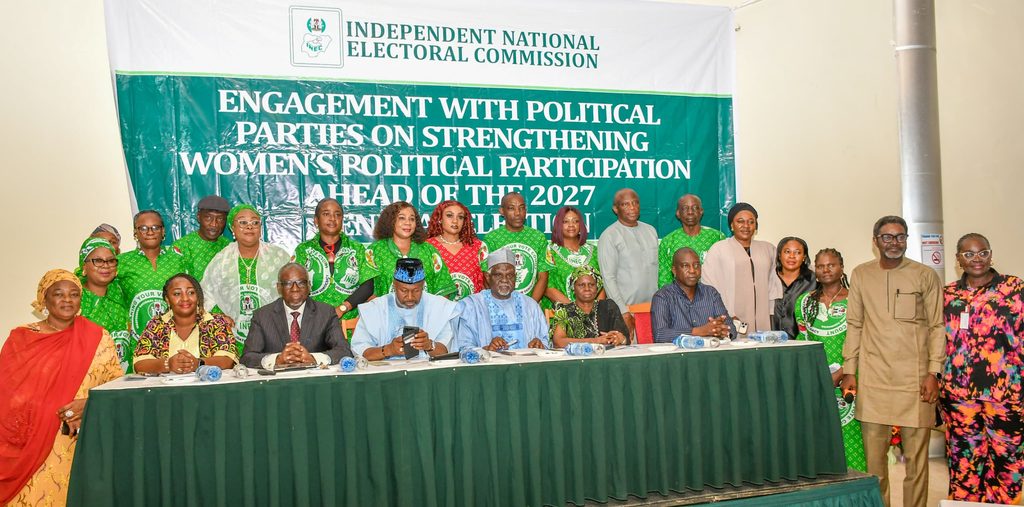
Prof. Rhoda Gumus, representing INEC Chairman Prof. Joash Amupitan, told delegates that the issue went to the very heart of the country’s democratic system.”A democracy that mobilises women as voters but provides limited pathways for them to become political leaders is yet to fully realise its representative potential,” she said.
High voter turnout, few candidates
Data presented by the commission highlighted the depth of the gender gap in Africa’s most populous nation:
Voter Base: Women made up nearly 48% of registered voters in the 2023 general election (44.4 million out of 93.4 million).
New Registrations: In the most recent phase of voter registration ending in July 2026, women accounted for over 52% of new registrants.
Election Candidates: Despite their voting weight, women made up just 10.15% of candidates across major positions in 2023.
Parliamentary Seats: Female representation remains exceptionally low, with women occupying just 2.8% of seats in the Senate and 4.4% in the House of Representatives following the 2023 polls.
Prof. Gumus urged party leaders to review their internal structures and offer genuine support to female candidates through campaign funding, mentorship, security, and media exposure.”The participation of women is not a favour to women. It is a democratic imperative,” she added.
Latching behind regional peers
Delivering the keynote address, legal expert and former INEC director Oluwole Osaze-Uzi noted that Nigeria continues to lag behind much of the continent regarding female political representation. While women make up roughly half the country’s population, they hold around 5% of seats in the National Assembly. Nigeria has never elected a female president or state governor. By contrast, Osaze-Uzi pointed to success stories elsewhere in Africa:
Rwanda: Female parliamentary representation rose from under 5% in 1994 to nearly 64% today.
Senegal: Implemented a binding Parity Law in 2010 to ensure gender balance on candidate lists.
Voluntary Quotas: Adopted by political parties in nations including South Africa, Namibia, Mozambique, and Cape Verde.
Currently, 41 out of 54 African nations utilize some form of gender quota system, leaving Nigeria among the least responsive on the continent.Push for enforceable commitments.
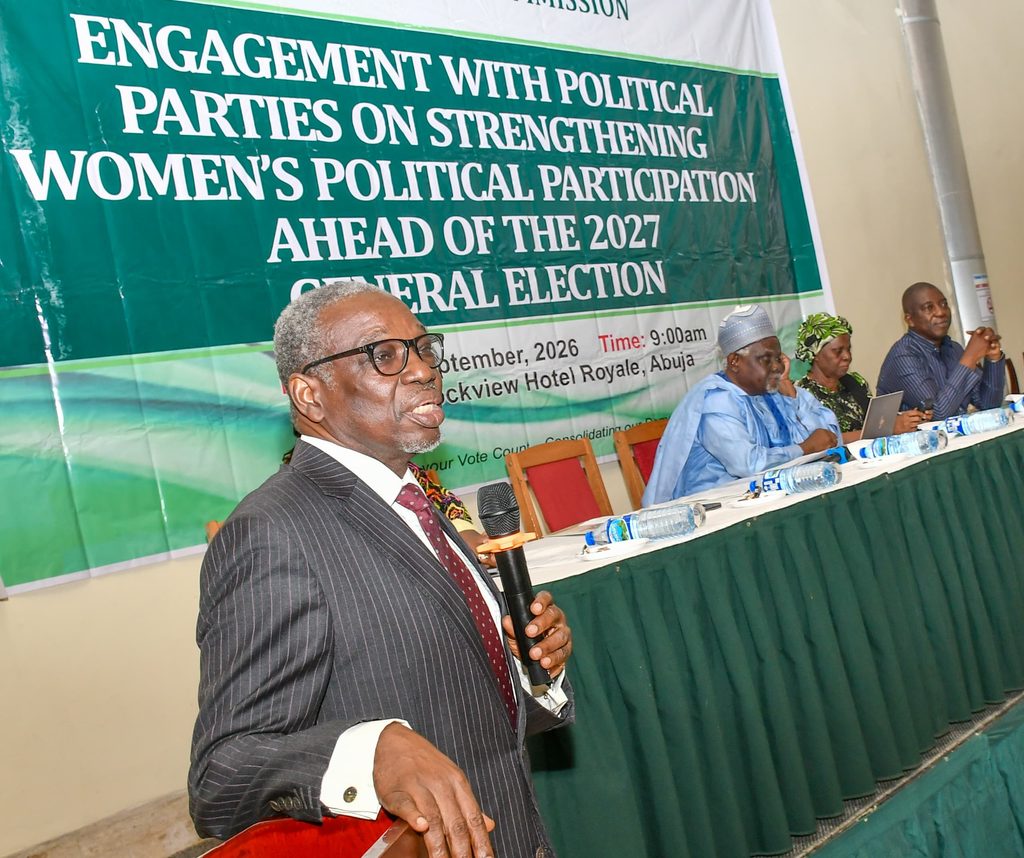
INEC officials stressed that political parties—as the primary vehicles for elective office—bear direct responsibility for addressing the imbalance.
The Abuja gathering, which brought together party executives, civil society groups, and international partners, aimed to secure measurable commitments from parties ahead of 2027 rather than general promises. Organisers outlined key targets, including fairer access to campaign funds, greater protection against political violence and harassment, and stronger enforcement of internal gender policies.

Add Comment