

By BBC News, Abuja
A prominent Nigerian senator has warned that military coups across West Africa are threatening the region’s stability, calling on President Bola Tinubu to step up diplomatic efforts to keep the regional bloc ECOWAS intact.
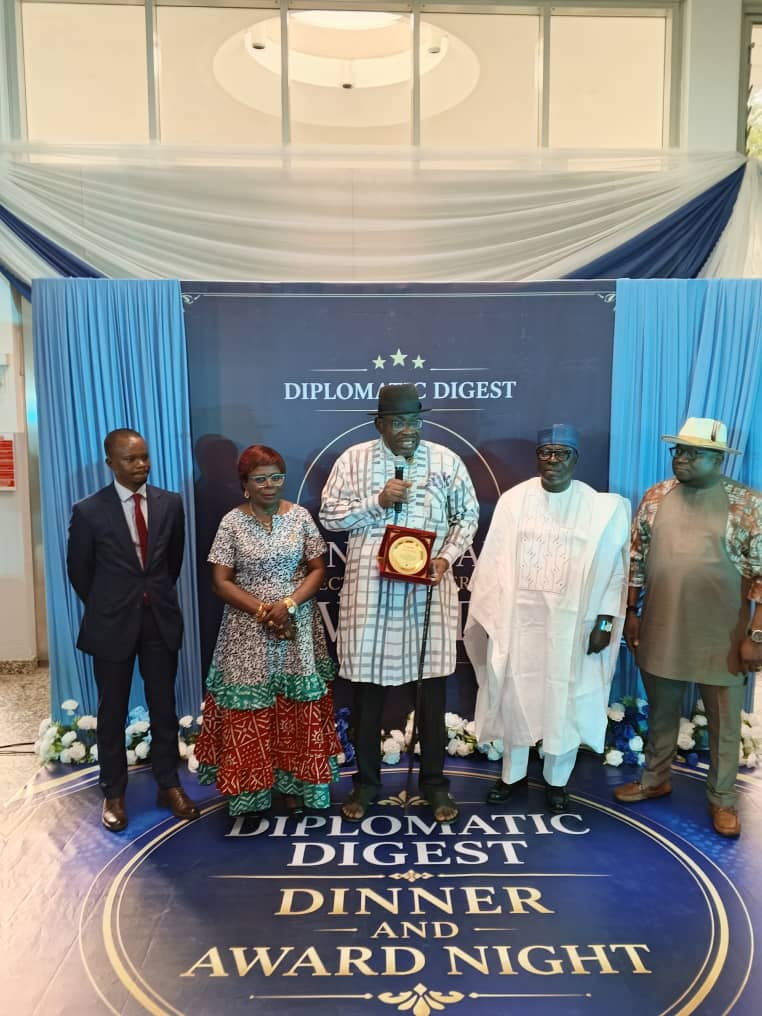
Speaking in the capital, Abuja, Senator Henry Seriake Dickson urged African leaders to protect democratic institutions ahead of Nigeria’s next general elections in 2027. His comments come amid growing geopolitical shifts in the region, where military juntas in Mali, Burkina Faso, and Niger have broken away from ECOWAS, turning away from traditional Western allies and forging closer links with countries like Russia and China.
Regional Friction and Democratic Risks
Addressing diplomats and senior officials, Senator Dickson—who serves as vice-chairman of Nigeria’s Senate Foreign Relations Committee—warned that a fractured West Africa poses severe risks to regional security.”Democracy is not a sprint; it is a marathon. It is the democratic path to development, but there are no shortcuts on that path.” He urged President Tinubu to lead direct diplomatic efforts with the newly formed Alliance of Sahel States—the bloc established by the military leaders of Burkina Faso, Mali, and Niger—to rebuild unity across the sub-region.
Nigeria, Africa’s most populous nation and largest economy, traditionally acts as the diplomatic anchor for West Africa. Senator Dickson warned that any weakening of ECOWAS directly undercuts Nigeria’s standing across the continent.
He also stressed the need to safeguard internal democratic processes ahead of the 2027 presidential poll, calling for strict protection of the independence of Nigeria’s electoral body (INEC) and the judiciary.
The Pivot to Beijing
The event also focused heavily on West Africa’s evolving international partnerships, particularly the continent’s deepening economic ties with Beijing. Delivering a keynote speech on global governance, Professor Sheriff Ghali Ibrahim, head of Contemporary China–Africa Research in Nigeria, argued that African states must take a more strategic approach to Chinese investment. Rather than relying on loans that risk debt dependency, Prof Ibrahim urged African nations to focus on partnerships that guarantee technology transfer, local industrialisation, and infrastructure build-outs.
Representing the foreign ministry, spokesperson Kimiebi Ebienfa added that active international diplomacy remains central to driving foreign direct investment into Nigeria while projecting regional stability.

Add Comment