

President Bola Tinubu has strongly defended his decision to remove the capital city’s administration from the government’s centralized payment system, arguing the move was vital to breaking “bureaucratic strangulation.”
The Federal Capital Territory Administration (FCTA) was exempted from the Treasury Single Account (TSA) in a controversial policy shift aimed at fast-tracking urban development.
The TSA, introduced in 2015 under former President Muhammadu Buhari, requires all government ministries, departments, and agencies to consolidate their revenues into a single account at the Central Bank to curb corruption and ensure transparency.
Speaking on Monday through the Secretary to the Government of the Federation, George Akume, Mr Tinubu said the decision had given city authorities the financial flexibility to access banking credit and accelerate major infrastructure projects.
Overcoming Skepticism
The president noted that the move to grant Abuja financial autonomy had initially faced significant pushback from economic analysts and policy experts.
“There were skeptics. There were those who questioned the wisdom of that financial liberation,” Mr Tinubu said during an event in the capital.
“But we did it because we knew that local administration must have the liquidity, the speed, and the corporate flexibility to deliver critical projects without bureaucratic strangulation. Today, the results are glaring.”
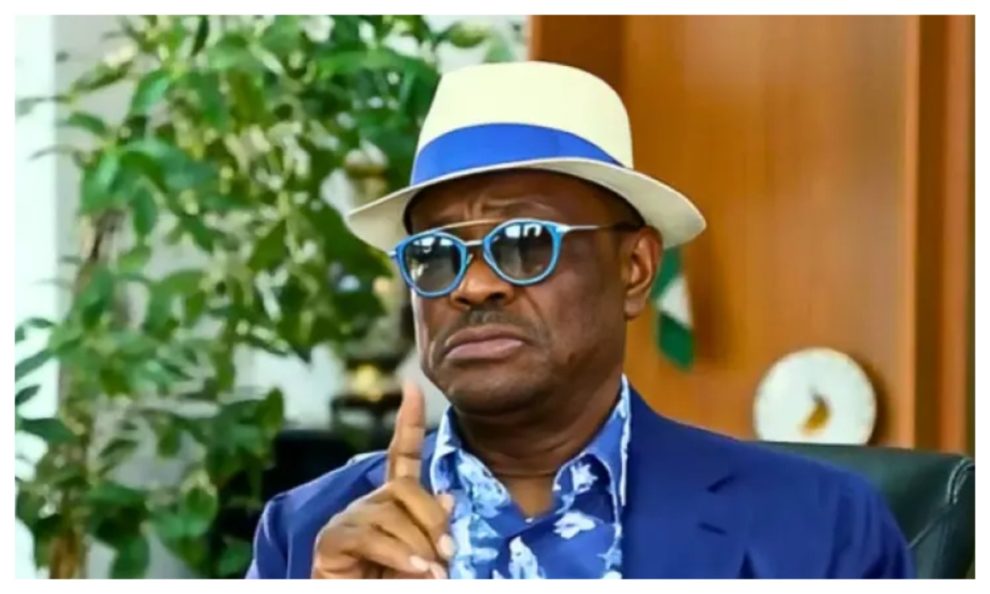
The president used the platform to praise the Federal Capital Territory Minister, Nyesom Wike, claiming that the scale of urban renewal and road construction in Abuja over the last three years had been “unmatched.”
Judicial Infrastructure Under Scrutiny
The statement was delivered during the commissioning of a new office annex for the Body of Benchers and new staff quarters at the Nigerian Law School in Bwari, a suburb of Abuja.
Mr. Tinubu also took the opportunity to push back against critics who argue that his administration’s heavy financial investments in the judiciary—including building courts and judges’ residences—amount to executive interference.
Critics have previously voiced concerns that funding luxurious accommodation and vehicles for judicial officers could compromise the independence of the courts in high-profile political cases.
“Let me be absolutely clear: the provision of infrastructure for the legal community and the judiciary is not an interference in the independence of another arm of government,” the president said, describing the funding as a “collaborative duty.”
The government confirmed it is currently funding several other justice-sector projects, including the construction of a new Court of Appeal division in Abuja, new magistrates’ courts, and the digitisation of the law school’s operations.



Add Comment