
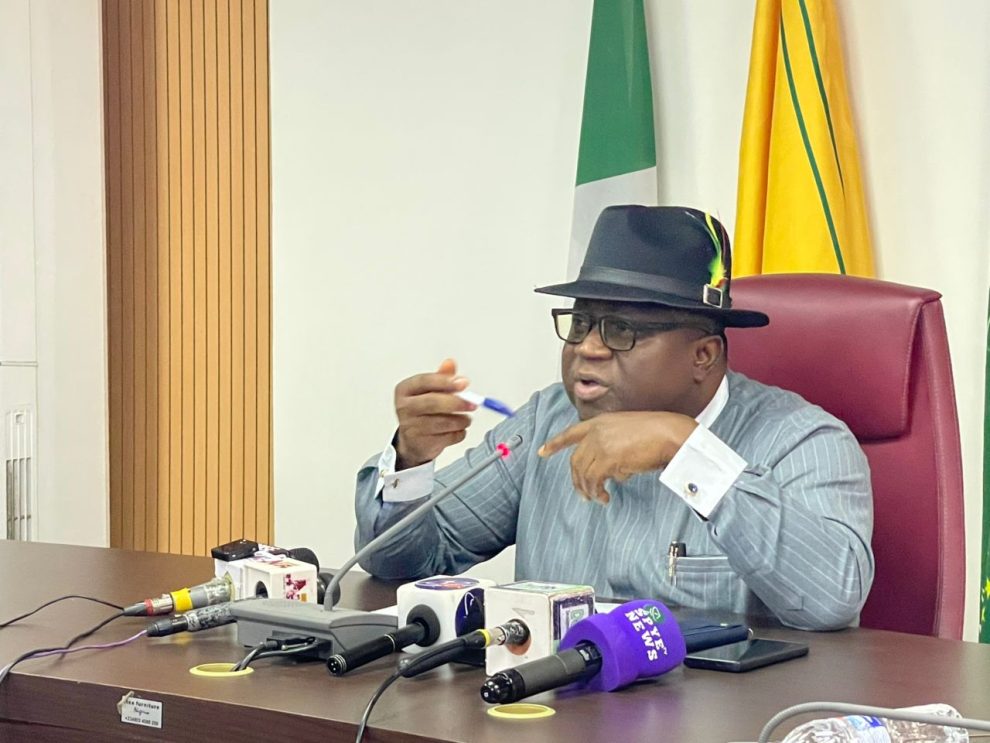

Nigeria has issued a stern warning to individuals and organisations illegally conferring and using the title of “Ambassador,” describing the practice as a criminal offence that threatens national security.
The Ministry of Foreign Affairs (MFA) expressed “grave concern” on Friday over a rise in unscrupulous groups fraudulently granting diplomatic titles to unsuspecting members of the public, often in exchange for money or membership subscriptions.
Under Nigerian law, the ministry clarified, only the President has the prerogative to appoint and accredit ambassadors. Officials warned that anyone found using unauthorised titles, fake diplomatic passports, or illegal vehicle number plates will face immediate prosecution.
A Crackdown on ‘Impersonation’
The government’s statement, signed by ministry spokesperson Kimiebi Ebienfa, specifically targeted “self-proclaimed organisations and foundations” that have built a lucrative business out of selling prestige.
The ministry noted that these “unpatriotic elements” often use counterfeit documents bearing the official insignia of the Federal Republic of Nigeria to bypass security and project a false image of state authority.
Key Prohibitions Issued by the Ministry:
- Illegal Titles: The use of “Ambassador,” “Diplomatic Envoy,” or any other nomenclature by persons not accredited by the President.
- Fake Assets: The use of forged diplomatic identity cards, passports, and embassy-style vehicle number plates.
- The ‘Brand’ Exception: While companies may appoint “Brand Ambassadors” for advertising, these individuals have no legal right to add the title “Ambassador” to their names.
Analysis: The High Cost of Stolen Prestige
In Nigeria, titles carry immense social and political weight. For many, the prefix “Ambassador” is a shortcut to influence, allowing individuals to navigate high-level business circles and navigate security checkpoints with ease.
This latest crackdown is not just about protecting a name; it is about securing the “diplomatic immunity” that these titles represent. If a non-governmental group can sell an ambassadorial title for a fee, the entire currency of Nigeria’s foreign service is devalued. By involving the Nigerian Immigration Service and the Federal Road Safety Corps, the government is effectively closing the loop on a “prestige industry” that has operated in the shadows for years. For the presidency, this is a necessary step to ensure that when a real Nigerian diplomat speaks on the world stage, their credentials are never in doubt.
Inter-Agency Enforcement
The Ministry of Foreign Affairs confirmed it is now working with a coalition of security agencies—including the VIO and the police—to identify and prosecute offenders.
“Ambassadorial titles are not conferred with the payment of money,” the statement clarified, adding that the government remains committed to “protecting the integrity of Nigeria’s diplomatic service.”
As the state intensifies its surveillance of these “honorary” societies, the focus turns to several high-profile socialites and “peace advocates” who have long used the title. The message from Abuja is clear: surrender the fake credentials now, or face the full weight of the law.


Add Comment