
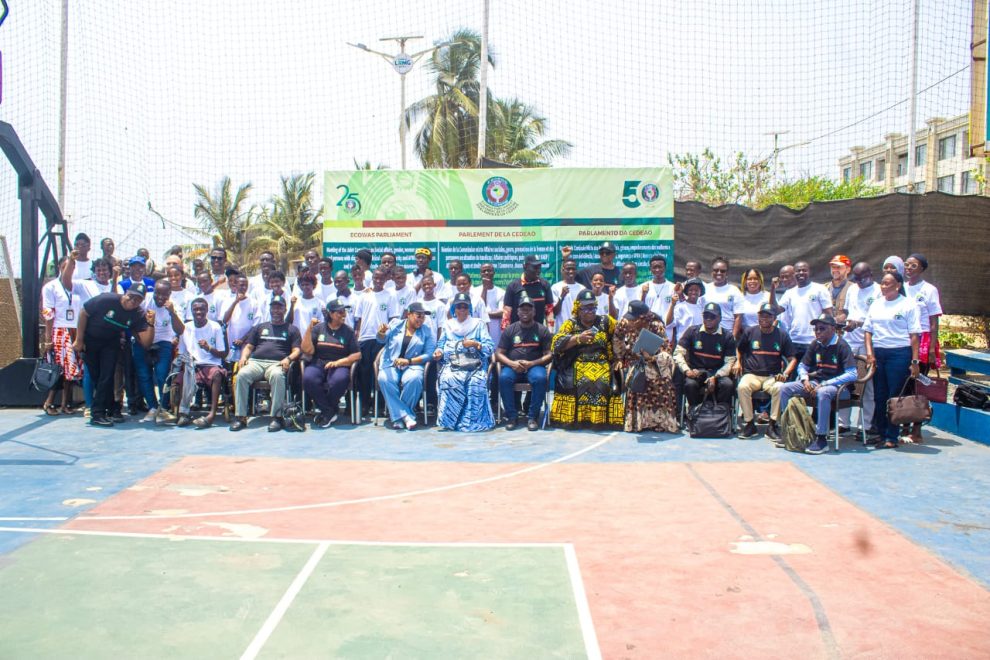

Human rights groups and charities have made an emotional appeal to the West African regional parliament to enact cross-border laws to protect children living on the streets, warning that many are being “lost to death and silence.”
At a public hearing held by the ECOWAS Parliament in Freetown, Sierra Leone, lawmakers were confronted with the harrowing realities of child exploitation, statelessness, and the devastating impact of the synthetic drug known as “Kush.”
The gathering brought together regional MPs and survivors to draft a legislative roadmap aimed at repealing colonial-era loitering laws and ensuring that displaced children are no longer “invisible” to the state.
The ‘Kush’ Crisis and Slave Labour
The atmosphere turned somber as James Tyrell, founder of the charity Laughter Africa, revealed the mounting death toll among the youth he supports. He told the parliament that at least 30 children he knew had died on the streets, with seven fatalities last year alone attributed to the rise of Kush—a potent synthetic substance currently ravaging communities in Sierra Leone.
Mr Tyrell also aimed at a traditional practice known as “men pikin”—a form of informal fostering that he claims has devolved into a system of modern-day slavery.
“Instead of schooling, they are made to be slaves, domestic workers, and street hawkers,” he said. “This is the single biggest factor driving children onto the streets in Sierra Leone.”
The Shadow of Statelessness
One of the most significant legal hurdles identified during the hearing was the issue of legal identity. Justina Conteh, Director of the St. George’s Foundation, warned that thousands of street children are effectively “stateless.” Without birth certificates or documentation, they are barred from accessing healthcare, education, or justice.
The Stakeholders’ Four-Point Mandate for ECOWAS:
- Regional Strategy: A unified cross-border policy to track and protect migrating children.
- Repeal of Loitering Laws: Removing criminal penalties that target children for simply being in public spaces.
- Right to Health and Schooling: Guaranteed access to basic services regardless of their living situation.
- Legal Identity: A regional commitment to provide documentation for every child.
Analysis: A Parliament Under Pressure
For the ECOWAS Parliament, this hearing represents a shift toward “people-centered” legislation. While the bloc has often focused on high-level political stability and trade, the Freetown summit highlights a growing recognition that regional integration is impossible if millions of its youngest citizens remain on the margins.
The call for data-driven policy from Manuel Nascimenio of Guinea-Bissau suggests that lawmakers are finally looking to quantify a crisis that has long been hidden in plain sight. However, the true test will be whether these emotional testimonies translate into binding regional laws that member states are actually willing to enforce.
‘Potential Future Leaders’
Responding to the testimonies, the head of the Sierra Leonean delegation, Veronica Sesay, assured the children that the term “street child” did not define their worth.
“You have the potential to be future leaders,” she told the assembly. She pledged that the concerns raised in Freetown would be conveyed to the ECOWAS Plenary in Abuja for immediate legislative action.
As the session closed, the message from the children was clear: they are no longer asking for charity but for the basic legal rights that would allow them to leave the “darkness” of the streets behind.

Add Comment