


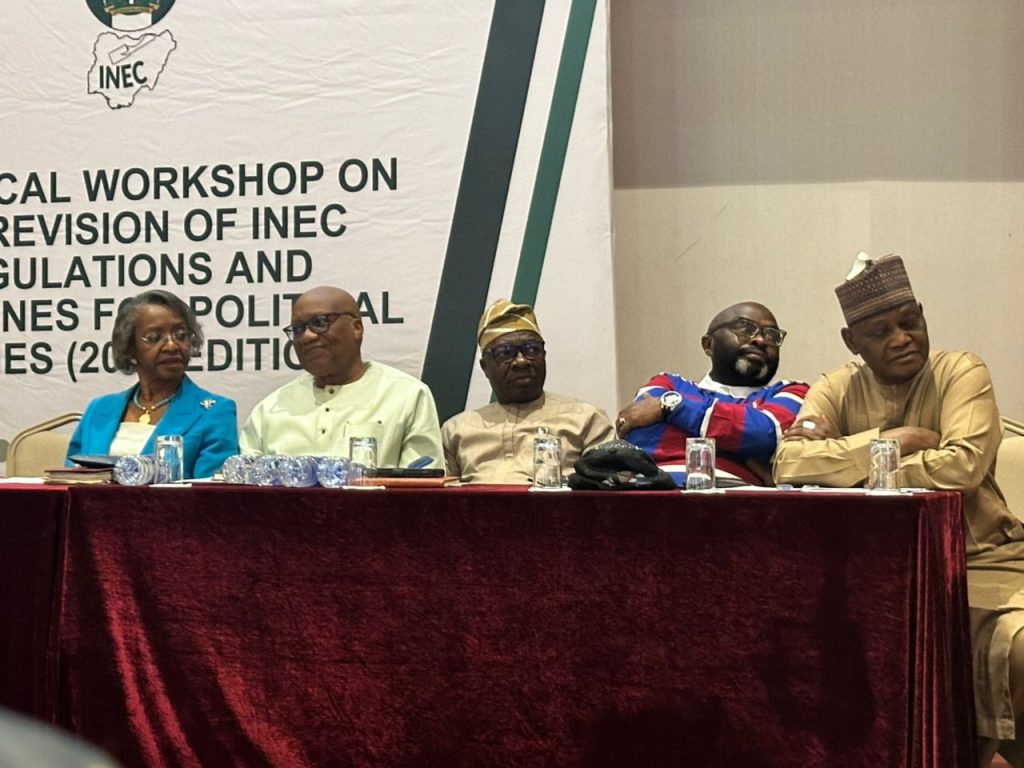
UYO, Nigeria — Nigeria’s electoral umpire has launched a sweeping overhaul of its internal rules, signaling a “get tough” approach toward the country’s political parties ahead of the 2027 general elections. The Independent National Electoral Commission (INEC) began a three-day intensive review in Akwa Ibom State on Wednesday. The move follows the enactment of the Electoral Act 2026, a new piece of legislation that has forced a compressed timeline for the upcoming polls.
A ‘watershed moment’
Opening the session in Ikot Ekpene, INEC Chairman Professor Joash Amupitan described the reforms as a “critical realignment” necessitated by the new legal framework.”We are not just editing a document,” Prof. Amupitan told delegates. “We are ensuring that our electoral architecture is not only robust in theory but strong in practice.”Under the revised calendar, Nigerians will head to the polls earlier than in previous cycles:
16 January 2027: Presidential and National Assembly elections.
6 February 2027: Governorship and State Assembly elections.
Cracking down on ‘opaque’ primaries
A central pillar of the new regulations focuses on how parties select their candidates. INEC has long expressed frustration over “internal democracy”—or the lack thereof—within Nigeria’s political heavyweights.With party primaries set to run between April and May this year, the Chairman warned that non-transparent nominations lead to voter apathy and a “tidal wave” of legal battles that distract the commission from its core duties.”If candidates emerge through opaque processes, we face an explosion of pre-election litigation,” Prof. Amupitan cautioned. The new guidelines are expected to introduce stricter documentation of party membership and greater financial transparency regarding campaign funding.
Mandatory inclusion targets for women, youth, and people with disabilities.
Legal shield
The 2026 Act significantly strengthens INEC’s hand by removing the jurisdiction of courts over certain internal party affairs. This is a strategic move intended to prevent the “judicialization” of politics, where losing aspirants frequently use the courts to stall the electoral process. International partners, including the Westminster Foundation for Democracy (WFD), are supporting the review. WFD’s Nigeria Director, Adebowale Olorunmola, noted that the guidelines are essential to “give bite” to the new law, ensuring parties evolve into truly inclusive institutions.
The commission’s goal is clear: to ensure the “sovereign will” of the Nigerian voter is protected from the moment a candidate is nominated until the final result is declared.




Add Comment