

ABUJA — Nigeria’s Independent National Electoral Commission (INEC) has dismissed viral social media claims that citizens can vote in the 2027 general elections without Permanent Voter Cards (PVCs), while warning that violent political slogans such as “rig and die” put polling staff in danger.
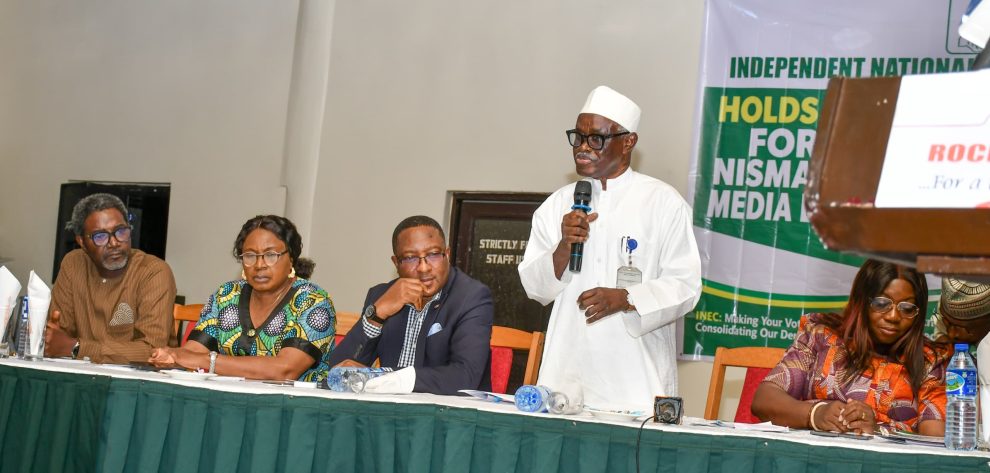
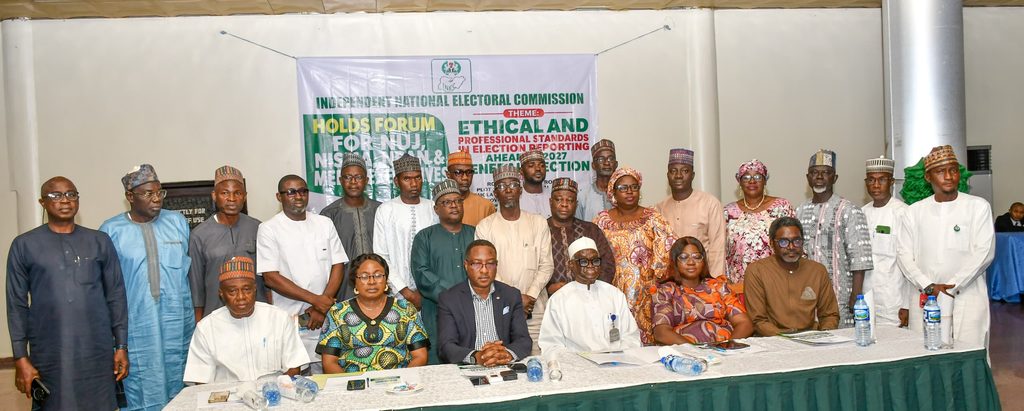
Speaking on Monday, 23 November 2026, at a media ethics forum in Abuja, INEC National Commissioner Mohammed Kudu Haruna—represented by Deputy Director of Information and Publicity Wilfred Ifogah—said rumours circulating largely from anonymous accounts on X falsely suggest that electronic accreditation devices have made physical voter cards unnecessary.
Citing Section 47(1) of the Electoral Act 2026, Haruna stressed that the Bimodal Voter Accreditation System (BVAS) only verifies the card and a voter’s biometrics: “It confirms the voter; it does not replace the card. No PVC, no accreditation; no accreditation, no ballot paper.”
He warned that citizens who leave their cards behind—or fail to collect them—would be turned away on election day, risking anger, long queues, and confrontation across thousands of polling units.
Warning over ‘rig and die’ rhetoric and AI disinformation
Alongside the voter-card warning, the commission raised alarm over escalating hostility ahead of presidential and parliamentary polls on 16 January 2027 and governorship elections on 6 February 2027:
- Dangers of Mob Justice: Haruna condemned the growing use of the phrase “rig and die”, warning that ordinary Nigerians serving as presiding officers and ad hoc staff are most exposed if an angry crowd mistakes a technical glitch or delayed result for fraud. Citing the constitutional right to life, he urged aggrieved parties to pursue legal remedies, security agencies, and transparent uploads on the INEC Result Viewing (IReV) portal.
- Deepfakes and Turnout: Highlighting AI-generated falsehoods during August’s Osun state election and widespread vote-buying in Ekiti in June—as well as the 26.72% turnout in the 2023 presidential vote—Haruna reminded journalists that circulating cloned voices or doctored images violates the Cybercrimes Act, urging newsrooms to verify viral claims with INEC before publishing.
- Nationwide Mock Exercise: To test its systems ahead of January, INEC will conduct a nationwide mock accreditation and result-transmission exercise on Saturday, 28 November, between 08:30 and 14:30 local time across two polling units per registration area in all 36 states and the capital, Abuja.
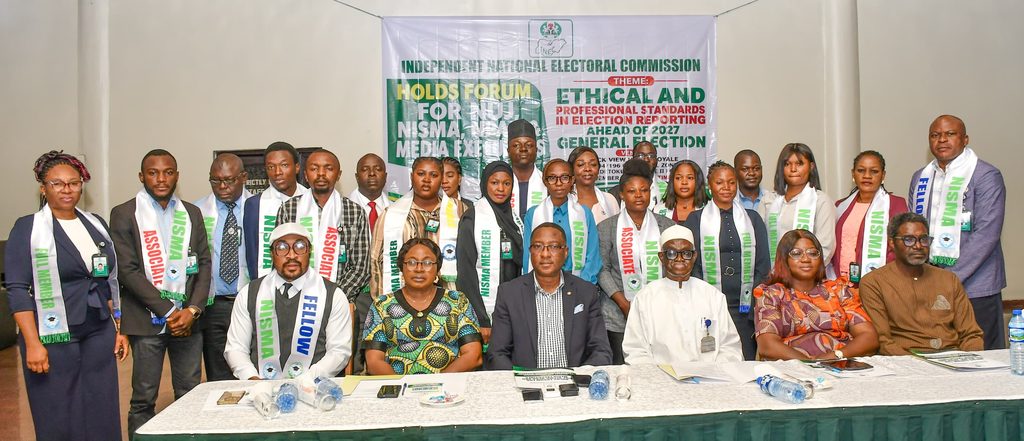
Representatives of the Nigeria Union of Journalists (NUJ) and the Nigerian Institute of Social Media Analysts (NISMA) backed the push for stricter fact-checking, with NISMA National Coordinator Christian Eze cautioning that online users bear direct responsibility for electoral integrity because people too often amplify “what is emotionally powerful” rather than what is true.



Add Comment