

Nigeria has commissioned a major expansion of its electricity transmission network in the north-eastern state of Gombe, doubling capacity at a key regional hub to improve power supply for tens of thousands of households.
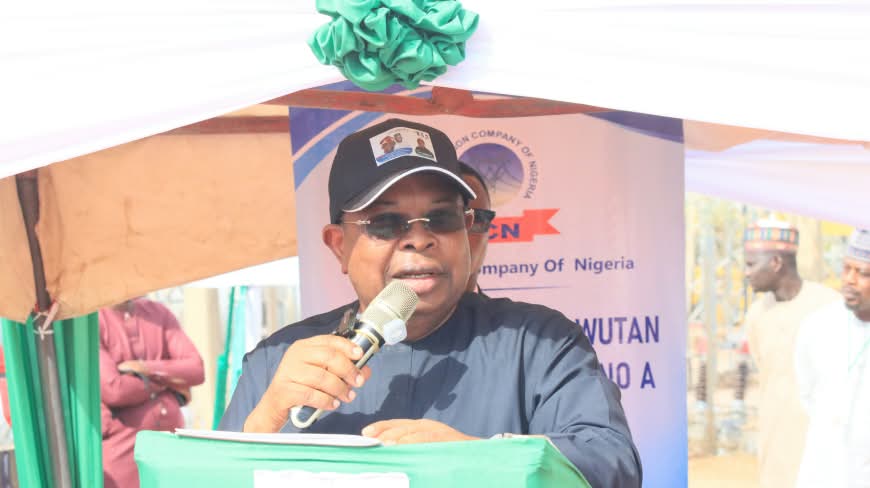
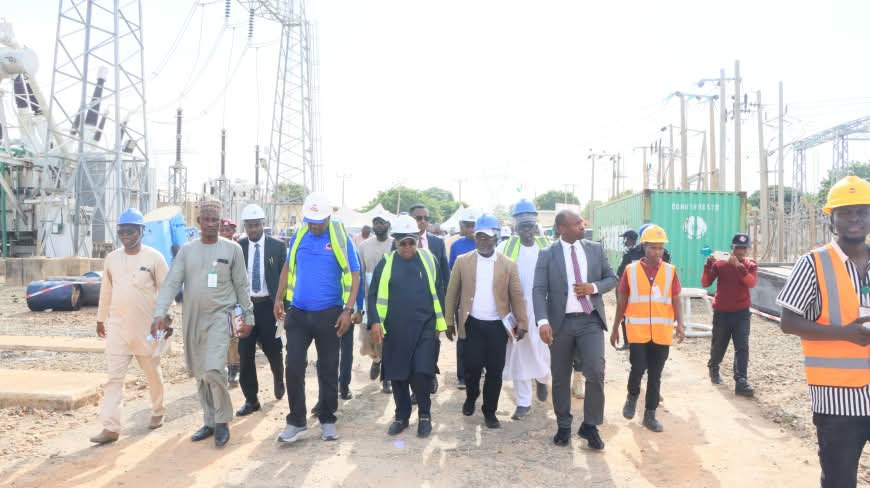
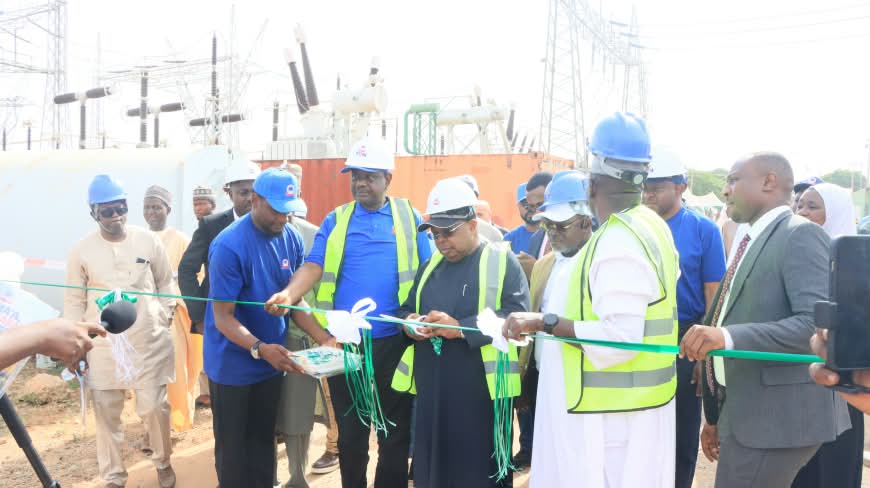
Power Minister Joseph Tegbe inaugurated a new 120-megavolt-ampere (MVA) substation in the town of Billiri, alongside newly installed 300MVA and 100MVA transformers at the main Gombe transmission substation.
The upgrades, completed in June and formally commissioned on Thursday, add 240 megawatts (MW) of capacity at the high-voltage 330-kilovolt (kV) level and 176MW at the 132kV level.Officials say the expansion will stabilise supply across Gombe and neighbouring states—including Yobe and Adamawa—which have long suffered from chronic power shortages and frequent grid collapses.
Your assets
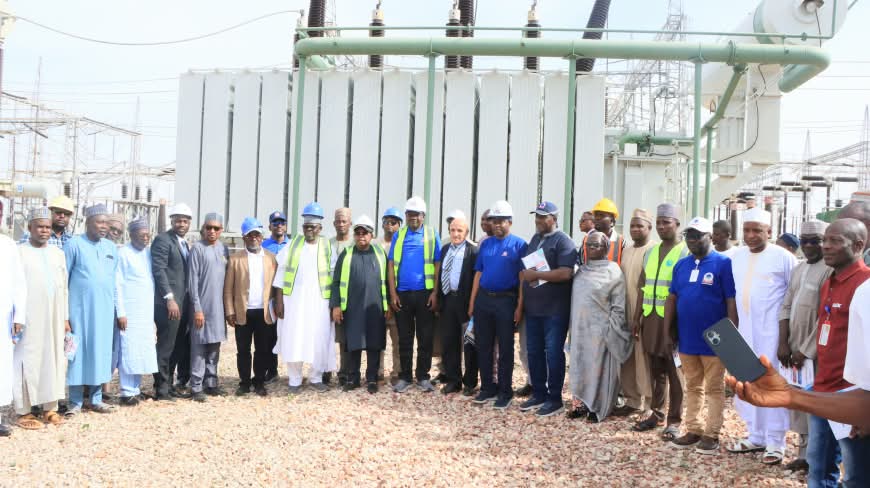
Speaking at the commissioning in Billiri, Mr. Tegbe said the new facility—which adds roughly 96MW of capacity to the local grid—was designed to unlock the economic potential of farming and commercial communities that have been held back by inadequate electricity. However, he warned that the gains could be undone by vandalism, a persistent threat to Nigeria’s power and oil infrastructure.”This equipment you have here are your assets. They’ve been built for you and for your use,” Mr. Tegbe told local residents. “You must take care of these facilities. Keep these facilities safe.”At the main Gombe substation, the installation of the 300MVA unit doubles high-voltage transmission capacity from 300MVA to 600MVA, while the 100MVA transformer replaces an older, smaller 30MVA unit.
The Transmission Company of Nigeria (TCN) said the project, first awarded in 2021, is expected to connect or improve power for more than 70,000 additional households.
Distribution bottleneck
TCN Managing Director Sule Ahmed Abdulaziz said the upgrades give grid operators greater flexibility to route electricity through the north-east, and urged the regional utility, the Jos Electricity Distribution Company, to take full advantage of the increased capacity.
Nigeria, Africa’s most populous nation, generates only a fraction of the electricity needed by its more than 200 million people, forcing households and businesses to rely heavily on expensive petrol and diesel generators. Even when transmission capacity is expanded, local distribution companies often struggle to deliver the power to consumers due to ageing local networks and billing disputes—a challenge President Bola Tinubu’s administration has sought to address through market reforms enacted under the 2023 Electricity Act. Local leaders welcomed the projects. The traditional ruler of the Tangale Chiefdom, Alhaji Danladi Sanusi Dalandi, said a more reliable power supply would boost local businesses, attract outside investment, and improve healthcare and education services in the region.




Add Comment