

Nigeria’s flagship programme to transition motorists away from expensive petrol has acknowledged that “progress on paper” has yet to translate into lower daily fares for ordinary commuters.
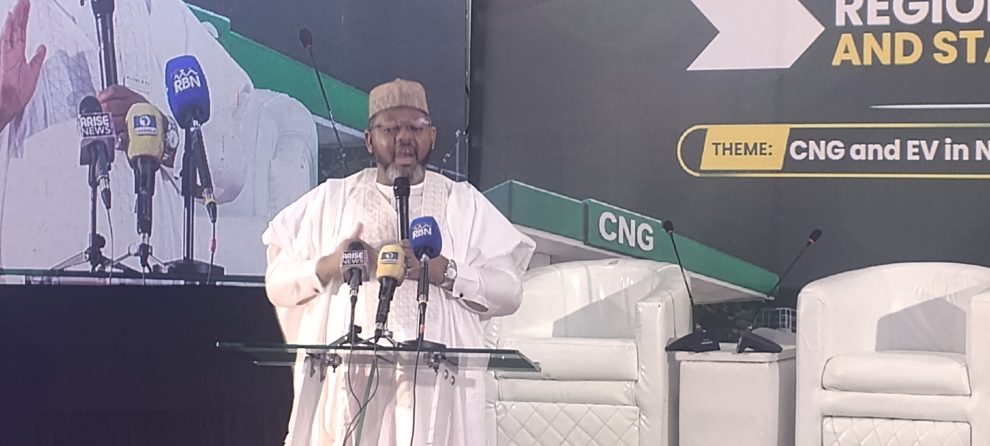
Speaking at a stakeholder meeting in the capital, Abuja, on Monday, the head of the Presidential Initiative on Compressed Natural Gas and Electric Vehicles (Pi-CNG & EV) said public trust in cleaner transport depended on visible, everyday benefits.”It is not enough to speak about lower operating costs if passengers are not yet seeing any difference in what they pay on the routes they use every day,” the agency’s executive chairman told transport operators, investors and regulators.
The initiative was launched by President Bola Tinubu’s government to cushion the economic shock of scrapping long-standing fuel subsidies in 2023—a move that caused petrol and transport prices to soar across Africa’s most populous nation.
Originally focused on converting petrol vehicles to run on Nigeria’s abundant natural gas reserves, the agency’s remit has since expanded to include electric vehicles (EVs). While officials point to a growing network of conversion centres, newly trained technicians and rising private-sector investment, the agency admitted that commercial drivers remain hesitant to make the switch.”A commercial driver who has used petrol all his working life will not change simply because government says CNG is cheaper,” the chairman said. He added that motorists needed guarantees around vehicle reliability, conversion times and easy access to refuelling stations and EV chargers. Describing energy choices as deeply ingrained habits, the agency said its next phase would focus on scaling up infrastructure so that alternatives are accessible, affordable and trusted.”Public policy cannot be judged only by the amount of infrastructure announced or the level of investment attracted,” the chairman said.”The real test is whether the benefit gets to the driver, the commuter, the small business owner… whose daily expenses are affected by the cost of movement.”
Officials said Monday’s talks were aimed at gathering candid feedback on persistent bottlenecks—including conversion costs, gas supply, safety standards and charging gaps—as the government attempts to speed up the rollout nationwide.



Add Comment