
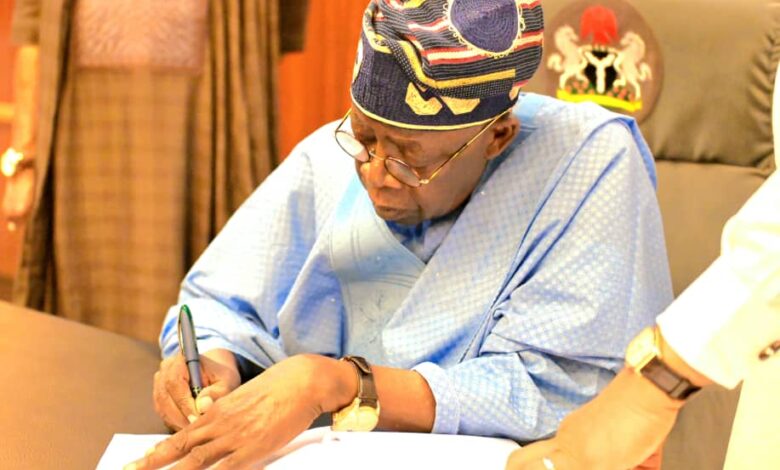

ABUJA — Seventy-eight suspects detained following an attack on Nigerian President Bola Tinubu’s motorcade in Abuja are to be released after the President granted them clemency, the Federal Capital Territory (FCT) Police Command has announced.
In a statement issued on Monday by command spokesperson Josephine Adeh, police confirmed that the arrests followed a Friday afternoon incident on 13 November, shortly after President Tinubu observed Jumu’ah prayers at a mosque in Abuja’s Garki District.
According to the police, crowds pelted the departing convoy with stones and other projectiles, damaging several official vehicles and injuring security operatives. A joint security task force subsequently carried out intelligence-led raids across the district, taking 78 people into custody.
“Following the extension of presidential clemency to the individuals involved in the attack, the Presidency directed that the suspects arrested in connection with the incident be warned and released,” Adeh stated, adding that administrative release procedures were under way.
Conflicting accounts and pre-election security warning
Monday’s police disclosure marks the first official confirmation of the security breach, which the Presidency had initially disputed on the day of the incident:
- Initial Denial vs. Viral Footage: On Friday, Tinubu’s Senior Special Assistant on Digital Engagement, O’tega Ogra, dismissed reports of the stoning as opposition propaganda, sharing footage of the President departing calmly. However, opposition figure Dino Melaye later circulated a viral video showing youths hurling stones at a convoy while chanting “Ba ma yi, ba ma so”—a Hausa phrase meaning “we don’t want you; we don’t support you.”
- 2027 Election Caution: FCT Commissioner of Police Ahmed Sanusi warned political actors and supporters against public disorder and incitement as campaigning intensifies ahead of the 2027 general elections, directing divisional commanders and tactical units to heighten surveillance across the capital.


Add Comment