
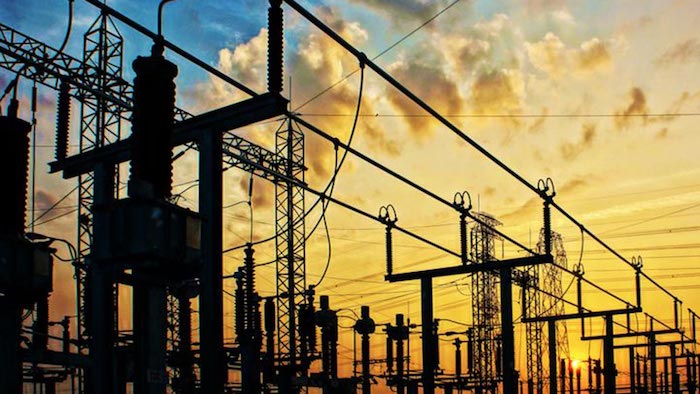

ABUJA — Power generation across Nigeria’s national grid has plummeted, plunging households and businesses into severe electricity shortages amid intense weather conditions.
The Nigerian Independent System Operator (NISO) announced on Thursday that the nationwide decline is driven by twin constraints: a severe shortage of gas supplies to thermal power plants and reduced water levels in hydroelectric reservoirs.
“The current decline in electricity generation on the national grid is primarily attributed to constraints in gas supply to thermal power generating stations and reduced output from hydroelectric power stations,” NISO stated.
The shortfall has drastically reduced the power allocations distributed to electricity distribution companies (DisCos), forcing widespread load-shedding and shorter supply hours across the country.
Intense heat and economic strain
The collapse in grid stability coincides with soaring temperatures, intensifying demand for cooling appliances such as fans and air conditioners in homes and public facilities.
Small businesses—including micro-enterprises dependent on continuous electricity for refrigeration, water pumping, and daily operations—have been hit hardest, forcing many to rely heavily on expensive petrol and diesel generators to stay afloat.
Compounding the crisis, climate monitoring agencies have warned of the unfolding impacts of an active El Niño weather pattern. The Nigerian Meteorological Agency (NiMet) confirmed in August 2026 that a strong El Niño event had developed, while the World Meteorological Organization projected that the phenomenon would persist into early 2027, heightening temperatures and altering seasonal rainfall across the region.
System vulnerability and mitigation efforts
Nigeria’s electricity grid remains heavily dependent on gas-fired thermal plants supplemented by hydropower stations, exposing the entire infrastructure to systemic vulnerabilities whenever fuel supply or hydrological levels fluctuate.
In response to the crisis, NISO acknowledged the widespread hardship caused by the generation deficit and assured the public that operators are working to optimize available dispatch and secure grid stability.
“While we are actively working on the diversification of our energy mix for the national grid to ensure security of supply, NISO remains committed to maintaining grid stability,” the operator stated, highlighting the urgent need to expand alternative energy investments to prevent recurring grid failures.



Add Comment