
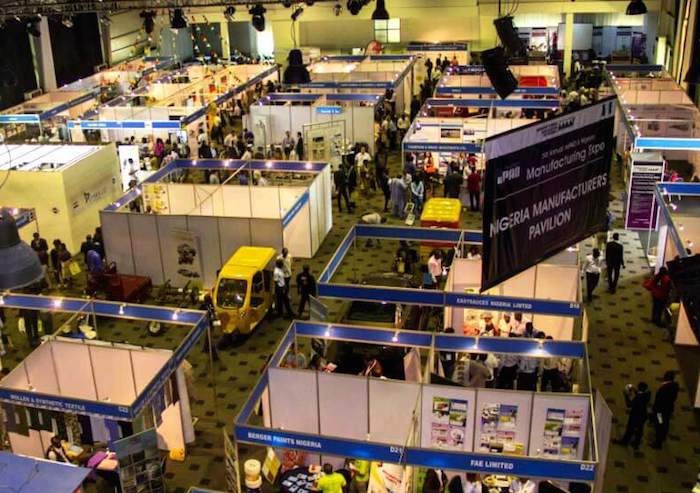

A pro-government media group in Nigeria says President Bola Tinubu’s economic policies are successfully driving local manufacturing and attracting record investments.
The Tinubu Media Volunteers (TMV) said in a statement that recent reforms have encouraged Nigerian manufacturers to embrace “backward integration”—a strategy focused on sourcing raw materials locally rather than relying on expensive imports.
Citing data from the Manufacturers Association of Nigeria (MAN), the group highlighted that investments in the manufacturing sector surged by 102% to reach 1.33 trillion naira ($1.33bn) in 2025, up from 658.81 billion naira the previous year.”The surge in investments is traceable to aggressive backward integration and expansion of local production capacity by manufacturers,” the TMV statement signed by Chairman Chukwudi Enekwechi and Secretary Segun Ogedengbe read.
Cutting foreign dependence
According to the group, the shift toward local sourcing comes as manufacturers seek to protect themselves from foreign exchange volatility and lower operational costs. Rising production and logistics expenses have increasingly forced local industries to strengthen domestic supply chains instead of importing inputs. The TMV backed proposals from manufacturers calling on the Nigerian government to further bolster local production through supportive procurement policies and targeted incentives.”We believe that the positive results coming from the manufacturing sector are a direct result of the economic reforms the Tinubu administration introduced at its inception,” the group added, noting that the long-term goal remains boosting exports and fostering sustainable economic growth.
Background
Since taking office in May 2023, President Tinubu has launched a series of bold economic measures, including the removal of a long-standing fuel subsidy and the unification of exchange rate windows.
While the reforms initially triggered sharp price increases and widespread hardship, the government maintains that the policies are essential to modernise Africa’s largest economy and attract foreign investment.

Add Comment