
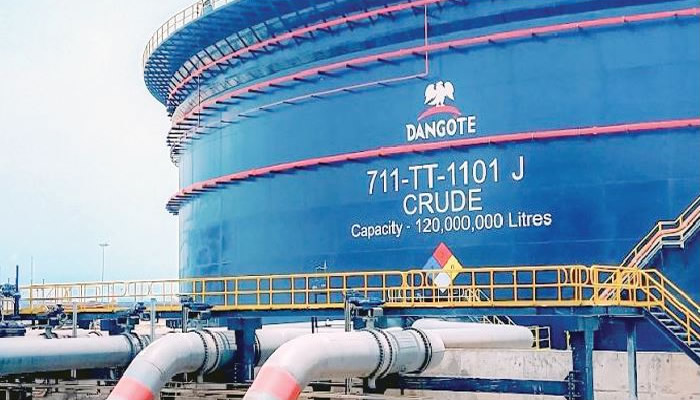

The public share offer for the Dangote Petroleum Refinery has been oversubscribed by up to four times its target, according to the founder of the Nigerian industrial conglomerate.
Aliko Dangote, President of the Dangote Group, said demand for the company’s initial public offering (IPO) had exceeded expectations, even as the closing date for the offer was extended by two weeks to encourage wider African participation.
While the company has not confirmed a final subscription figure, a fourfold uptake of the total offer value—calculated at 2.15 trillion Nigerian naira ($1.3bn / £1bn)—would bring total subscriptions to around N8.61tn.
The IPO, which comprises 4.1 billion ordinary shares priced at N525 per share, is one of the largest equity offerings in Africa’s recent corporate history.
Widening African ownership
The offer was originally set to close on Tuesday, 13 October, but has now been extended to 27 October following approval from Nigeria’s Securities and Exchange Commission (SEC).
Mr. Dangote stated that the delay was not intended to raise additional capital, but to allow investors from other African nations time to complete regulatory and verification processes.
“When it comes to the amount of money we originally intended to raise, we have already received subscriptions amounting to more than three or four times that figure,” Mr. Dangote said in a statement on Monday.
“It is not about the amount of money. It is about the number of people who will have the opportunity to participate in this offer.”
He added that discussions were ongoing with regional markets, including the Nairobi Securities Exchange, to establish cross-border investment mechanisms such as unsponsored depository receipts.
David Bird, Managing Director and Chief Executive Officer of Dangote Petroleum Refinery, welcomed the regulator’s decision, stating that the extension aligns with the company’s ambition to allow investors across the continent to share in its long-term growth.
The $20bn refinery, situated on the outskirts of Lagos, is Africa’s largest single-train oil refinery and is viewed as a pivotal project for reducing the continent’s reliance on imported refined petroleum products.



Add Comment