
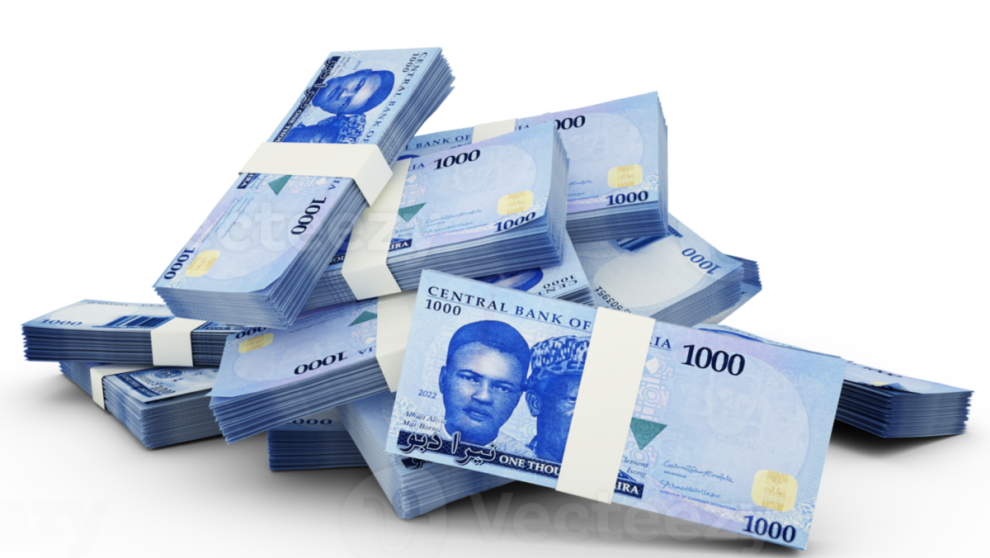

A pro-government political group has linked the Nigerian naira’s relative resilience during recent African market turmoil to economic reforms introduced by President Bola Tinubu.
The Tinubu Media Volunteers (TMV) issued a statement praising the currency’s performance following the release of the World Bank’s October 2026 Africa Economic Update.
The World Bank report, which evaluated exchange rate fluctuations across 22 African nations outside the CFA franc zone, noted that the naira experienced a maximum depreciation of 2.6 per cent between March and June 2026.
The World Bank highlighted that the currency held firm relative to several peers despite severe global headwinds, including elevated energy prices, geopolitical instability, foreign capital outflows, and sustained demand for the US dollar.
Reform momentum and export growth
In a joint statement, TMV Chairman Chukwudi Enekwechi and Secretary Segun Ogedengbe argued that policy interventions under the Tinubu administration have fortified the local currency and enhanced export competitiveness.
“We are confident that the positive performance of the naira is a result of the economic policies and measures put in place by the President Tinubu administration,” the group said.
“Such measures have made the naira resilient while Nigerian exports have become competitive. Higher productivity has allowed exporters to sell products overseas, earning Nigeria more foreign exchange and strengthening the currency.”
Broader economic context
The World Bank’s report noted that higher crude oil prices helped cushion Nigeria and other oil exporters from the sharp exchange-rate pressure felt by net oil-importing African nations during the second quarter.
While the report pointed to signs of macroeconomic stabilization, international development institutions continue to urge Nigerian authorities to maintain structural reforms and strengthen fiscal buffers to protect against global market volatility.



Add Comment