
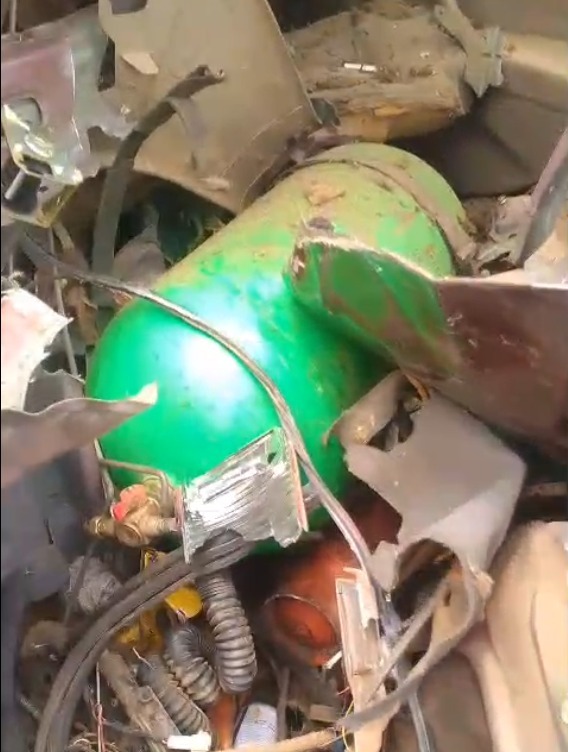

ABUJA — Nigeria’s Presidential Initiative on Compressed Natural Gas and Electric Vehicles (Pi-CNG & EV) has issued a stern warning against illegal vehicle conversions following a gas cylinder explosion at a filling station in the capital, Abuja.
The incident occurred on Sunday at a NIPCO station along Airport Road during refuelling. According to information provided by NIPCO, the vehicle had been fitted with a cylinder that was neither designed nor certified for compressed natural gas (CNG) storage. No fatalities or injuries were reported in the blast, the initiative confirmed. The driver of the vehicle was subsequently apprehended by law enforcement and is expected to face prosecution for using unauthorized equipment that endangered lives and property.
The agency reiterated that improvising with tanks meant for other gases or applications violates strict safety standards.”A cylinder is not a CNG cylinder simply because it can contain gas,” said Onyekachi Eke, Head of Brand and Communications for Pi-CNG & EV. “Cylinders designed for other purposes cannot be converted, adapted, or improvised for the storage of CNG. Doing so is against approved safety standards and poses a serious risk.”Nigerian authorities have been expanding the adoption of CNG as an alternative energy source for transportation following recent fuel subsidy reforms.
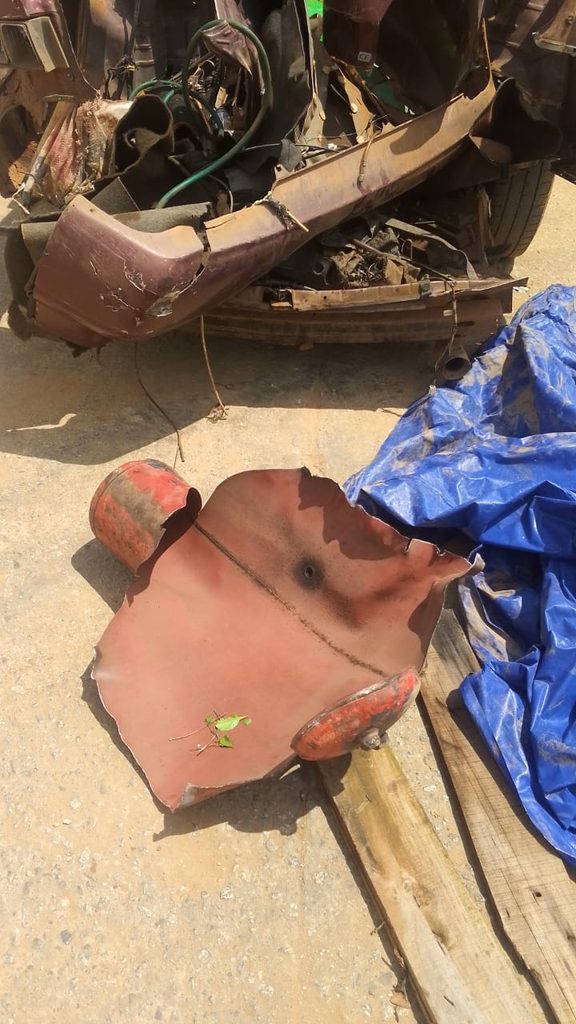
However, the rapid market expansion has heightened concerns over the proliferation of substandard components and unaccredited technicians offering low-cost conversions. Pi-CNG & EV urged vehicle operators to use only conversion centers accredited by the National Automotive Design and Development Council (NADDC) and kits certified by the Standards Organisation of Nigeria (SON).
Refuelling station operators licensed by the Nigerian Midstream and Downstream Petroleum Regulatory Authority (NMDPRA) have also been instructed to enforce strict verification procedures before dispensing gas.
Providing Historical Context
The blast comes just months after a similar CNG cylinder explosion in Kaduna State, which prompted government safety investigations and heightened public anxiety over the safety of alternative auto fuels.
Authorities fear that recurring incidents involving uncertified equipment threaten to derail Nigeria’s national push toward gas-powered transportation, underscoring systemic vulnerabilities in enforcement across the supply chain.




Add Comment