
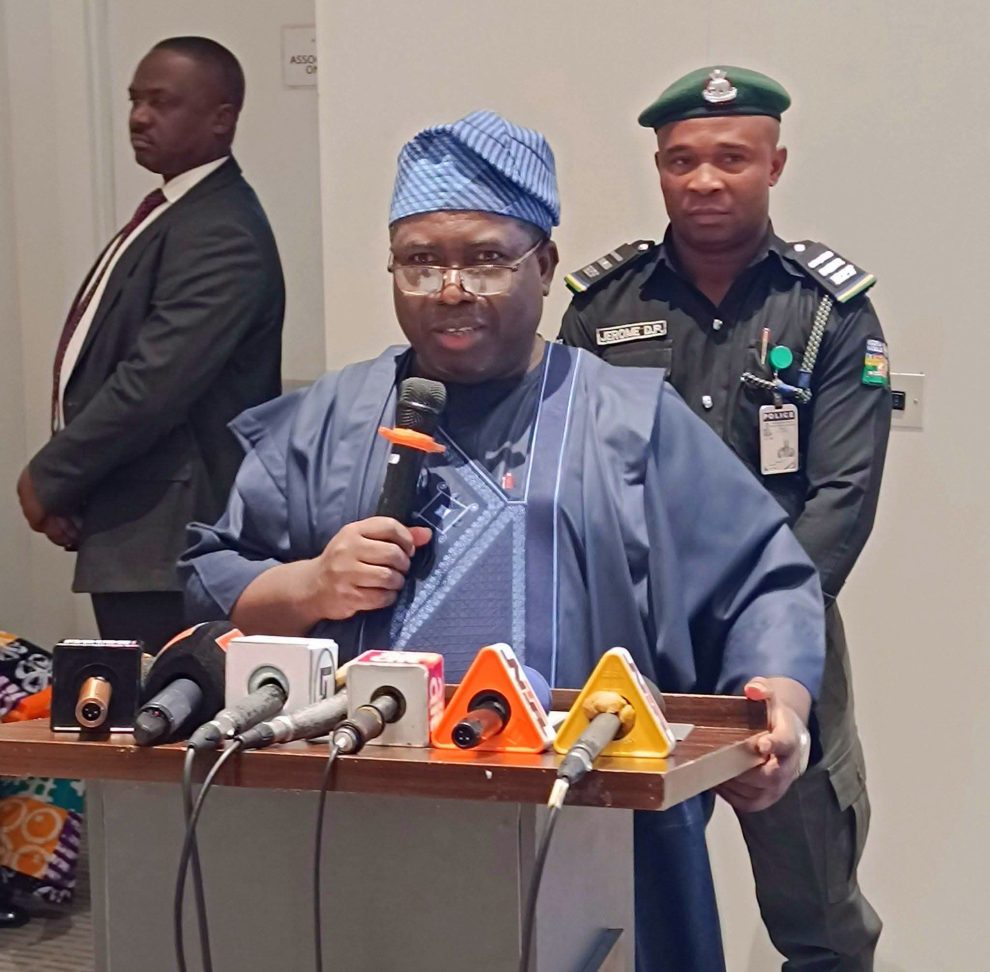

LAGOS, Nigeria — Nigeria’s election umpire, the Independent National Electoral Commission (INEC), has launched a major push to standardisze its operations across the country ahead of the 2027 general election, ordering senior state administrators to eliminate administrative gaps and adopt a single national playbook.
Opening a two-day operational retreat in Lagos on Monday, INEC Chairman Joash Amupitan directed Administrative Secretaries from all 36 states and the Federal Capital Territory (FCT) to enforce strict operational discipline, warning that fragmented practices across state lines would no longer be tolerated.”We can no longer afford fragmented interpretations of administrative duties or disjointed operational practices from state to state,” Amupitan said, framing the Lagos workshop as an operational “boot camp” designed to test institutional readiness well ahead of the polls. While Resident Electoral Commissioners (RECs) act as political and institutional leads in Nigeria’s states, Administrative Secretaries manage the daily operational machinery, overseeing civil servants, logistics, and supply chains that dictate whether polling units open on time on election day.
The directive comes as Nigeria’s voter register approaches the 100-million mark, presenting a massive logistical challenge in Africa’s most populous democracy.
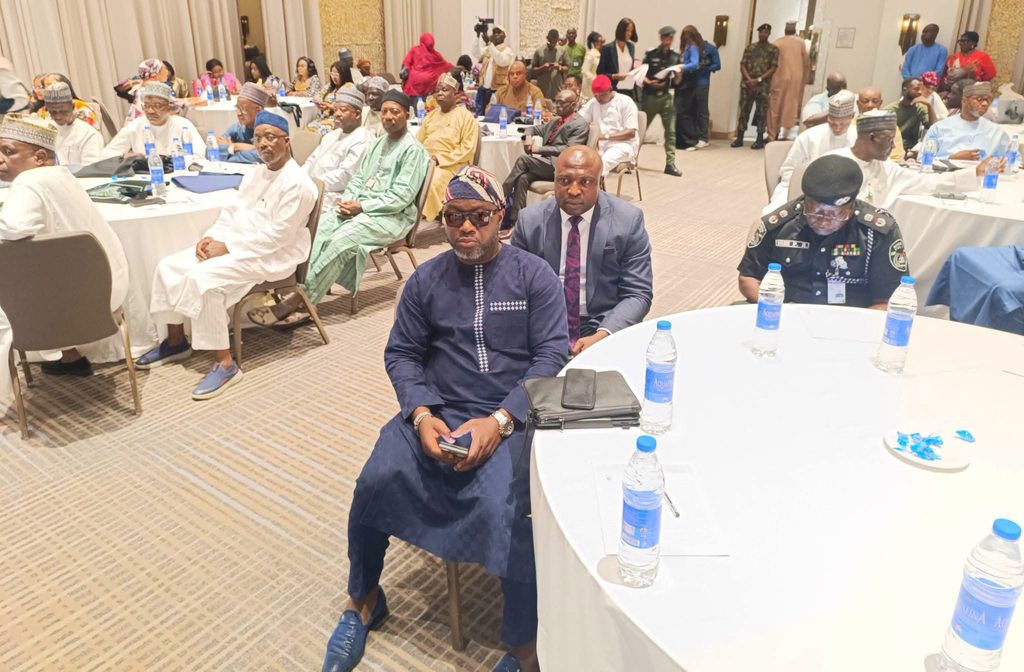
Scaling up Lessons
INEC says it wants to convert operational successes from recent off-cycle state governorship elections—notably in Osun State—into a baseline standard nationwide.
Prof. Amupitan noted that while controlled single-state elections proved that timely logistics and technology could deliver transparent results, scaling those models to a nationwide general election requires unified execution. The Commission outlined five priority areas to be stress-tested during the workshop:
Voter Registration & PVC Distribution: Expanding collection strategies to manage a register approaching 100 million voters.
Logistics & Material Management: Auditing the deployment and secure return of sensitive and non-sensitive materials.
Technology Mastery: Ensuring staff proficiency across field systems, including the Bimodal Voter Accreditation System (BVAS) and the INEC Result Viewing Portal (IReV).
Personnel Optimisation: Vetting and training ad-hoc polling staff.
Financial & Administrative Compliance: Enforcing procurement rules and administrative workflow automation.
Real-Time Oversight
To curb reactive crisis management, the Commission unveiled the “Administrative Secretary Master Operational Tracker”—a digital tool linked to INEC’s central dashboard in Abuja. The platform aims to provide headquarters and supervising commissioners real-time visibility into state-level preparations, tracking ad-hoc staff training and material distribution.
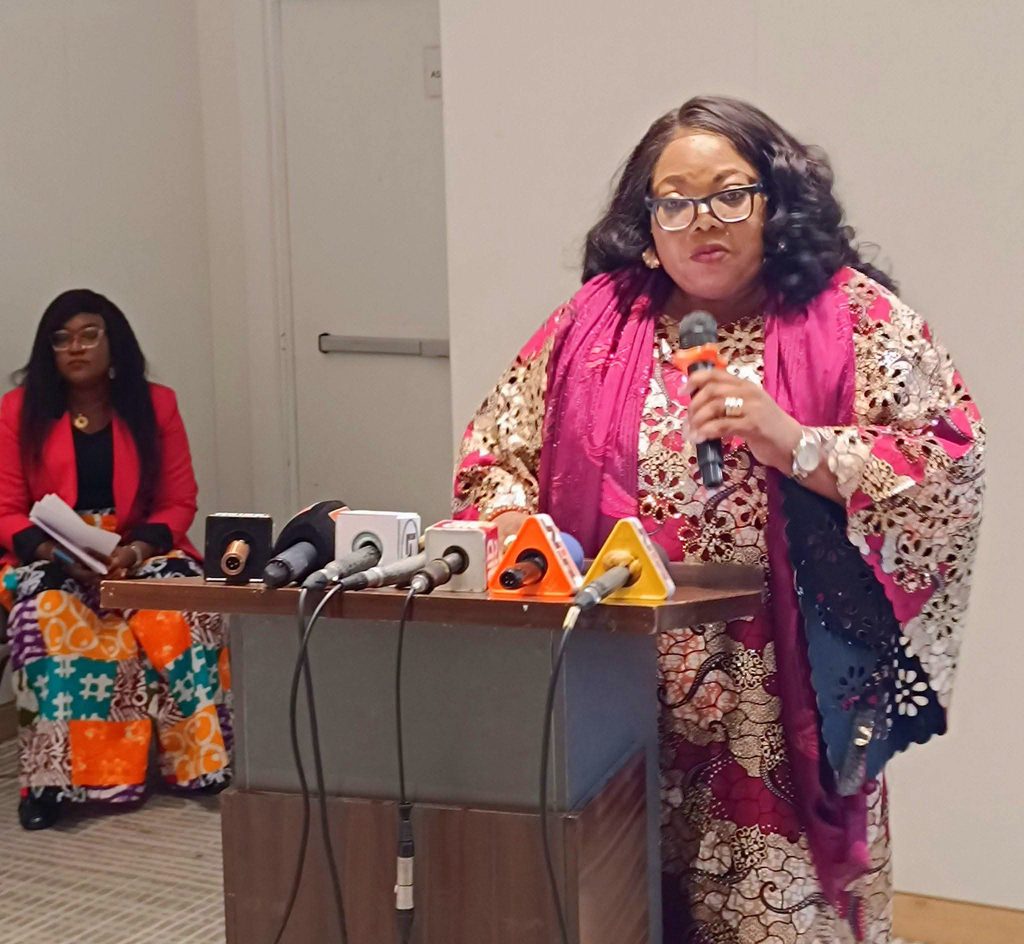
Addressing internal friction, the Secretary to the Commission, Rose Oriaran-Anthony, warned against working disputes between state Administrative Secretaries and Resident Electoral Commissioners, emphasizing that institutional disharmony would not be permitted to derail election preparations. Prof. Amupitan urged state administrators to establish a firm institutional culture, warning: “If you tolerate shortcuts, shortcuts will multiply. If you tolerate political interference, neutrality will deteriorate.”The operational retreat, supported by development partners including the European Union-funded DAI project, signals an early attempt by Nigeria’s electoral body to address lingering administrative and technical vulnerabilities ahead of the 2027 vote.


Add Comment