


Politicians from the West African regional bloc, ECOWAS, have warned that border enforcement alone will not stop irregular migration, calling instead for urgent economic investments to give young people a future at home.
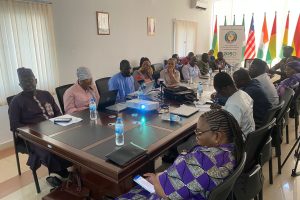
The warning follows a five-day parliamentary forum held in Banjul, the capital of The Gambia, where lawmakers met with local communities, survivors, and returnees to address the regional migration crisis and the threat of modern slavery.
Billay Tunkara, a member of the parliamentary mission, said sustainable solutions require listening to local communities and “creating opportunities that enable young people to choose hope, dignity and prosperity at home, rather than the risk of irregular migration.”
The drivers of migration
During the sessions, participants repeatedly pointed to a systemic lack of opportunities in West Africa as the primary factor forcing young people onto dangerous migration routes. Lawmakers identified several key drivers:
- Economic stagnation: High unemployment, underemployment, and low incomes leave young people believing that staying offers no realistic pathway to a prosperous future.
- Social media and peer pressure: Misleading online narratives and curated stories portraying migrants as instantly successful abroad create unrealistic expectations.
- Family expectations: In many cases, families actively fund these perilous journeys, mistakenly viewing them as a viable financial investment despite the known dangers.
The grim reality of human trafficking
The parliamentary group heard harrowing testimonies from survivors and returnees, who described their experiences as a lived reality marked by deception, exploitation, forced labour, detention, and severe psychological trauma.
However, MPs noted that these survivors could become powerful advocates for prevention, as their firsthand accounts are the most credible way to warn other young people in vulnerable communities.
A blueprint for action
The Ecowas delegation concluded that simply raising awareness about the dangers of irregular migration is no longer enough. They have urged member states to adopt a comprehensive strategy focusing on institutional overhaul and economic support:
- Job creation and finance: Governments must invest heavily in technology, vocational education, and modern agriculture while expanding access to affordable loans for young entrepreneurs and returnees.
- Tougher legal penalties: Lawmakers expressed deep concern over how profitable human smuggling remains compared to the relatively weak sanctions currently in place. They called for stricter legislation and better cross-border intelligence sharing to dismantle organized crime networks.
- Holistic reintegration: Returning migrants require comprehensive care, including psychosocial support, livelihood assistance, and protection from community stigma.
The parliament specifically urged the Gambian government to fast-track its pending immigration bill. It also recommended involving faith-based schools, traditional leaders, the media, and local sports platforms to counter misinformation and discourage families from financing illegal journeys.


Add Comment