

The Nigerian government has promised a sweeping overhaul of its correctional system following a “rigorous” investigation into allegations of corruption and human rights abuses behind bars.
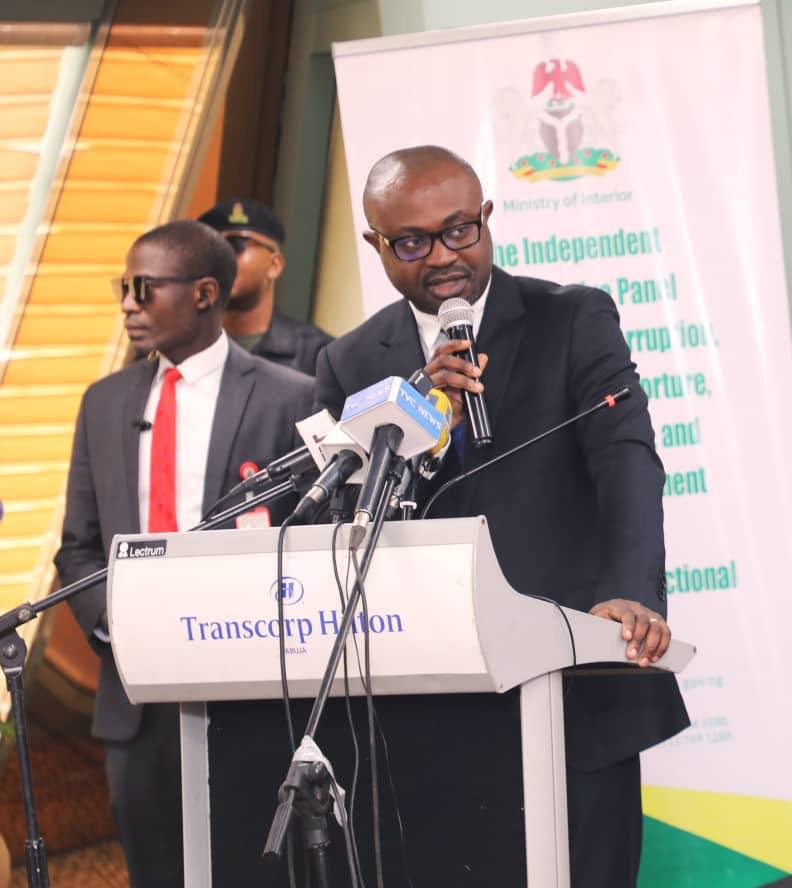
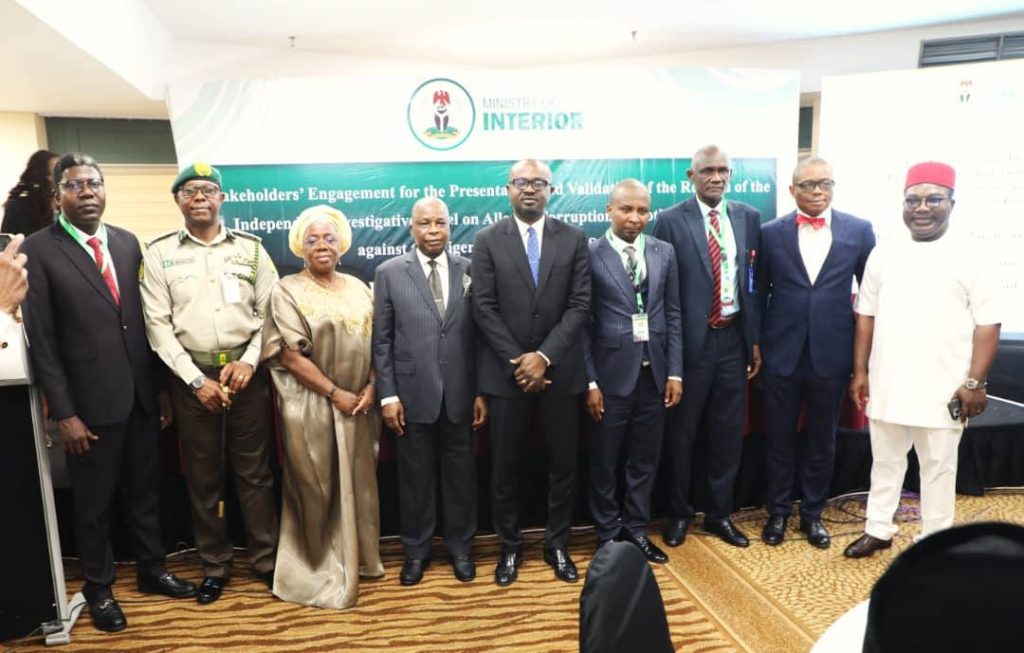
On Tuesday, the Ministry of Interior formally received the findings of an Independent Investigative Panel, which spent over a year scrutinizing the Nigerian Correctional Service. The probe was launched in November 2024 after a series of high-profile scandals involving claims of abuse of authority and systemic bribery within the nation’s prisons.
The Interior Minister, Olubunmi Tunji-Ojo, said the government had chosen to “confront the problem directly” rather than opt for a superficial review.
From punishment to reformation
The investigation’s findings—which have not yet been released in full to the public—highlight an “urgent need” to move away from a purely punitive system.
“Correctional facilities must evolve beyond custodial roles to become centres of reformation, rehabilitation, and reintegration,” the Minister told a gathering of security chiefs, civil society leaders, and UN representatives in Abuja.
Nigeria’s prisons have long been criticized by international monitors for:
- Severe overcrowding: Facilities often hold double or triple their intended capacity.
- Prolonged pre-trial detention: Thousands of inmates spend years in limbo without a court date.
- Inadequate welfare: Substandard living conditions for both inmates and staff.
A ‘milestone’ for accountability
The Attorney-General of the Federation, Lateef Fagbemi, described the report as a “milestone” in rebuilding public trust. He noted that while the 2019 Correctional Service Act was intended to modernize the system, implementation has been hampered by deep-seated institutional gaps.
Supporting the findings, the Nigerian Bar Association and UNICEF called for the report to act as a “catalyst for decisive action,” particularly regarding the protection of vulnerable groups and children held within the system.
Analysis: The ‘Renewed Hope’ test
For the administration of President Bola Tinubu, this report represents a high-stakes test of its “Renewed Hope” agenda. Reforming a massive, underfunded bureaucracy like the Correctional Service is a daunting task that requires significant fiscal investment at a time of national economic strain.
However, the Minister insisted that staff welfare and “institutional integrity” would be prioritized to ensure that the findings lead to lasting change rather than gathering dust on a shelf.
The government is now expected to review the panel’s specific recommendations, which include an expansion of non-custodial sentencing—such as community service—to immediately reduce the pressure on the country’s buckling prison walls.



Add Comment