

ABUJA — The head of Nigeria’s electoral umpire has warned that artificial intelligence and digital disinformation pose a direct threat to the integrity of the country’s upcoming general elections, calling for urgent institutional safeguards to protect the ballot.
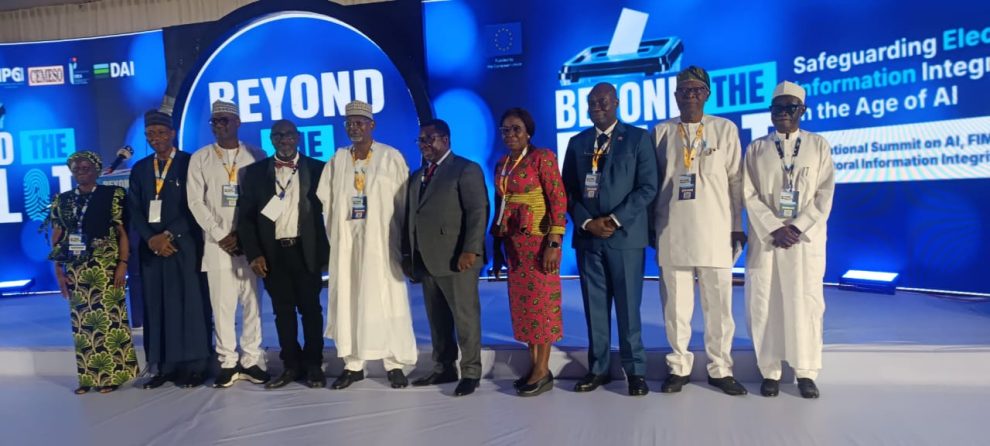
Speaking at the National Summit on Electoral Information Integrity in Abuja on Monday, Professor Joash Amupitan, Chairman of the Independent National Electoral Commission (INEC), said public awareness campaigns alone will not stop sophisticated online manipulation, deepfakes, and Foreign Information Manipulation and Interference (FIMI) ahead of the 16 January 2027 vote.”Today, elections can be undermined long before the first ballot is cast,” Prof. Amupitan told an international audience of diplomats, civil society leaders, and tech representatives. “The threat is no longer limited to physical interference at the polling unit… What Nigeria urgently requires is a trusted, coordinated, and rights-respecting operational ecosystem.”
The Shadow of Slovak Blackout
Highlighting the dangers of targeted deepfakes, the INEC chairman cited the 2023 Slovakian parliamentary elections, where a fake AI audio clip purporting to show a party leader discussing vote-buying circulated during a mandatory 48-hour campaign blackout, leaving authorities unable to issue timely debunkings. With Nigeria’s formal political campaigning set to end 24 hours prior to voting under the Electoral Act 2026, Prof. Amupitan warned that synthetic media drops timed during restricted windows could disenfranchise voters and trigger civil unrest if rapid response protocols are not in place. To counter these emerging threats, INEC unveiled a strategy focused on four key pillars:Pre-bunking and Verification: Shifting voter education from basic voting procedures to active verification, leveraging local languages and Pidgin English across platforms like WhatsApp to teach citizens how to spot synthetic content before it goes viral.
Technological Safeguards: Strengthening internal digital infrastructure against FIMI and partnering with global social media platforms—including expanding on existing partnerships such as an MoU with TikTok—to speed up incident escalation.
Rapid-Response Protocols: Establishing real-time debunking mechanisms capable of verifying facts within minutes of a viral drop, backed by direct communication channels between INEC and certified fact-checkers.
Inter-Agency Stress Testing: Institutionalising crisis simulations and joint tabletop exercises with media houses, security agencies, and telecommunications providers to test responses ahead of 2027.
Protecting Free Speech
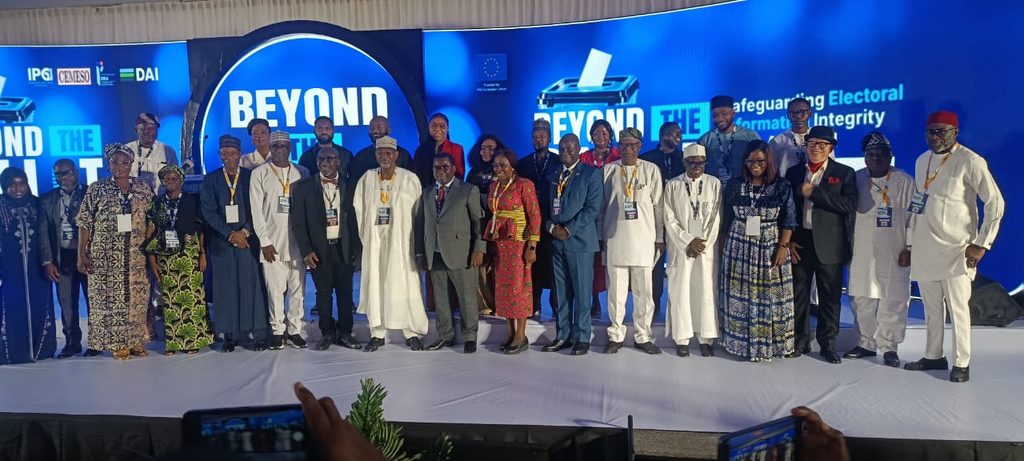
Addressing concerns over potential government overreach, Prof. Amupitan insisted that anti-disinformation measures would not be used as a cover for digital censorship or suppressing political dissent.”The legitimate threat of AI manipulation must never become a pretext for state overreach, digital censorship, or the suppression of political dissent,” he stated, adding that counter-measures would remain strictly rights-respecting, transparent, and proportionate. “The sole objective is to protect the authenticity of operational election information so that when a citizen makes a choice at the ballot box, that choice is based on genuine facts rather than engineered deception.”The summit, held under the EU Support to Democratic Governance in Nigeria (EU-SDGN III) framework, brings together electoral authorities, social media platforms, tech vendors, and civil society groups to formalise a joint commitment to electoral information integrity ahead of the 2027 polls.




Add Comment