
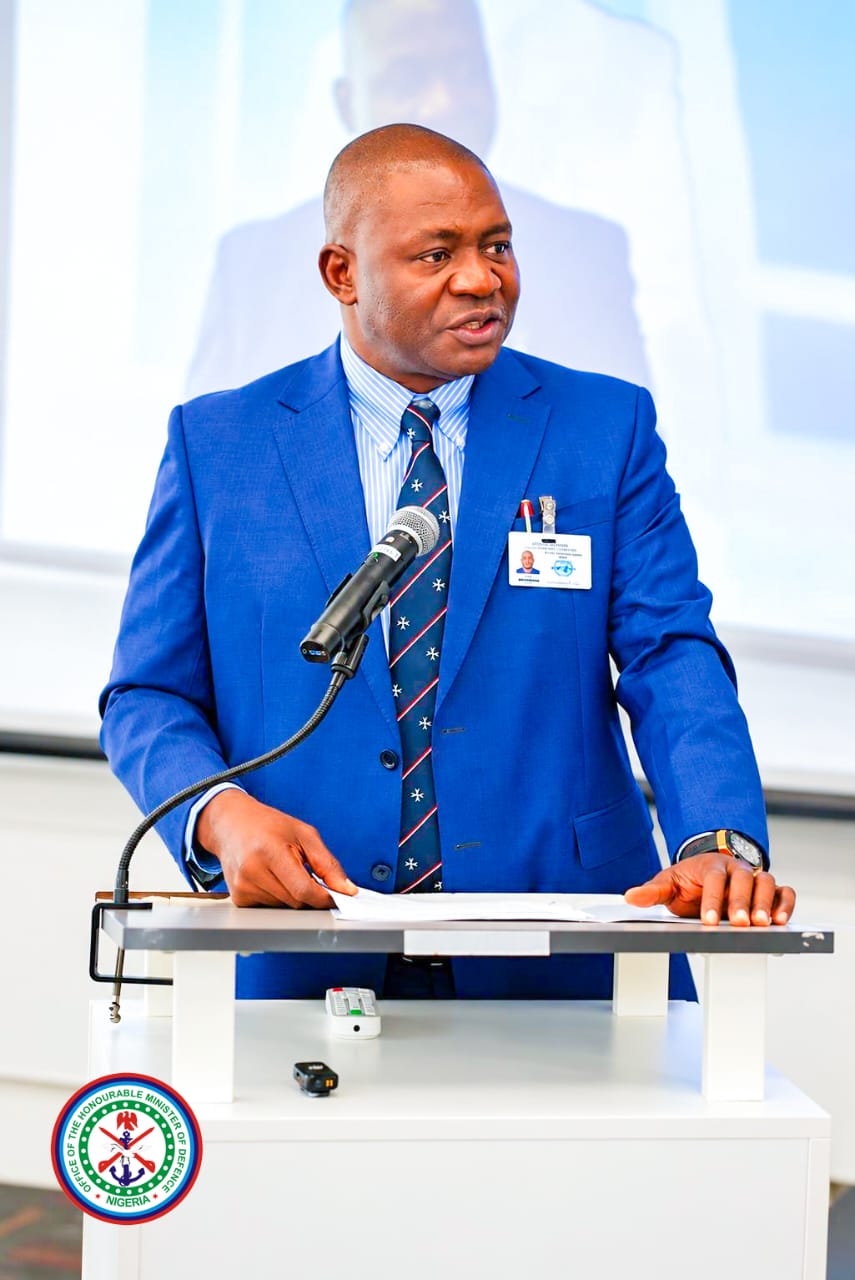

NEW YORK — Nigeria has called for deeper international cooperation to tackle its security challenges, outlining a comprehensive “whole-of-society” approach during a high-level meeting on the sidelines of the UN General Assembly in New York.
Addressing diplomats, security experts, and officials from the United Nations, African Union, and ECOWAS, Defence Minister General Christopher Gwabin Musa (Rtd) emphasised that the country’s security environment has regional and global implications.”Our recognition that we cannot address these challenges alone is not a statement of dependence; rather, it is an acknowledgement of the multidimensional character of modern security threats and the importance of collective action,” General Musa told the gathering.

Expanding capacity and tech capabilities
The minister detailed several key initiatives implemented under President Bola Ahmed Tinubu’s administration aimed at addressing terrorism, banditry, and regional instability:Force Expansion: Recruitment of 22,000 additional personnel into the Armed Forces and a reorganization of the Nigerian Army’s divisional structure.
Local Policing: Structural preparations for state police and dedicated forest guards to secure rural and border communities.
Unified Intelligence: The launch of a presidential initiative for integrated reconnaissance across government agencies to eliminate operational silos.
Domestic Production: Boosting self-reliance by strengthening the Defence Industries Corporation of Nigeria (DICON) to reduce dependence on foreign arms imports.
Surveillance Technology: Deployment of drone technology for real-time monitoring and improvised explosive device (IED) detection, alongside a national criminal database.
Regional stability and economic security
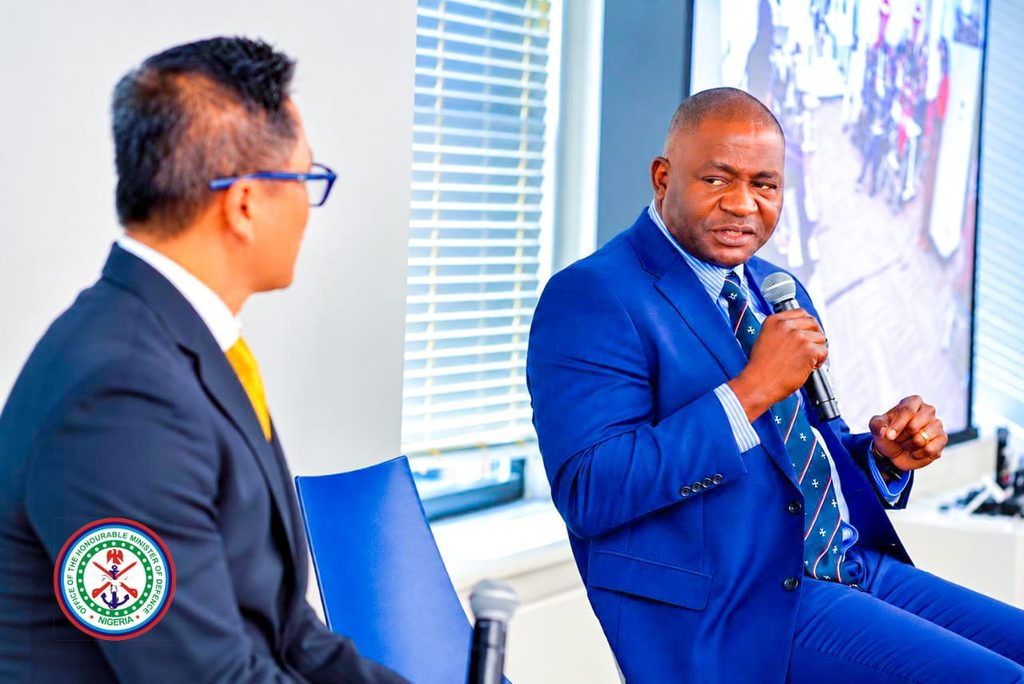
The event featured a panel discussion moderated by former UN Under-Secretary-General Prof. Ibrahim Gambari. Panelists focused on the broader socio-economic and technological aspects of national security.Former Multinational Joint Task Force (MNJTF) Commander Major General A.K. Ibrahim (Rtd) called for revitalising regional security coalitions and targeting terrorist financing networks. Former Central Bank Deputy Governor Dr. Kingsley Obiora proposed establishing designated economic zones in conflict-affected regions—drawing inspiration from models used in Colombia—to drive local business recovery.
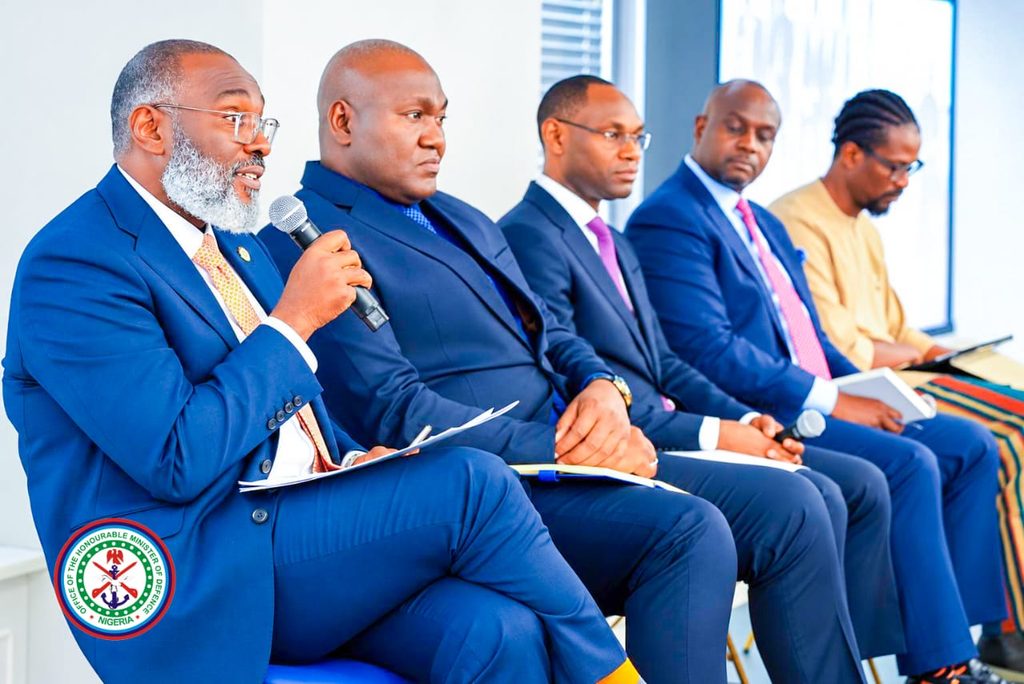
On cybersecurity and sovereignty, experts at the session warned against over-reliance on external technology. Mr. Omosigho Ozo-Eson stressed the necessity of safeguarding critical infrastructure while building indigenous cyber defence capabilities and AI frameworks tailored to African needs.
General Musa concluded the session by reaffirming Nigeria’s commitment to international partnerships while calling for African nations to take greater financial ownership of regional security frameworks.


Add Comment