
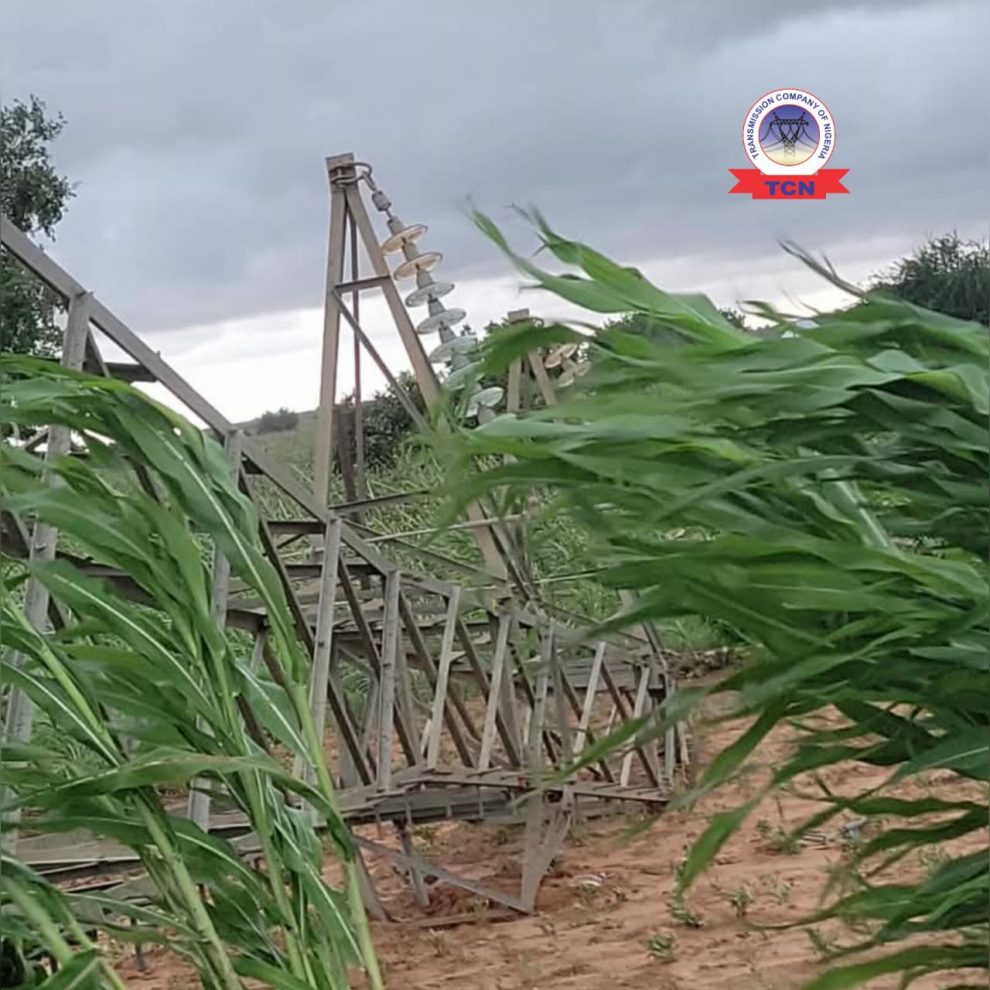

The Transmission Company of Nigeria (TCN) has declared Force Majeure on its 132kV Birnin Kebbi–Niamey transmission line following the collapse of three transmission towers caused by severe weather in Kebbi State.
According to an official press statement issued on Friday, 28 August 2026, the international transmission line tripped at 5:38 pm on 26 August. An immediate trial reclosure failed, prompting a physical patrol along the corridor.
Incident Details and Recovery Efforts
Engineering teams dispatched to inspect the route discovered structural damage along the border corridor:
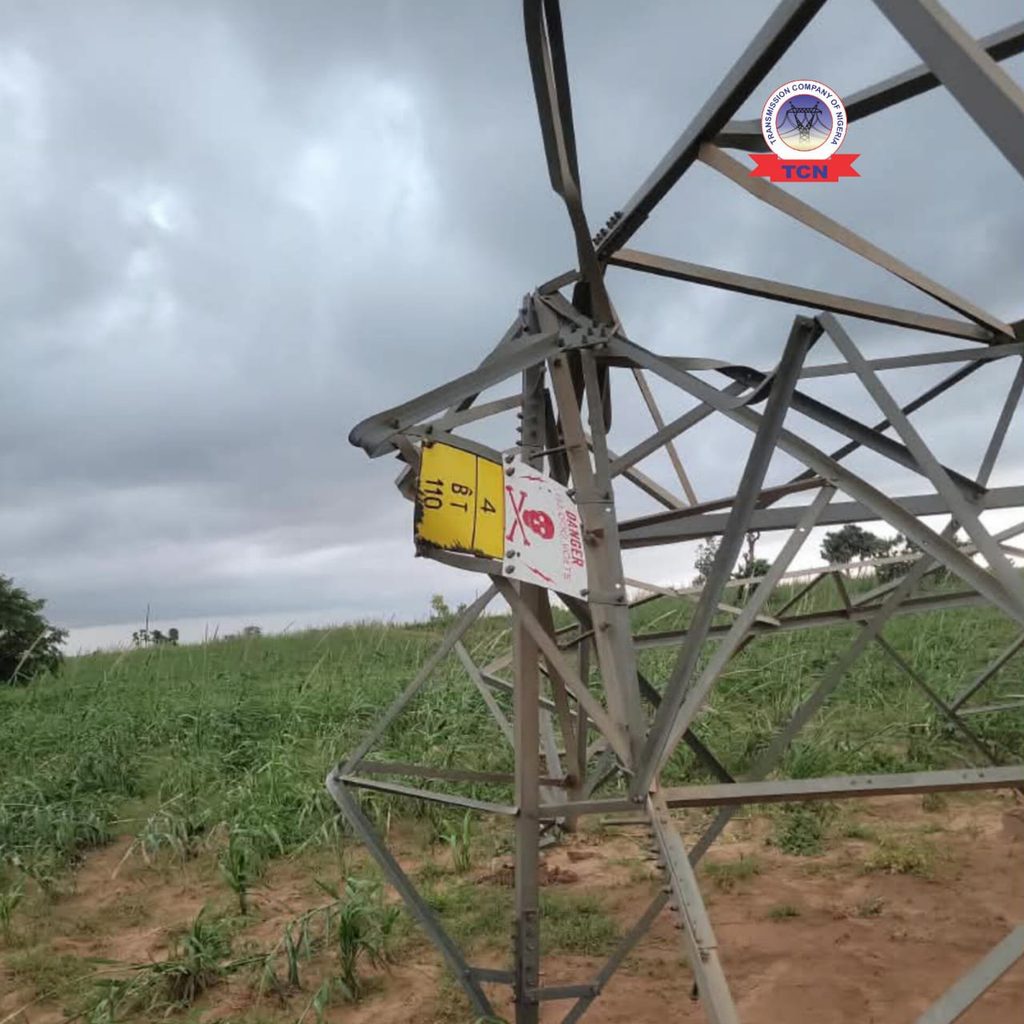
- Tower Collapses: Towers T109, T110, and T111 collapsed near Chibike village following heavy rainfall and high winds in the area.
- Supply Interruption: The collapse completely severed bulk power transmission supplied via that line to Niamey, the capital of neighboring Niger Republic.
- Emergency Mobilization: TCN confirmed that specialized personnel and equipment have been deployed to the site to clear the debris, rebuild the collapsed infrastructure, and restore international supply.
Strategic Implications for Both Parties
- For Niger Republic (NIGELEC): The outage severely compromises grid stability in Niamey and surrounding areas that rely heavily on imported Nigerian electricity. It forces local energy authorities to depend on expensive emergency thermal generation or implement widespread load shedding, impacting commercial activity and public services.
- For Nigeria (TCN & Federal Government): Declaring Force Majeure legally protects TCN from contractual penalties or breach-of-contract liabilities for failing to deliver agreed bulk power under international bilateral energy agreements. However, it temporarily halts export revenue from cross-border power sales until repairs are completed.
With emergency reconstruction now underway along the Chibike corridor, the immediate test will be how quickly engineering teams can restore structural integrity and reconnect one of West Africa’s key cross-border power links.




Add Comment